


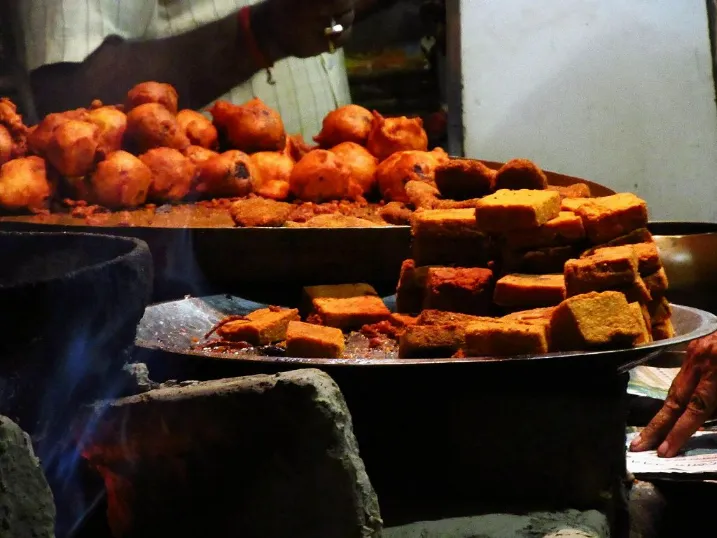
A new twist on a classic dish appearing on Kolkata’s streets is drawing attention to the city’s evolving food culture, where global culinary influences are being adapted into local contexts.
The emergence of a soft-style omelette, inspired by international techniques yet rooted in street food traditions, reflects how urban food ecosystems are continuously reshaped by cultural exchange and consumer demand.Street vendors, long considered the backbone of Kolkata’s informal food economy, are experimenting with preparation styles and presentation to attract a diverse customer base. This blending of global inspiration with local affordability demonstrates the adaptability of small-scale food enterprises in a competitive urban environment.The rise of such offerings within the Kolkata street food evolution highlights broader shifts in consumption patterns. Urban residents, particularly younger demographics, are increasingly open to trying new flavours and formats, encouraging vendors to innovate while maintaining price accessibility. This dynamic is contributing to a more diverse and vibrant food landscape.From an economic perspective, the transformation of street food reflects resilience within the informal sector.Vendors often operate with limited resources but respond quickly to changing preferences, making them key participants in the city’s micro-economy. Innovations in menu offerings can drive higher footfall and income, supporting livelihoods across supply chains.
The Kolkata street food evolution also intersects with urban identity. Food has long been central to the city’s cultural narrative, and the integration of global influences reinforces its reputation as a culinary melting pot. At the same time, it raises questions about how traditional practices are preserved amid rapid change.Urban planners and public health experts note that the expansion of street food diversity requires attention to hygiene, regulation, and infrastructure. Ensuring access to clean water, waste management systems, and designated vending zones can help support both safety and sustainability in this sector.There are environmental considerations as well.Increased demand for diverse food offerings can lead to higher resource use and waste generation, particularly in packaging.Encouraging sustainable practices among vendors—such as reusable materials and efficient cooking methods—can mitigate these impacts.The trend also reflects the role of cities as hubs of cultural exchange. Migration, tourism, and digital exposure contribute to the flow of ideas, influencing how food is prepared and consumed. In Kolkata, this exchange is visible not only in restaurants but also in everyday street-level interactions.
As the city’s food scene continues to evolve, the balance between innovation and tradition will remain a defining factor. Supporting the informal food sector while promoting sustainability and public health will be key to ensuring that this culinary transformation benefits both vendors and consumers.In the broader context of urban development, the changing face of street food illustrates how cultural and economic systems intersect—shaping not just what people eat, but how cities express their identity and adapt to global influences.
Also Read:Kolkata Roadside Parking Issues Reduce Carriageway Space
