


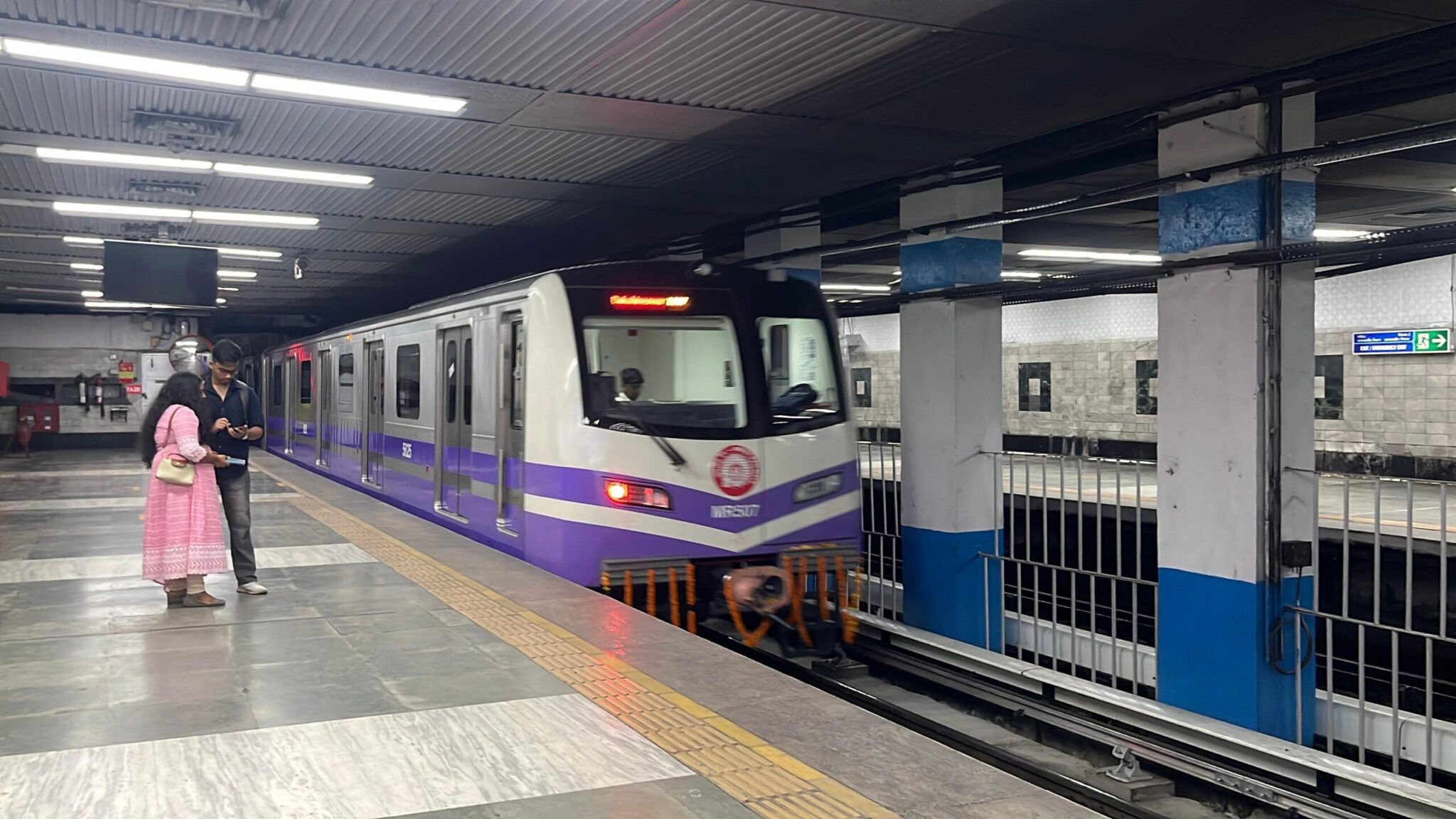
A new research collaboration between Kolkata Metro and Indian Institute of Technology Madras is set to explore advanced technologies aimed at improving rail system performance and safety. The partnership reflects a growing emphasis on innovation-led upgrades within India’s urban transit networks, where efficiency and sustainability are becoming central priorities.
The initiative, framed around Kolkata Metro IIT Madras collaboration, is expected to focus on areas such as track maintenance, vibration monitoring, and predictive diagnostics. By leveraging academic research and engineering expertise, the project aims to address operational challenges that affect reliability and long-term asset management in metro systems.Urban mobility specialists note that such collaborations are increasingly vital as cities expand their rail infrastructure. With rising passenger volumes and network complexity, traditional maintenance approaches may not be sufficient. Integrating data-driven solutions can help transit agencies anticipate issues before they escalate, reducing downtime and improving commuter experience.The Kolkata Metro IIT Madras collaboration also signals a shift towards indigenous innovation in public transport. Rather than relying solely on imported technologies, partnerships with domestic research institutions can support context-specific solutions tailored to local conditions. This approach not only enhances system efficiency but also contributes to building technical capabilities within the country.From a sustainability perspective, optimising rail operations has broader environmental benefits.
Efficient metro systems can reduce energy consumption, minimise wear and tear on infrastructure, and encourage greater public transport usage. This, in turn, supports efforts to lower urban emissions by shifting commuters away from private vehicles.The collaboration is also likely to have economic implications. Research-driven improvements can extend the lifespan of infrastructure, reduce maintenance costs, and improve service reliability—all of which are critical for financially sustainable transit operations.Additionally, such initiatives create opportunities for skill development and knowledge transfer, strengthening the urban transport ecosystem.However, experts caution that the success of the Kolkata Metro IIT Madras collaboration will depend on effective implementation. Translating research outcomes into practical applications requires coordination between engineers, operators, and policymakers.Ensuring that innovations are scalable and adaptable across different sections of the network will be key to achieving long-term impact.There is also a need to integrate technological advancements with user-centric planning. While backend improvements enhance system performance, commuter-facing aspects such as accessibility, safety, and comfort must remain a priority. A balanced approach can ensure that technological progress translates into tangible benefits for daily passengers.As Indian cities continue to invest in metro expansion, collaborations like this highlight the role of research and innovation in shaping the future of urban mobility.
For Kolkata, the initiative represents an opportunity to modernise its transit system while aligning with broader goals of sustainability and efficiency.The coming years will determine how effectively such partnerships can transform public transport, setting benchmarks for other cities seeking to build resilient and technologically advanced mobility networks.
Also Read:Kolkata Rain Forecast Raises Urban Flooding Concerns
