


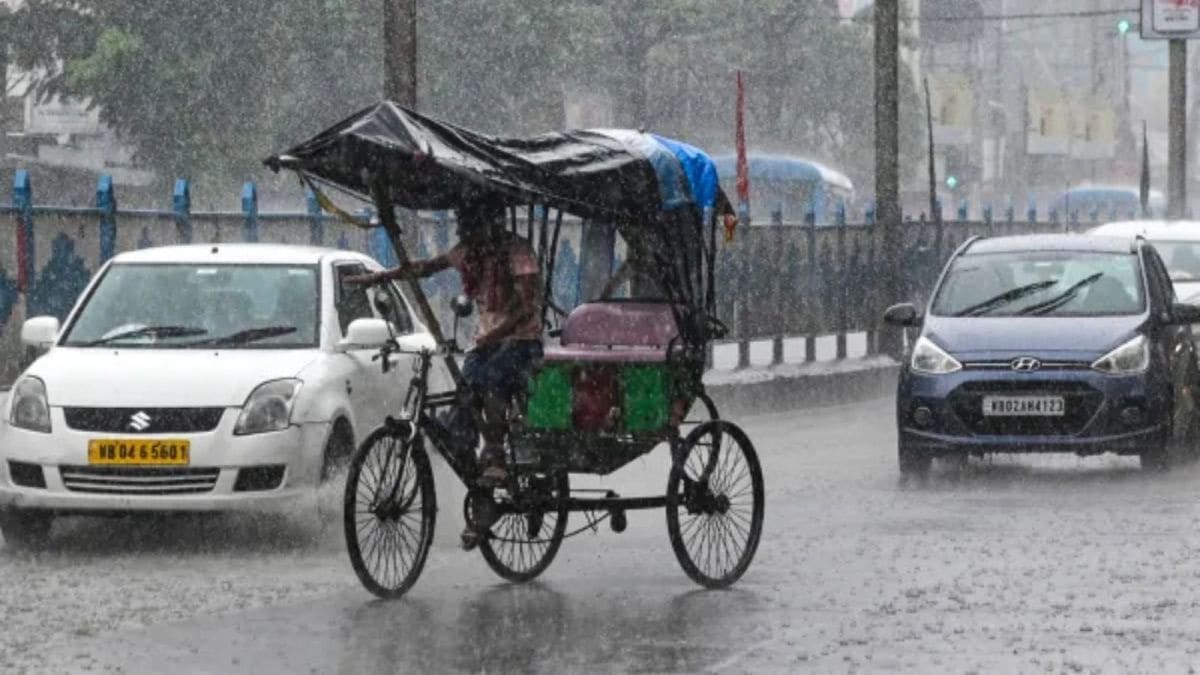
Kolkata is preparing for a fresh round of intense pre-monsoon storms, with forecasts pointing to heavy rainfall and strong winds linked to the region’s recurring Kalbaisakhi weather pattern. The alert has renewed focus on how India’s eastern metros are coping with increasingly erratic climate conditions and the strain they place on urban systems.
Weather assessments indicate that rising temperatures combined with moisture inflow from the Bay of Bengal are likely to trigger thunderstorms across Kolkata and adjoining districts. These episodes, commonly referred to as Kalbaisakhi weather, are known for their sudden onset and high intensity, often disrupting daily life within a matter of hours.For Kolkata, the immediate concern remains waterlogging and transport disruption. The city’s ageing drainage infrastructure continues to face pressure during short-duration, high-volume rainfall events. Key arterial roads and low-lying neighbourhoods are especially vulnerable, leading to traffic congestion, delays in public transport, and reduced accessibility for emergency services.Urban planners highlight that such challenges are not new, but their frequency is rising. The Kalbaisakhi weather cycle, once considered a predictable seasonal feature, is now exhibiting greater variability in intensity and timing. This shift is increasingly being linked to broader climate trends, including warming sea surface temperatures and altered atmospheric circulation patterns.
Civic agencies typically initiate precautionary measures, such as clearing drainage channels, monitoring flood-prone zones, and deploying rapid response teams. However, experts argue that these responses remain largely reactive. A senior infrastructure analyst notes that Kolkata’s long-term resilience depends on systemic upgrades, including modern stormwater management systems and better integration of climate data into city planning.The economic impact of such disruptions is also significant. Daily wage earners, street vendors, and small enterprises often bear the brunt of sudden weather events, as mobility restrictions and power interruptions affect income flows. In high-density urban pockets, even brief storms can interrupt supply chains and essential services, underlining the interconnected nature of city economies.At the same time, environmental experts are calling for a shift towards nature-based solutions. Restoring wetlands around Kolkata, increasing urban green cover, and promoting permeable surfaces could help absorb excess rainwater and reduce runoff. These interventions not only address immediate flooding risks but also contribute to long-term sustainability goals.
As Kolkata moves closer to the monsoon season, the recurrence of Kalbaisakhi weather highlights a critical urban challenge: adapting infrastructure to a changing climate. While short-term preparedness remains essential, the larger task lies in rethinking how cities grow and function under increasingly unpredictable weather patterns. Strengthening resilience today will determine how effectively Kolkata can manage future climate shocks.
Also Read:
Kolkata Storm Alerts Raise Urban Resilience Concerns
