


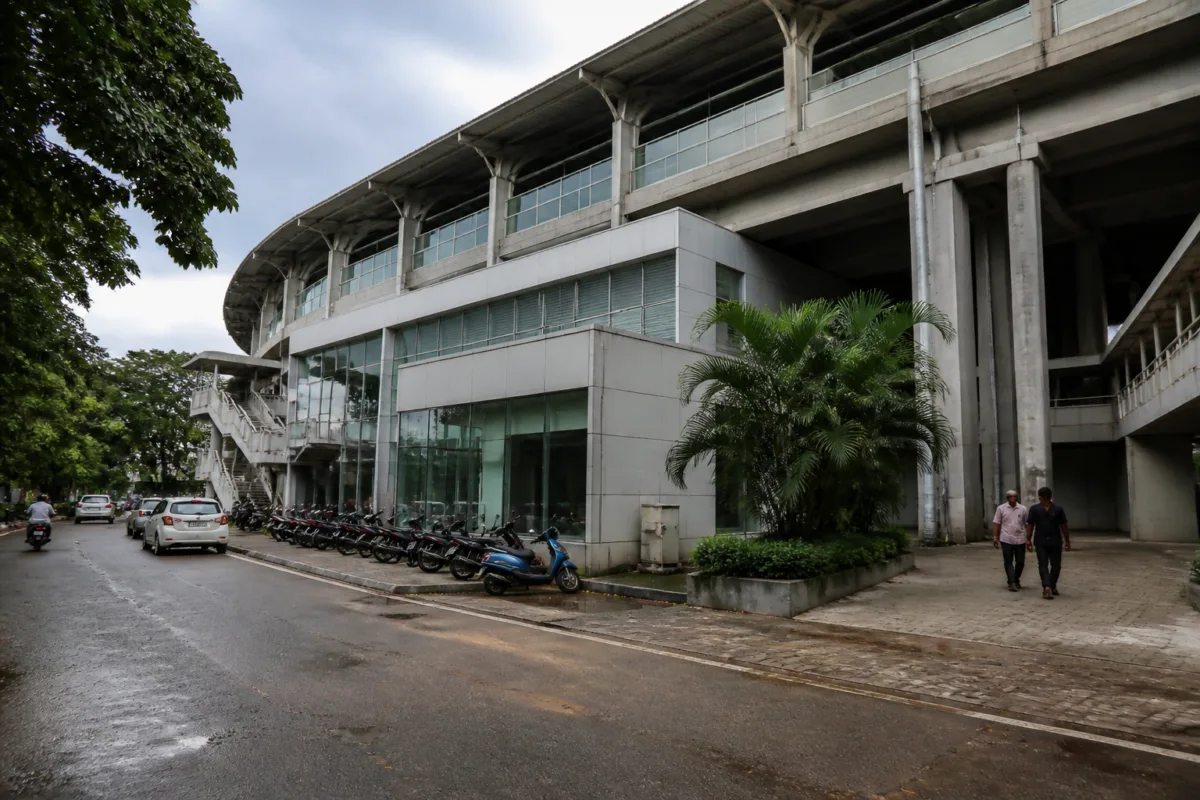
Kochi’s Integrated Command, Control and Communication Centre (IC4), developed at a reported cost of about Rs 70 crore to coordinate urban services, has stopped functioning after its maintenance contract ended, according to a report by Malayala Manorama. The centre has reportedly been inactive since early 2026, while its future remains under discussion with the government.
The IC4 operates from the building of the Jawaharlal Nehru Stadium metro station at Kaloor. Kochin Smart Mission Limited (CSML), the special purpose vehicle established to implement the Smart City programme for the Kochi Municipal Corporation, led the project. The report said rent for the facility has already been paid to Kochi Metro Rail Limited for another two years.
The shutdown highlights the operational challenge facing large urban command centres after their initial project and maintenance periods end. Such facilities depend not only on control-room equipment, but also on functioning field systems, departmental coordination, software support and sustained funding for repairs and upgrades.
Kochi Mayor V.K. Minimol said the city had not received any benefit from the project and that taking over the facility would not be practical. A corporation-appointed team that recently visited the centre was reportedly told by CSML officials that permission from higher authorities was required. The mayor also said that restoring the equipment for possible use in a digital twin project could require at least Rs 15 crore, making municipal operation difficult. According to her, the equipment would no longer provide useful value.
CSML has disputed this assessment. Its officials said the IC4 operated effectively for five years and served as a control room during the Covid-19 period and the monsoon season. They also said the system’s ability to retain camera footage for up to six months had helped the police in several cases.
The contrasting accounts point to an unresolved question over how the project’s performance should be assessed. The IC4 was presented as a single platform for monitoring and coordinating traffic, public safety, disaster response, water and electricity networks, street lighting, municipal services, environmental conditions, parking, kiosks, solid-waste and wastewater systems. An integrated traffic management system and city Wi-Fi were also among the proposed components.
The Manorama report said several of these promised functions did not materialise. CSML, however, said that the planned systems had been delivered and that failures in some areas were the responsibility of the respective departments. The report does not provide an independent audit or a detailed project-performance assessment to resolve these competing claims.
The immediate issue is therefore not only whether the control centre can be restarted, but also who is responsible for its assets, maintenance and continued use. CSML said it had sought the government’s view on future operations. Until a documented decision is made on the centre’s technical condition, contractual obligations, departmental integration and funding, the city faces the prospect of a costly urban technology asset remaining unused while questions over its promised public benefits remain unanswered.

