


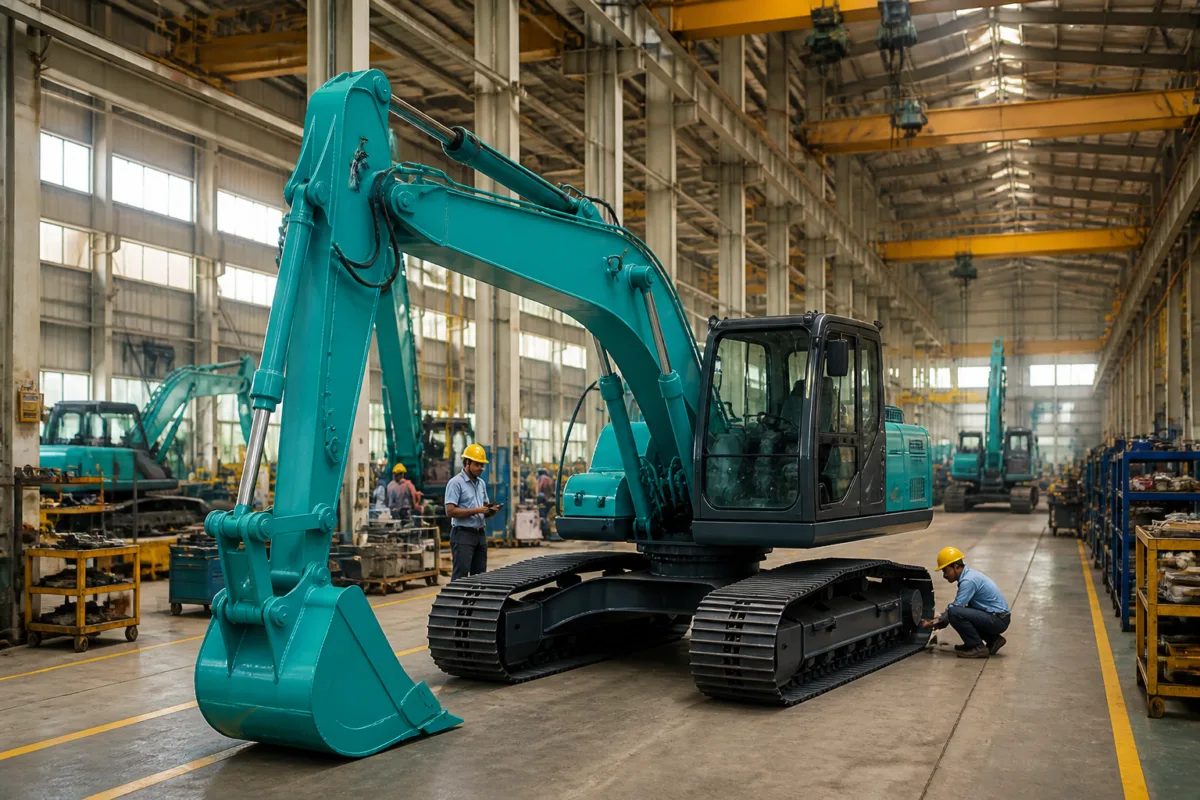
Kobelco Construction Equipment India (KCEI) has launched three hydraulic excavator variants as it expects India’s non-mini excavator market to grow by about 3 per cent this year, supported by infrastructure spending by State governments on urban development, irrigation and rural roads.
The new machines fall in the 19.1-24-tonne category and have been manufactured at Kobelco’s facility in Sri City, Andhra Pradesh. The company said the range is aimed at mining operators, major road contractors, smaller contractors and equipment rental companies.
Moses Eddy, Director, KCEI, told businessline that India’s hydraulic excavator market, excluding mini excavators, is expected to rise from about 31,000 units last year to between 32,000 and 33,000 units this year. He said the growth outlook remained positive despite a slowdown in the execution of National Highways Authority of India projects.
According to the company, demand from State-led urban development, irrigation and rural road programmes is helping offset the slowdown in some national highway projects. KCEI is also looking to expand its presence in parts of Jharkhand and Maharashtra, where smaller contractors and equipment rental businesses are seeking more economical machines.
The launch comes as the Sri City plant moves towards higher utilisation. The facility has an annual production capacity of 3,500 machines and has manufactured more than 20,000 units for domestic and export markets across more than 16 countries. KCEI currently produces around 2,800-2,900 machines annually and expects to reach full capacity in about two years, depending on market acceptance and export demand.
Kobelco has invested around ₹900 crore in the Sri City facility since 2011. Exports account for roughly one-third of the company’s volumes, with the Middle East, Africa and neighbouring countries among its target markets. The company said geopolitical uncertainties and shipping constraints could affect export activity.
The new excavators also have a higher level of localisation. Local content has increased from 48 per cent to 68 per cent, primarily because the new models use a locally sourced Cummins engine instead of the Hino engine used earlier. The shift is part of the company’s effort to deepen domestic sourcing while serving both Indian and export markets from its Andhra Pradesh base.
KCEI reported turnover of more than ₹2,000 crore last year and expects revenue to rise to between ₹2,400 crore and ₹2,500 crore this year, Eddy said. Jun Hayama, Managing Director, KCEI, said the launch coincides with the company completing two decades of manufacturing and engineering operations in India.
Eddy also expects changes in government tender norms and quality standards to improve infrastructure project execution in the coming months. The comments place equipment demand within a wider implementation chain in which the availability, cost and specification of construction machinery can affect the ability of contractors to execute road, irrigation and urban infrastructure works.
On competition, Eddy said Chinese manufacturers had expanded overseas sales partly because of excess capacity created by the slowdown in China’s real estate market. Their share of the Indian market, which had risen to around 40 per cent, has since declined to about 33-34 per cent, he said. KCEI’s next capacity milestone will depend on market acceptance of the new models and export demand over the next two years.

