


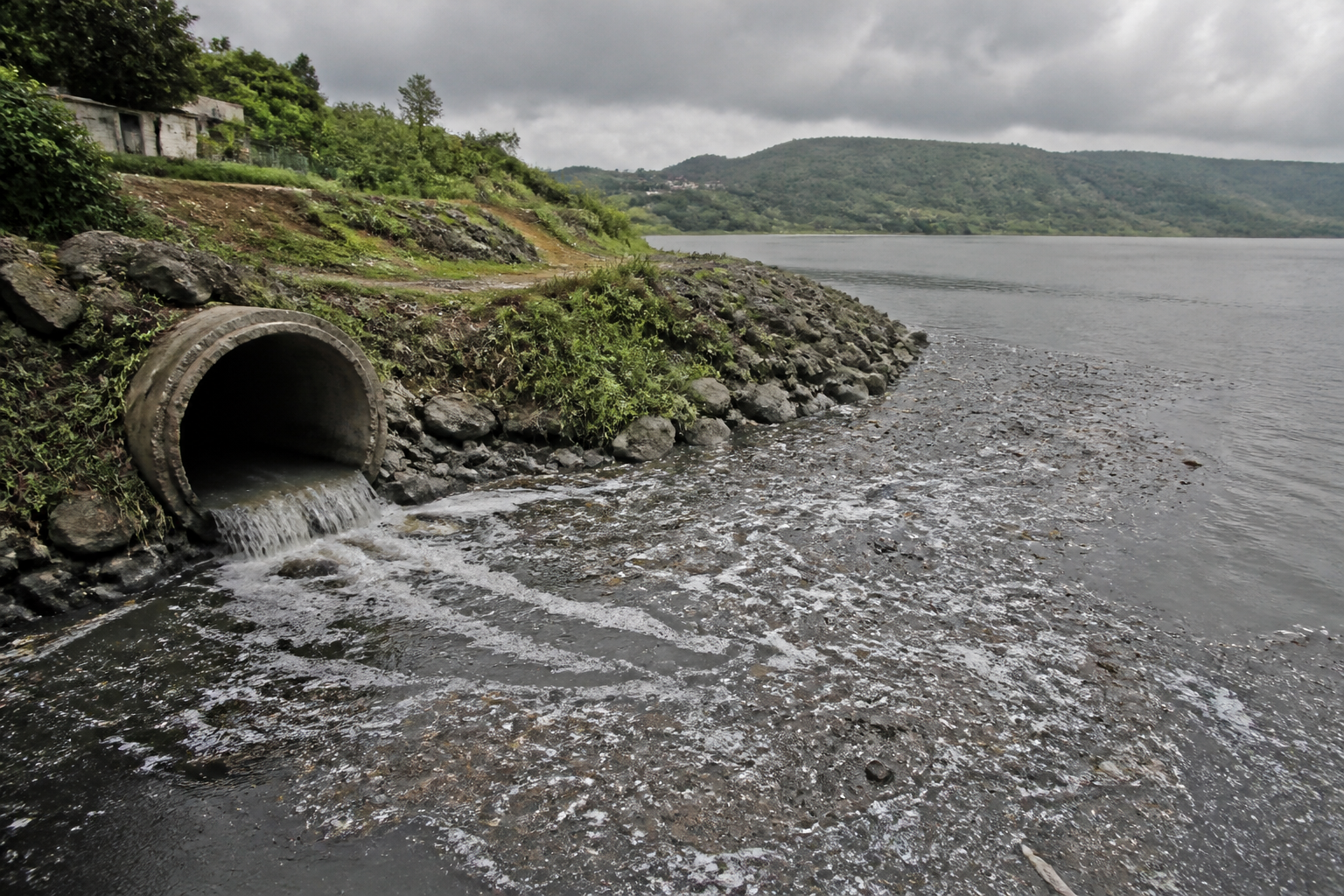
An allegation that untreated sewage from hotels, restaurants and other commercial establishments is entering the Khadakwasla reservoir system has put Pune’s drinking-water security under scrutiny, with Nationalist Congress Party corporator Amol Balwadkar demanding immediate inspection and action by the Pune Municipal Corporation.
Balwadkar alleged that contaminated wastewater is being released into water sources connected to the Khadakwasla dam from parts of Gore Budruk, Gore Khurd, the Sinhagad foothills, Khanapur, Mandvi and Kudje. According to the report, he also presented a drone video that purportedly shows water from a drain mixing with the reservoir’s water storage.
The report did not include an independent inspection finding or a response from the Pune Municipal Corporation. The pollution claim has therefore been attributed to Balwadkar, rather than treated as an established finding. He said untreated sewage entering the reservoir could affect the health of residents who depend on the Khadakwasla water system.
The issue is significant because Khadakwasla is linked to Pune’s drinking-water supply. Any contamination in the catchment or at connected water sources creates a need to establish the exact discharge point, identify the establishments responsible and determine whether the material entering the water system is untreated sewage. The report, however, does not provide water-quality test results, the volume of discharge or details of any confirmed health impact.
Balwadkar called for the civic administration to conduct an immediate inspection and impose punitive and legal action against establishments found releasing untreated wastewater. He also demanded regular patrolling around the dam area to identify how and where sewage is being discharged.
The report identified hotels, restaurants and other commercial establishments in villages around the reservoir as possible sources of the discharge. It said such establishments should be required to install sewage treatment plants and ensure that only treated water meeting prescribed standards is released. No details were provided on the number of establishments inspected, existing treatment capacity or compliance levels in the affected villages.
The report also placed the problem in the context of local infrastructure. It said village residents should not be held solely responsible for the pollution and that gram panchayats in the Khadakwasla area require adequate sewage-management systems. Funding from the municipal corporation or the state government was sought for sewage-treatment plants and related infrastructure.
That distinction is important for the response: enforcement against individual polluters may address specific discharges, but the wider problem also involves sewage collection, treatment capacity, monitoring and the division of responsibility between commercial establishments, gram panchayats, the municipal corporation and the state government. The report did not state whether a coordinated inspection or funding programme has been announced.
The immediate demand is for the Pune Municipal Corporation to verify the alleged discharge, test the water and take action where violations are established. The next significant development will be an official inspection or response clarifying whether untreated sewage is entering the Khadakwasla water system and what remedial measures will follow.

