


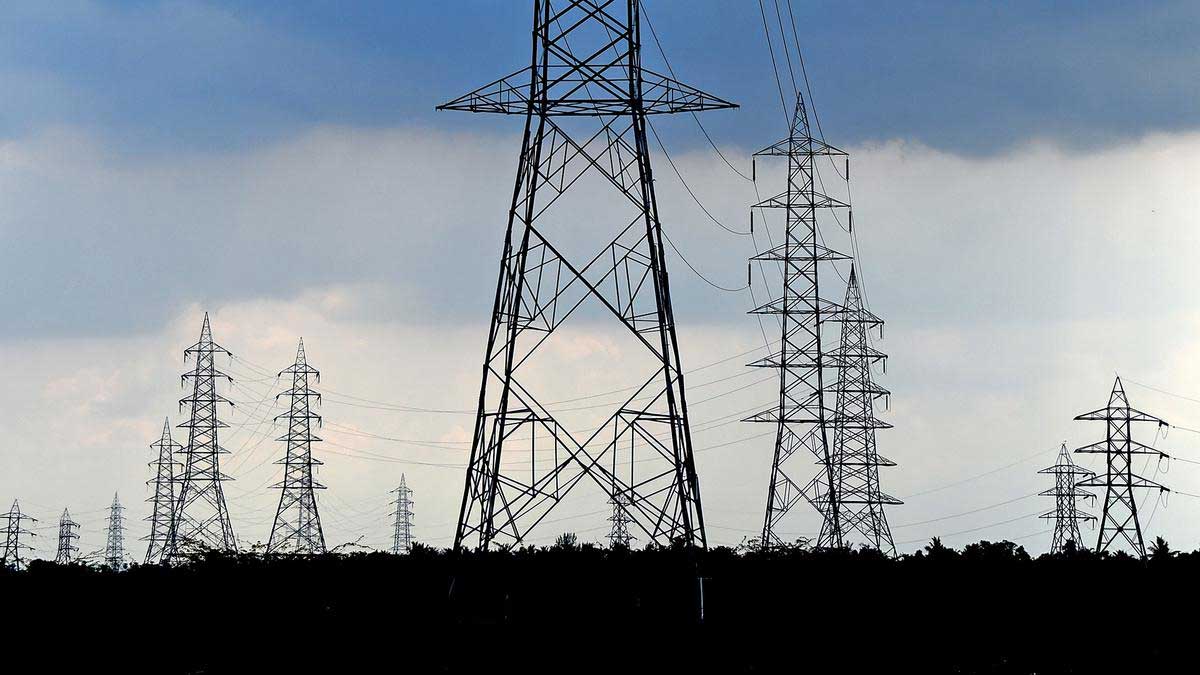
Kerala is seeking additional electricity from NTPC and other sources as rising consumption and supply constraints trigger power outages, with Electricity Minister Sunny Joseph warning that procurement at rates as high as Rs 30 per unit would place an additional financial burden on the state government.
Joseph said the government was trying to secure electricity at the lowest possible rates and was in talks with the Centre-run National Thermal Power Corporation, or NTPC, as one of the main options for meeting the shortfall. The Kerala State Electricity Board has also decided to approach the state government for permission to procure additional power at higher prices.
The minister said the state was taking legal measures to reestablish a long-term power purchase agreement signed with private power companies during the previous United Democratic Front administration. The agreement was later scrapped by the Left Democratic Front government.
According to Joseph, the agreement would have made around 440 megawatts of power available to Kerala at Rs 4.2 per unit. He described its cancellation as a wrong decision and claimed that the current electricity crisis could have been avoided if that supply had remained available.
Joseph said Kerala had been forced to borrow electricity during March and April because the contracted supply was unavailable. The state is now required to return that borrowed power, adding to the pressure on the Kerala State Electricity Board as it attempts to manage current demand.
The immediate pressure on the system has been linked to a sharp increase in electricity consumption and difficulties in procuring additional power from other states. Kerala has been experiencing outages, particularly at night, as demand rises. Joseph said higher temperatures were increasing the use of fans and air conditioners, contributing to the additional requirement.
Responding to questions about the effect of procuring power at prices such as Rs 30 per unit, Joseph said the cost would create an additional financial burden for the government. Asked whether the expense could eventually be transferred to consumers through a cess, he said that option had not been considered at present.
The minister said the government was trying to purchase power by every available means because consumers were demanding uninterrupted electricity even if the price was high. However, the difference between the earlier contracted rate of Rs 4.2 per unit and the much higher prices now being discussed highlights the financial consequences of meeting peak demand through short-term procurement.
The dispute over the cancelled agreement also places the current shortage within a wider question of long-term electricity planning. Kerala must address immediate supply needs while pursuing legal steps linked to the earlier contract, and the KSEB must obtain state approval before moving ahead with higher-cost purchases.
The next steps are the state government’s consideration of the KSEB request, ongoing discussions with NTPC and the legal measures aimed at restoring the long-term power purchase agreement. No decision has yet been announced on imposing a consumer cess to meet the additional procurement cost.
