


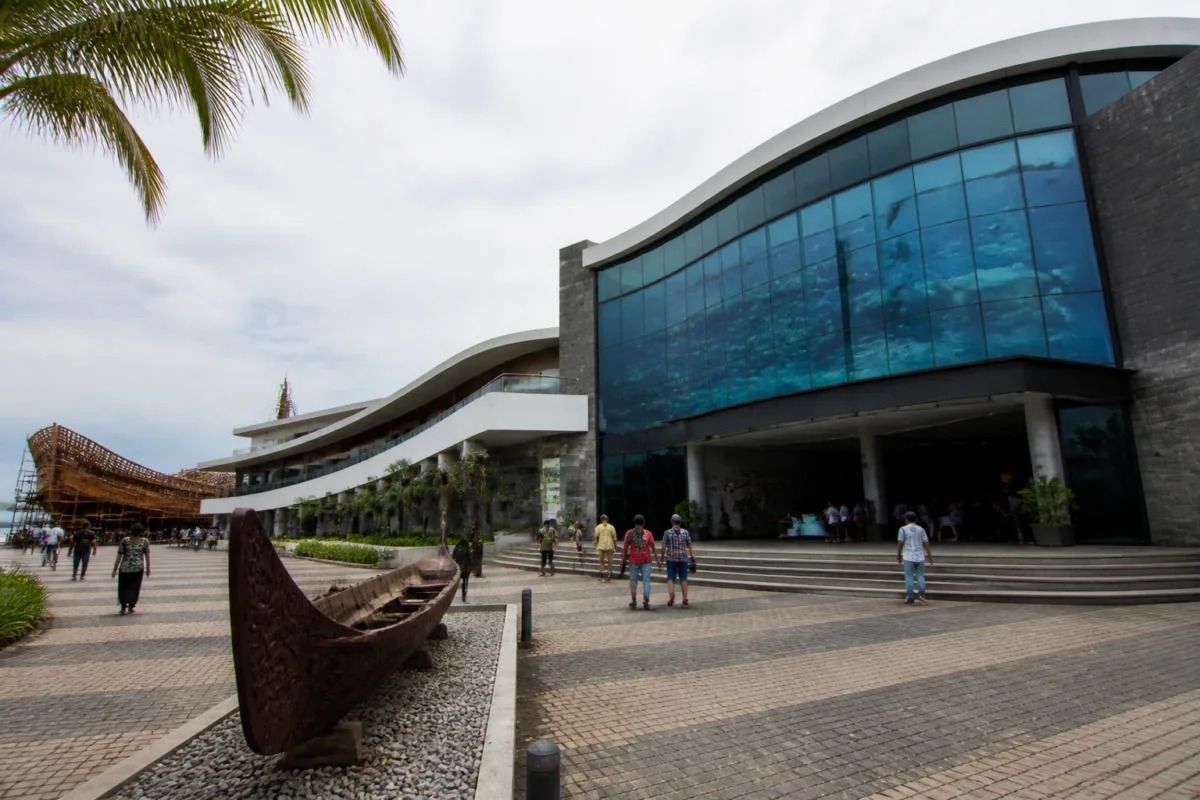
Kerala has moved to speed up its international maritime museum and oceanarium project after the state cabinet approved the draft Memorandum of Association and Articles of Association for a special purpose vehicle to implement it, Chief Minister V D Satheesan said on Wednesday.
The entity will initially be formed as a company under Section 8 of the Companies Act, according to Satheesan. A Section 8 company is a not-for-profit corporate structure, and the approved framework is intended to provide the institutional vehicle for taking the project forward.
The financial model for the project will be worked out in Phase II, the chief minister said. The cabinet decision therefore clears the organisational framework while leaving the project’s financing model to a subsequent stage.
The proposed facility is intended to include one of India’s most advanced oceanariums and an international-standard maritime museum. The government expects the project to strengthen Kerala’s tourism sector while presenting the state’s maritime history through a dedicated public institution.
The museum is expected to cover Kerala’s seafaring heritage through exhibits on the ancient port of Muziris, Kollam port and the boatbuilding traditions of Beypore. These sites and practices represent different strands of the state’s maritime history, from historic port activity to coastal manufacturing and traditional vessel construction.
The project is part of the Mission Samudara initiative, which was announced by the United Democratic Front government soon after it came to power. The cabinet’s approval of the SPV documents gives the initiative a formal implementation structure, although the source report does not specify the project’s location, construction schedule, estimated cost or proposed opening date.
The decision also separates the project’s immediate administrative milestone from its eventual delivery. The SPV can be constituted once the approved documents are completed, while the financial model, construction arrangements and other implementation details are expected to be addressed in the next phase.
For Kerala’s urban and tourism infrastructure, the project combines a visitor attraction with a cultural documentation function. Its progress will depend on the financial model and on subsequent decisions about site development, construction, operations and long-term maintenance. The next stated milestone is Phase II, when the project’s financial model will be worked out.

