


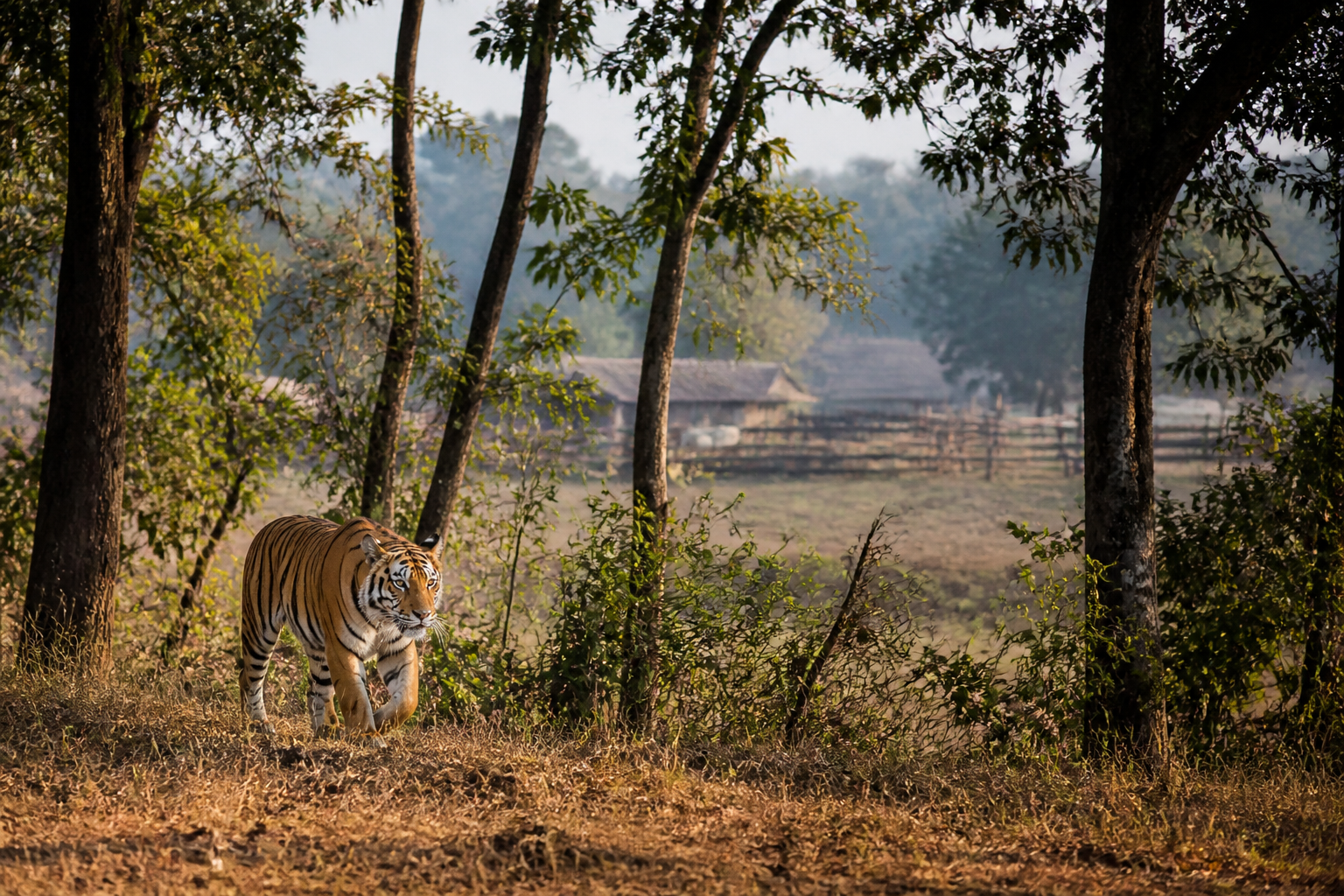
Karnataka’s tiger population may have crossed 700, according to state forest official Kumar Pushkar, even as the rise in numbers expands pressure on habitats, field staff and communities living near forest areas.
Pushkar, the state’s Principal Chief Conservator of Forests (Wildlife) and Chief Wildlife Warden, made the statement at the concluding programme of the 72nd Wildlife Week held in Bengaluru on Thursday. He said the 2022 tiger census had recorded 563 tigers in Karnataka, while an estimate for 2023 placed the population at around 650.
“Now, their number may have crossed the 700 mark,” Pushkar said, describing the increase as a positive development. The figure is an estimate and not a new census result, meaning the official population count remains the 563 tigers recorded in the 2022 census in the information provided by the department.
The increase is also changing the geography of wildlife management in the state. Karnataka’s tiger habitats have been divided into 51 sections, and Pushkar said tigers had expanded into areas where they had not previously been present. The expansion has created new challenges for the forest department, including increased demands on its field personnel.
The official also linked the growing tiger presence to a rise in livestock losses and human–wildlife conflict. More than 6,500 head of cattle have recently been killed by tigers across Karnataka, he said. Based on that number, the department estimates that livestock may account for 30% to 40% of the prey in the tigers’ food chain.
The livestock figure points to the direct cost of conservation for communities living around or within the wider forest landscape. While a larger tiger population indicates improved conservation outcomes, repeated losses of cattle can increase economic pressure on households and intensify encounters between people and wildlife. The supplied report does not provide a district-wise breakdown of the losses, compensation details or the number of human casualties.
Karnataka’s forest administration must therefore manage two connected tasks: protecting expanding tiger habitats and responding to the growing impact on residents and livestock owners. The reported movement of tigers into areas where they were previously absent makes local monitoring and coordination more important, although the statement does not specify new measures or timelines.
The next official tiger population assessment will be important for establishing whether the population has crossed 700 and for determining how the estimate is distributed across the state’s 51 habitat divisions. Until then, the 700-plus figure remains an assessment shared by the state’s senior wildlife official rather than a confirmed census count.
