


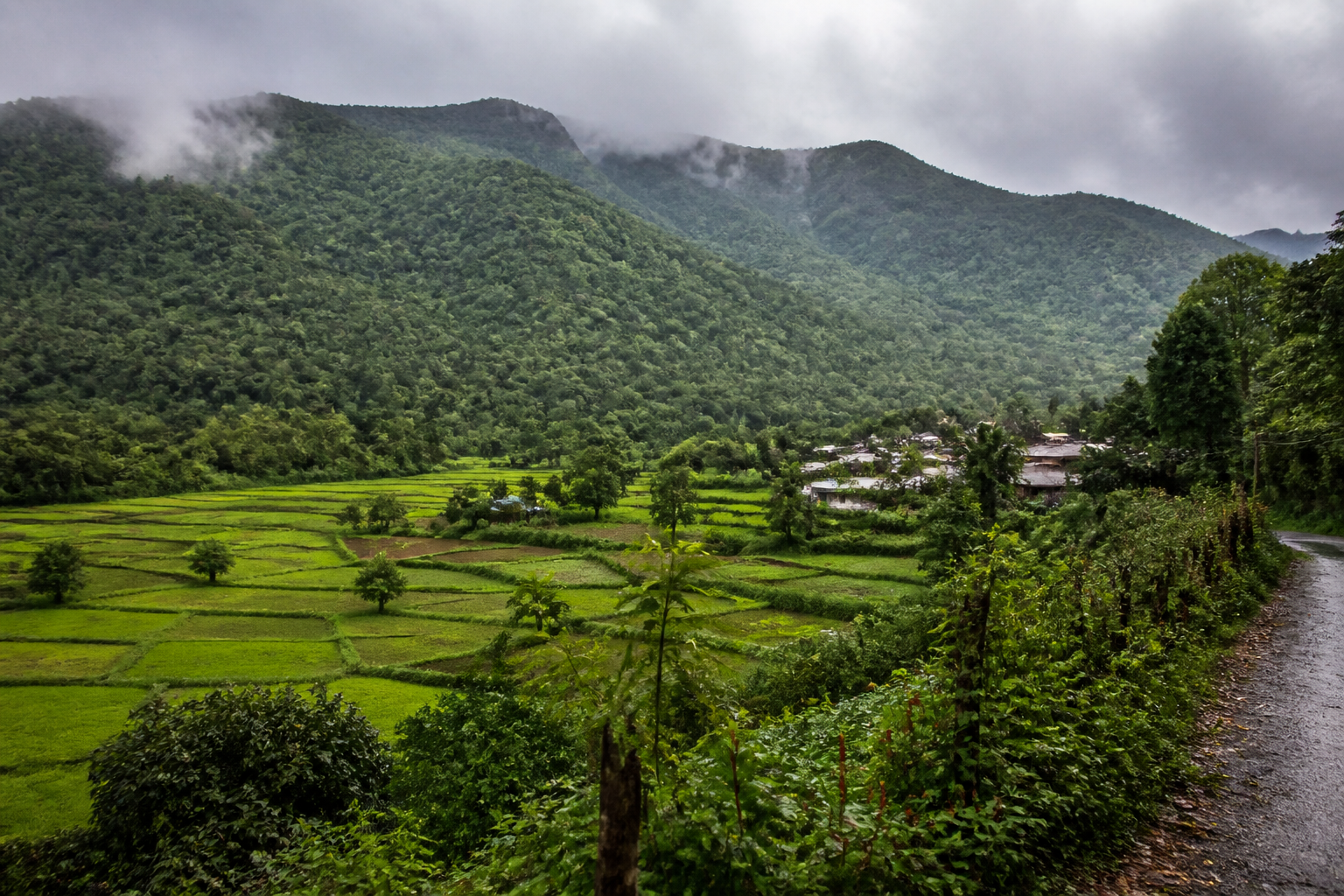
Karnataka has renewed its opposition to the Kasturirangan report on the Western Ghats, with Chief Minister Siddaramaiah’s Legal Advisor and Congress MLA AS Ponnanna calling for a fresh, ground-level assessment of ecologically sensitive areas that include populated agricultural settlements.
Speaking on Tuesday during discussions on the Western Ghats, Ponnanna said there was unanimity across party lines in the state against the report and the action subsequently taken by the Central Government. He said Karnataka supported conservation of the Western Ghats but argued that restrictions must account for the people and economic activities located within the proposed sensitive zones.
“There is unanimity with regard to opposition to the Kasturirangan report and the consequential action that has been taken by the Central Government,” Ponnanna said. He described the Western Ghats as a sensitive biodiversity hotspot that needed protection, but added that conservation had to be “sustainable and balanced”.
According to Ponnanna, the policy must take into account the interests of inhabitants, particularly farming communities and plantation growers. He objected to the inclusion of villages whose residents depend on agriculture and plantation activities, arguing that such a framework did not adequately reflect conditions on the ground.
“Villages which are inhabited by people and which are completely dependent on agricultural activities, then you have failed to take the interests of this community into account,” he said, while demanding the appointment of an expert to prepare a scientific assessment of how the Western Ghats could be protected without disrupting local livelihoods.
The Kasturirangan report has been central to the debate over how the Western Ghats should be regulated. The dispute involves a difficult administrative balance: authorities must identify and protect ecologically fragile landscapes while distinguishing them from inhabited settlements and working agricultural areas. Ponnanna’s remarks indicate that Karnataka wants this distinction to be examined through field-level evidence rather than applied uniformly across all mapped areas.
The demand also places local land use and livelihood patterns at the centre of the conservation debate. Farming and plantation activity are not separate from settlement patterns in the areas under discussion, and any restrictions affecting land use could have consequences for residents whose income and daily life are tied to these activities. The statement did not specify which villages or areas would be covered by a fresh assessment.
Ponnanna said the state would join hands to protect the Western Ghats, but not at the cost of agricultural activities, plantation activities or the lifestyle of thousands of people living in the region. His comments represent the political position described in the supplied report; the statement did not announce a new government notification, revised boundary map or implementation schedule.
The immediate next step sought by Karnataka is the appointment of an expert who would examine conditions on the ground and submit a scientific report. Any formal change to the treatment of sensitive areas would depend on subsequent decisions by the state and Central governments.
