Karnataka Rain Forecast Raises Weather Risks Across State
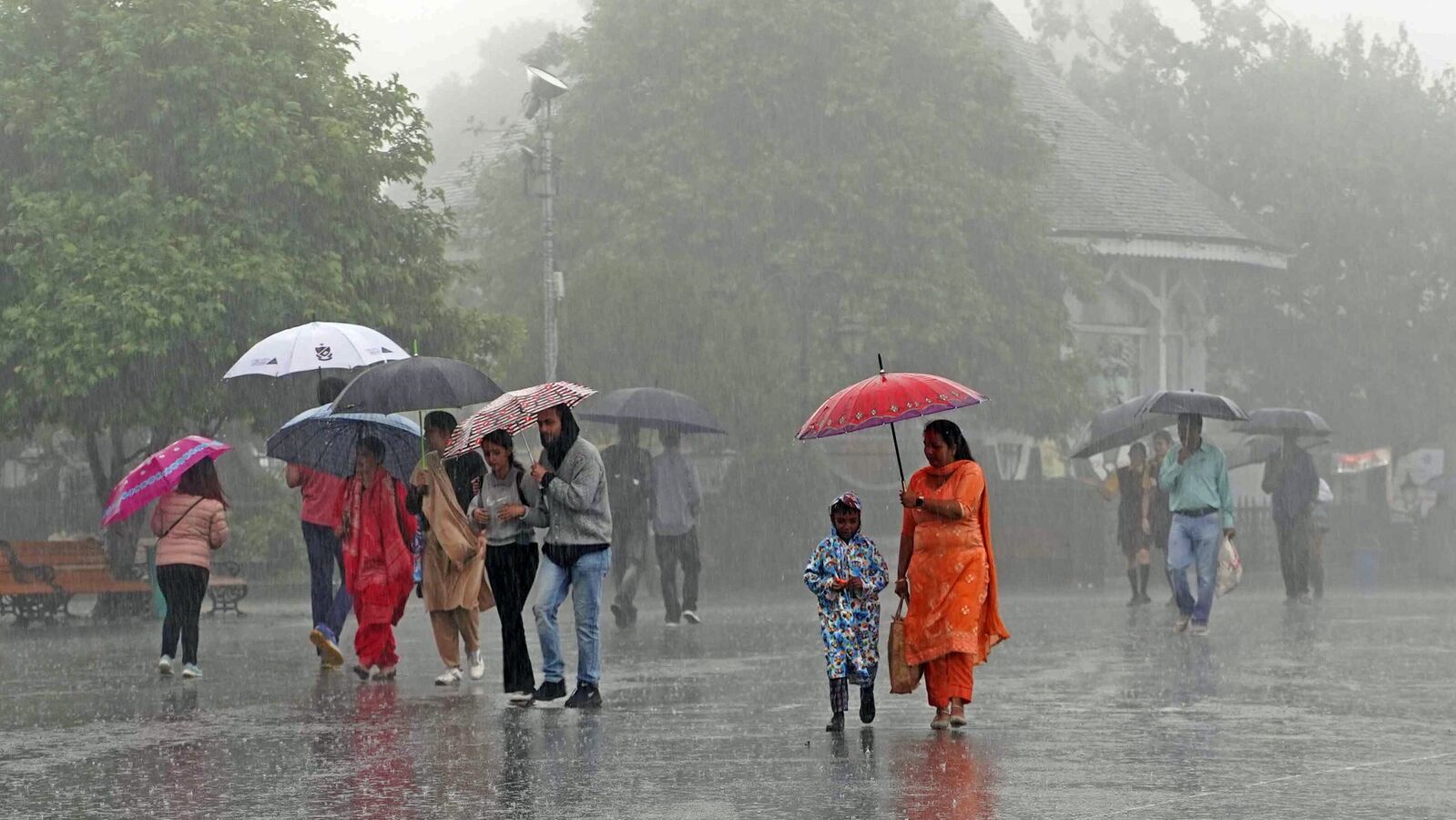
Karnataka entered a spell of heightened weather activity in late May, with the India Meteorological Department forecasting rain, thunderstorms, lightning and gusty winds across several parts of the state. The Karnataka rain forecast also pointed to isolated heavy showers and possible hailstorms, raising concerns for urban mobility, power infrastructure, agriculture and the resilience of vulnerable settlements.
The forecast issued on May 24 covered Coastal Karnataka, North Interior Karnataka and South Interior Karnataka, with rainfall activity expected to remain significant through May 27. For Bengaluru and surrounding areas, the outlook included moderate rain, thunderstorms and lightning, while isolated interior districts faced the possibility of hail.The weather risk was not limited to rainfall totals. Wind speeds of around 40–50 kmph were possible at isolated locations, creating the potential for falling branches, temporary electricity disruptions and damage to weaker structures. For a rapidly expanding urban region such as Bengaluru, such conditions can quickly affect road movement, public transport and neighbourhood-level drainage systems. Rainfall observations also showed how unevenly the weather system was affecting Karnataka. Between the morning of May 23 and May 24, some monitoring stations recorded more than 100 mm of rain within the reporting period, including 155 mm at Babaleshwar in Vijayapura district and 122 mm at Hiregandri in Uttara Kannada.
For cities, the Karnataka rain forecast underlines a wider planning challenge: heavy rainfall becomes more disruptive when natural drainage corridors are constrained by construction, roads and hard surfaces. Short-duration intense rain can overwhelm local drains even when citywide rainfall appears manageable. Urban planners and infrastructure specialists increasingly view stormwater management as a capacity issue rather than simply a monsoon-maintenance task. Keeping drains and waterways unobstructed, protecting low-lying neighbourhoods and maintaining vegetation can reduce the impact of sudden rainfall while improving long-term climate resilience. The agricultural economy faces a separate set of risks. Hail, strong winds and intense showers can damage exposed crops, while repeated wet conditions may complicate farm operations. Coastal and interior districts therefore require different preparedness measures rather than a single statewide response. The immediate priority during thunderstorms remains public safety, including avoiding exposed locations and trees and taking precautions around electrical equipment.
Beyond the warning period, however, the episode points to a broader requirement: Karnataka’s cities and infrastructure networks need to be designed for increasingly variable rainfall rather than historical weather patterns alone. The forecast period was expected to ease in some areas after May 27, although isolated showers and thunderstorms could continue.