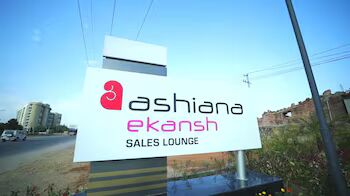
Jaipur’s premium residential market is showing signs of accelerated demand, with the first phase of a high-end housing development on Tonk Road being fully absorbed shortly after launch. The development, part of a larger eco-focused residential project, reflects a growing appetite for spacious, amenity-rich housing in emerging urban corridors of the city.
The project, launched earlier this year, comprises low-density, multi-storey residences with a strong emphasis on open spaces and green design. Spread across roughly three acres, the development includes just over 100 units in its initial phase, indicating a deliberate move towards exclusivity and controlled density in contrast to conventional high-volume housing supply. The quick sell-out of Phase I highlights a broader shift in Jaipur’s housing demand patterns. Industry observers note that post-pandemic preferences have tilted towards larger homes, better ventilation, and integrated community amenities—factors increasingly influencing buyer decisions in tier-two cities. In this context, the rise of Jaipur premium housing is not merely a pricing trend but a reflection of evolving lifestyle expectations. Connectivity has played a critical role in this transition. The Tonk Road corridor, where the project is located, offers direct access to key employment hubs, the airport, and upcoming infrastructure networks. Improved road linkages and planned urban expansion towards the southern and eastern edges of Jaipur have made such locations more viable for high-value residential investments.
However, the surge in Jaipur premium housing also raises questions around balanced urban growth. While high-end developments optimise land use through vertical construction and curated amenities, they often remain inaccessible to a majority of the population. Urban planners warn that without parallel investments in affordable housing and public infrastructure, such growth risks creating fragmented urban landscapes with stark socio-economic divides. Environmental considerations are equally relevant. Projects marketed around green living typically incorporate features such as landscaped open areas, reduced ground coverage, and water management systems. In this case, a significant portion of the project area is reportedly reserved for open and green spaces, aligning with emerging sustainability benchmarks in residential design. However, experts stress that long-term environmental performance depends on operational efficiency, energy use, and integration with city-level infrastructure. From a market standpoint, the absorption of Phase I suggests resilience in the upper segment of Jaipur’s real estate sector, even as broader housing demand remains mixed. Analysts indicate that premium housing continues to attract both end-users and investors seeking long-term value, particularly in cities witnessing infrastructure-led expansion.
The development is expected to be completed towards the end of the decade, reflecting the extended timelines typical of large residential projects. This places added importance on execution, regulatory compliance, and alignment with evolving urban needs over time. As Jaipur continues to expand beyond its traditional core, the performance of projects like this will shape how the city balances growth with inclusivity. The trajectory of Jaipur premium housing will ultimately depend on whether such developments integrate with broader urban systems—ensuring that sustainability, accessibility, and liveability remain central to the city’s future.