Israel Lebanon Conflict Raises Infrastructure Risk Concerns
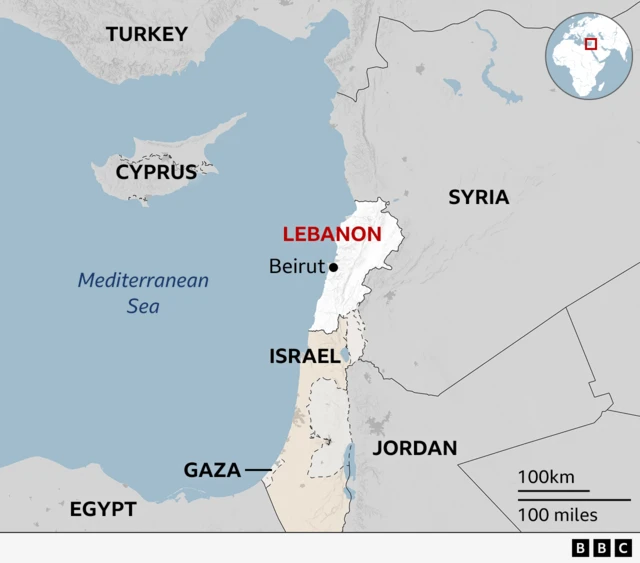
Escalating rhetoric from Israel’s leadership has intensified concerns over the vulnerability of civilian infrastructure in Lebanon, as the ongoing conflict with Hezbollah expands beyond military targets into broader urban systems. The remarks, calling for strikes that blur distinctions between state and non-state actors, come at a time when cross-border hostilities are already straining critical infrastructure and displacing large populations.
Recent weeks have seen sustained air and ground operations across southern Lebanon, with Israeli forces targeting what they describe as Hezbollah-linked assets embedded within civilian areas. This has coincided with significant damage to infrastructure networks, including power facilities and transport links, raising alarms about the long-term impact on urban systems and essential services. The conflict is unfolding alongside intensifying military activity and diplomatic friction. Israeli operations have expanded into strategic border regions, while Hezbollah has continued retaliatory strikes, contributing to a cycle of escalation that has already led to thousands of casualties and widespread displacement. Urban policy experts warn that targeting or threatening civilian infrastructure marks a critical shift in the nature of the conflict. Infrastructure such as electricity grids, bridges and water systems forms the backbone of urban life, and its disruption can have cascading effects—crippling healthcare delivery, limiting mobility and undermining economic activity.
In dense settlements, these impacts are often immediate and disproportionately affect vulnerable populations. International responses have underscored these concerns. Diplomatic statements in recent days have criticised attacks affecting civilian infrastructure, highlighting potential violations of humanitarian norms and the broader risks of destabilisation across the region. These developments come as global stakeholders push for de-escalation, particularly with fragile diplomatic efforts underway to initiate direct talks between Israel and Lebanon. The situation also reflects a deeper structural challenge in contemporary conflict zones: the entanglement of military and civilian spaces. As armed groups operate within populated areas, distinguishing between strategic targets and civilian assets becomes increasingly complex, often leading to expanded zones of destruction. This has implications not only for immediate humanitarian outcomes but also for long-term urban recovery and reconstruction.
From an infrastructure perspective, repeated damage to energy systems and transport corridors risks setting back development gains by years. Rebuilding such systems requires significant financial resources, institutional capacity and political stability—conditions that are often absent in prolonged conflict environments. As hostilities continue, the future of Lebanon’s urban centres remains uncertain. The trajectory of the conflict will determine whether cities face deeper infrastructural collapse or move towards stabilisation through negotiated settlements. For policymakers and planners, the unfolding crisis underscores the urgent need to safeguard civilian infrastructure as a cornerstone of resilience in conflict-prone regions.