


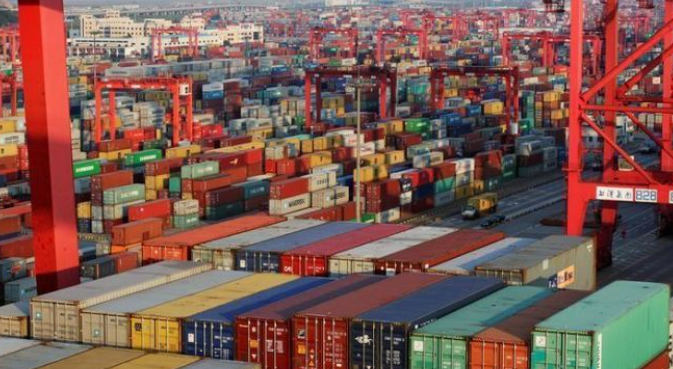
Export activity from the Indore Special Economic Zone has recorded a notable increase during the financial year 2025–26, reflecting expanding manufacturing output and growing international demand from pharmaceutical producers based in the region. Officials overseeing the zone indicate that exports from the Indore SEZ exports ecosystem rose by around 10 percent, reinforcing the city’s position as a key industrial and trade hub in central India. Located in the Pithampur industrial belt near Indore, the Special Economic Zone hosts a mix of pharmaceutical, engineering, and manufacturing companies serving global markets. Among these sectors, pharmaceutical production emerged as the strongest contributor to the rise in Indore SEZ exports, driven by increased overseas demand for formulations, bulk drugs and specialised medical products.
Industry officials associated with the zone say the performance reflects sustained investment in pharmaceutical manufacturing capacity over recent years. Several companies operating within the zone have expanded production lines, upgraded regulatory compliance systems and strengthened global supply chains. These developments have helped firms meet stringent international standards required for exports to regulated markets. The growth in Indore SEZ exports also reflects the broader transformation of Indore into a regional manufacturing powerhouse. The city’s proximity to industrial clusters such as Pithampur, combined with improving logistics infrastructure, has supported the development of export-oriented industries. Access to national highway networks, rail connectivity and inland logistics hubs has reduced supply chain friction for exporters. Urban economic analysts point out that Special Economic Zones serve as catalysts for regional industrialisation. By offering infrastructure, regulatory facilitation and export-focused incentives, SEZs often attract high-value manufacturing sectors that generate employment and strengthen regional supply chains. In Indore’s case, the pharmaceutical industry has played an especially important role. Pharmaceutical manufacturing typically requires advanced facilities, skilled labour and strict regulatory oversight. As companies scale up operations within the zone, they create opportunities not only for direct employment but also for ancillary industries including packaging, logistics, chemical processing and quality testing services. The rise in Indore SEZ exports also has implications for sustainable industrial development. Modern pharmaceutical plants are increasingly adopting energy-efficient production systems and waste management practices to meet international environmental standards. Such upgrades can support cleaner manufacturing processes while aligning industrial growth with environmental accountability. Officials note that the zone continues to attract interest from new investors exploring export-oriented manufacturing opportunities. With global supply chains diversifying and companies seeking alternative production bases, Indian industrial clusters such as Indore are positioning themselves to capture a larger share of international trade flows.
However, experts caution that sustaining export growth will require continued improvements in logistics infrastructure, regulatory clarity and workforce development. Strengthening multimodal transport networks and ensuring stable trade policy frameworks will be essential for maintaining the momentum in Indore SEZ exports. As India’s industrial landscape evolves, the performance of export clusters like Indore offers insight into how regional manufacturing ecosystems can integrate into global markets while contributing to balanced urban economic growth.
ALSO READ – Indore Waste Facility Blasts Raise Industrial Safety Concerns
Indore SEZ Export Growth Signals Industrial Momentum
