


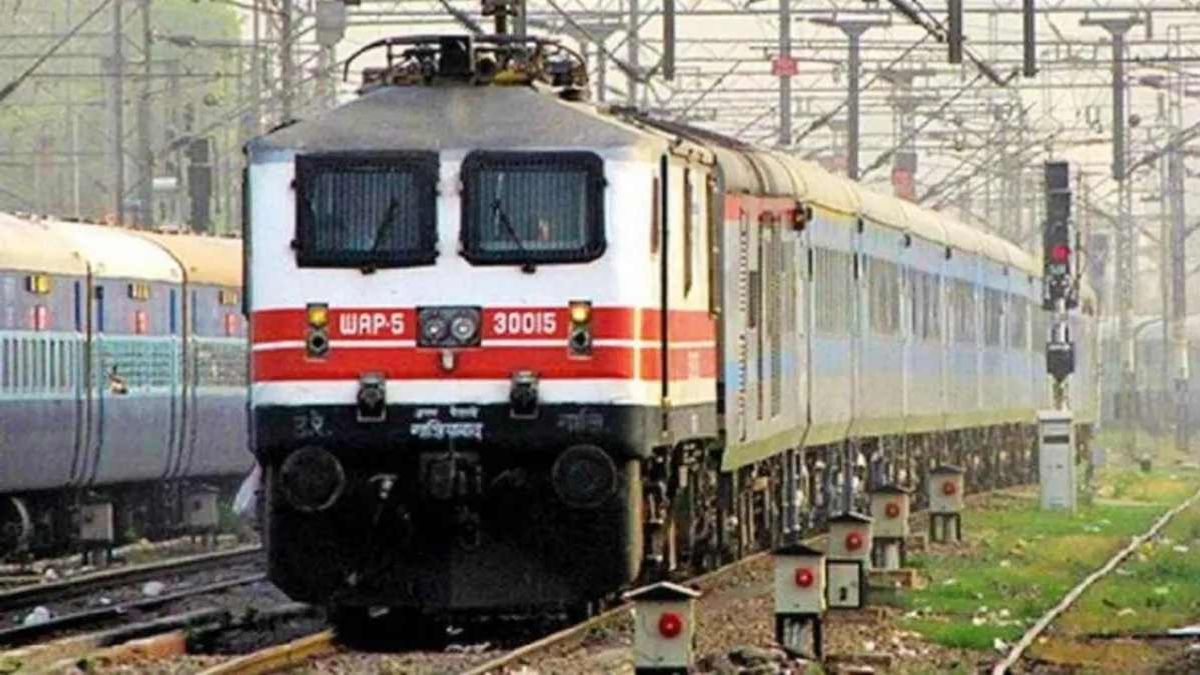
A temporary high-capacity train service has been introduced between Indore and Mumbai to manage a seasonal spike in passenger demand, highlighting both the growing reliance on rail connectivity and the pressure on existing intercity transport infrastructure. The move comes as summer travel peaks and regular premium services on the route remain unavailable. The additional service, designed with air-conditioned coaches and faster schedules, aims to bridge a capacity gap on one of central India’s busiest travel corridors.
For thousands of passengers—including migrant workers, students, and business travellers—the Indore Mumbai train service offers a more predictable and affordable alternative to road or air travel during a high-demand period. Transport analysts view this intervention as a short-term response to a deeper structural issue: the mismatch between rising urban mobility needs and the availability of consistent, high-frequency rail services. Indore’s growing economic footprint and Mumbai’s role as a financial hub have steadily increased travel demand between the two cities, making reliable rail links essential for both personal and commercial movement. While the temporary service helps ease congestion, it also raises questions about long-term planning. Experts argue that intermittent solutions, though necessary during peak seasons, should be complemented by permanent capacity upgrades, including more frequent trains, modernised rolling stock, and improved scheduling efficiency. From a sustainability standpoint, expanding rail capacity is seen as a positive step. Rail travel remains significantly more energy-efficient compared to road or short-haul air travel, particularly when services are well-utilised. Encouraging a shift towards rail can reduce emissions, ease highway congestion, and improve overall urban air quality—especially on heavily trafficked corridors like Indore–Mumbai. However, the effectiveness of such services depends on integration with city-level transport systems. Seamless connectivity to local buses, metro networks, and last-mile options is critical to ensure that passengers can complete their journeys efficiently. Without this, even well-planned intercity services risk underutilisation. Urban mobility experts also highlight the need for passenger-centric planning. Reliable timetables, transparent ticketing systems, and accessible station infrastructure play a key role in shaping commuter behaviour. As Indian cities continue to expand, the demand for predictable and comfortable intercity travel is likely to grow further.
The introduction of this Indore Mumbai train service underscores the importance of adaptive transport planning in rapidly urbanising regions. As authorities respond to immediate demand pressures, the broader challenge will be to convert such temporary measures into long-term, resilient mobility solutions that support both economic growth and environmental goals.
ALSO READ – Indore Mumbai Rail Corridor Reshapes Regional Connectivity
Indore Mumbai Train Service Addresses Summer Travel Surge
