


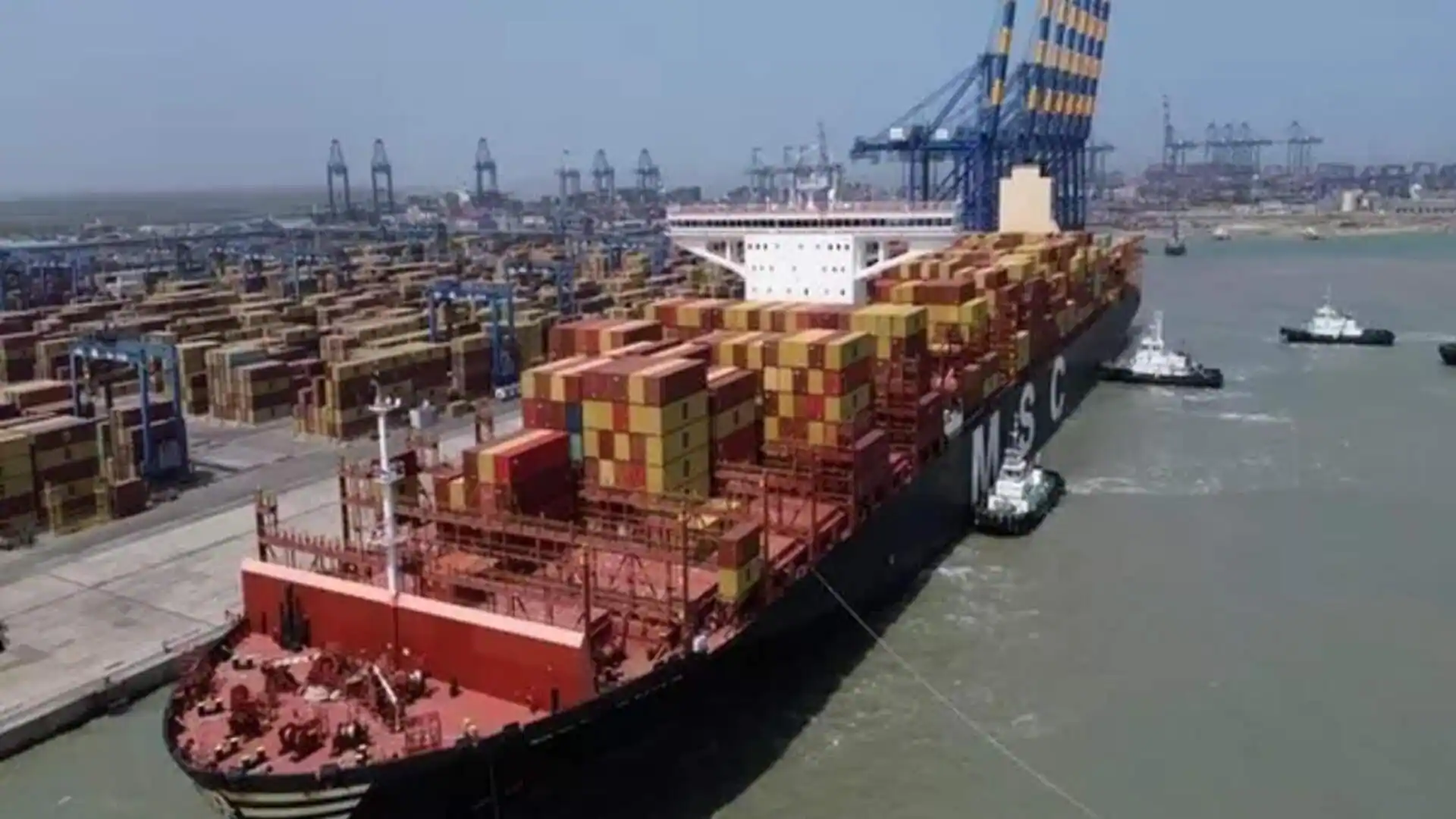
India has imposed a ban on Pakistani-flagged ships entering its ports, citing national security concerns following the deadly Pahalgam attack in Jammu and Kashmir.
The Ministry of Ports, Shipping, and Waterways issued an order under Section 411 of the Merchant Shipping Act, 1958, prohibiting Pakistani vessels from docking at Indian ports and barring Indian-flagged ships from visiting Pakistani ports. The move comes in the wake of the April 22 terrorist attack in Pahalgam, which resulted in the deaths of 26 civilians, including 25 tourists and one local resident. The attack, carried out by militants armed with AK-47s and M4 carbines, targeted a group of tourists in the Baisaran Valley area. While the militant group The Resistance Front initially claimed responsibility, it later retracted the statement. Investigations have linked the attack to Pakistan-based groups, with evidence suggesting involvement from Lashkar-e-Taiba and operatives associated with Pakistan’s Inter-Services Intelligence (ISI) agency.
In response to the attack, India has taken a series of measures to safeguard its national interests. These include suspending the Indus Waters Treaty, closing the Integrated Check Post at Attari, reducing diplomatic staff at high commissions, and now, the ban on Pakistani ships. The Directorate General of Foreign Trade issued a notification prohibiting the direct and indirect import of goods originating from or transiting through Pakistan, effective immediately. The closure of Indian ports to Pakistani vessels is expected to have significant implications for bilateral trade, which had already been in decline due to previous tensions. The Wagah-Attari crossing, the primary trade route between the two countries, has been closed since the Pahalgam attack, further straining economic relations.
While the ban aims to protect Indian assets, cargo, and port infrastructure, it also underscores the broader geopolitical rift between India and Pakistan. The two nations have a history of strained relations, particularly over the Kashmir region, which both claim in full. The Pahalgam attack has intensified these tensions, leading to retaliatory actions from both sides. The international community has expressed concern over the escalating situation, with calls for dialogue and restraint. However, with both nations taking firm stances, the path to de-escalation remains uncertain. The long-term impact of these measures on regional stability and economic ties will depend on the actions taken by both governments in the coming weeks.
Also Read: Over 4000 Illegal Structures Removed Near Chandola Lake
