


Indraprastha Gas Ltd (IGL), the country’s largest city gas distributor, reported a 93.5 per cent fall in standalone net profit for the quarter ended September as higher input gas costs eroded margins despite record sales volumes and a sharp rise in turnover.
Net profit fell to ₹24.38 crore in the second quarter of 2026-27 from ₹372.51 crore in the same quarter a year earlier. The decline came even as sales volumes increased 8 per cent year-on-year and gross sales turnover rose 26 per cent to ₹5,999.13 crore from ₹4,431.63 crore.
IGL’s average daily gas sales crossed 10 million standard cubic metres per day for the first time, reaching 10.06 mmscmd during the July-September quarter compared with 9.31 mmscmd in the corresponding period last year. The increase reflects continued demand across the transport and household segments served by the company’s city gas distribution network.
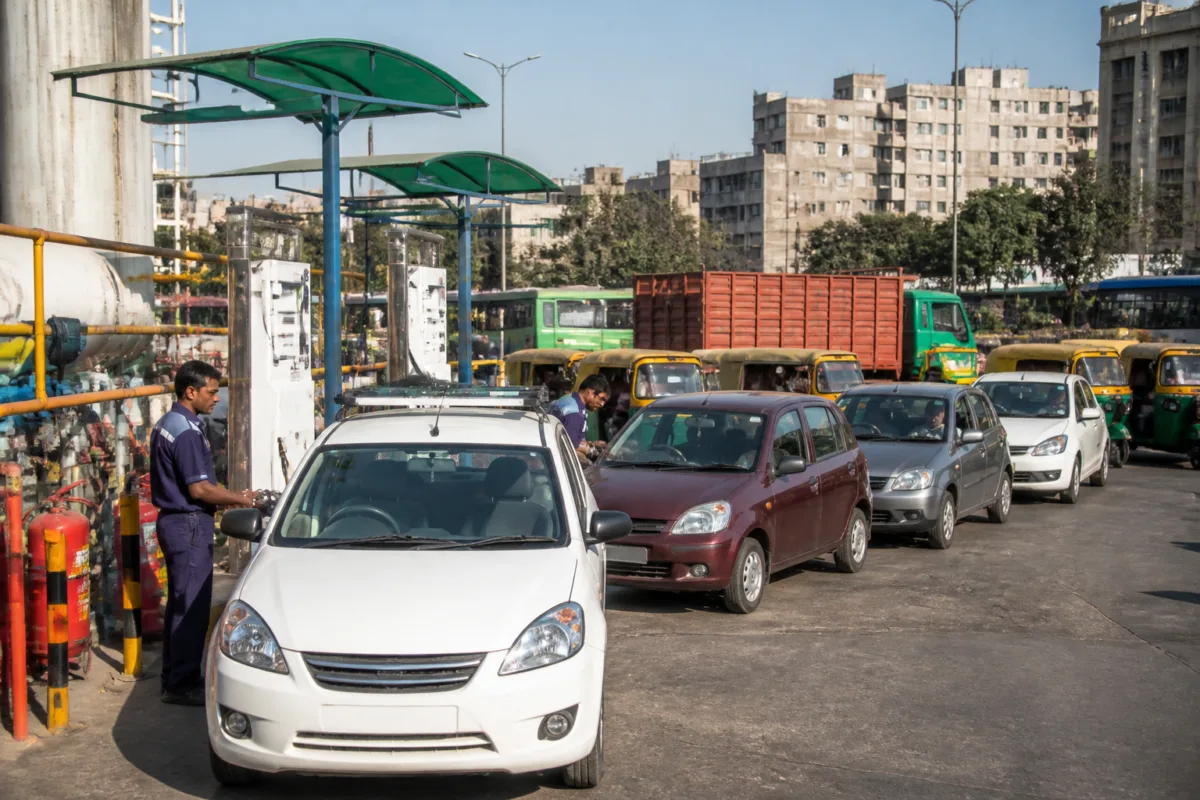
CNG volumes grew 9 per cent year-on-year during the quarter, while piped natural gas sales rose 8 per cent. CNG is supplied to vehicles through IGL’s retail station network, while PNG is delivered to connected households and other users through underground pipelines.
The results show the financial pressure that city gas distributors can face when procurement costs rise faster than the company can adjust customer prices. Although higher gas prices contributed to the increase in gross turnover, the corresponding increase in input costs substantially reduced the amount retained as profit from each unit sold.
IGL operates city gas distribution networks across 34 districts in 11 geographical areas covering Delhi, Uttar Pradesh, Haryana and Rajasthan. Its infrastructure includes more than 30,000 km of pipelines and over 1,000 CNG stations, serving more than 2.5 million CNG vehicles.
The company has also connected more than 3.5 million households to piped natural gas. These networks make IGL’s financial performance relevant beyond corporate earnings: the cost structure of the distributor affects the economics of vehicle fuelling, household gas supply and further expansion of urban gas infrastructure.
The quarter’s volume growth indicates that demand for both transport and household gas continued to expand even as margins weakened. However, the results also underline that network growth alone does not guarantee stronger profitability when the cost of procuring gas rises and price increases cannot be fully passed on to consumers.
IGL’s latest performance therefore places procurement costs and tariff flexibility at the centre of the city’s gas distribution model. The company’s next financial disclosures will indicate whether the pressure on margins continues as it expands sales across its existing geographical areas.

