


Hyderabad’s Special Prison for Women will introduce psychotherapy sessions to support the mental health and emotional resilience of inmates, Director General of Prisons and Correctional Services Soumya Mishra said during a Prisoners’ Welfare Day programme on Friday.
The announcement was made at the prison during an event organised on the occasion of Gandhi Jayanti. The new sessions will supplement existing correctional and rehabilitation measures, with the Prisons Department identifying mental health and emotional well-being as key areas of support for women prisoners.
The department did not provide details on when the psychotherapy sessions will begin, how often they will be conducted or whether they will be delivered by prison staff or external mental-health professionals. The announcement nevertheless marks an expansion of the support available to inmates beyond custodial arrangements and existing correctional programmes.
During the programme, inmates spoke about their experiences with counselling under NIVRUTTI, a de-addiction initiative. The Prisons Department said the counselling had helped participants reflect on their actions and reconsider their lives.
One inmate previously involved in drug peddling said counselling had helped him understand the effect of his actions on his family and that he had decided not to return to the drug trade, according to the department. Another inmate with a history of theft and property-related offences said counselling had helped him recognise his mistakes and reconnect with his mother.
The department said the second inmate had asked his mother not to seek bail until he completed counselling and felt ready to return to society as a changed person. The accounts were presented by the department as examples of how counselling is being used as part of rehabilitation and preparation for reintegration.
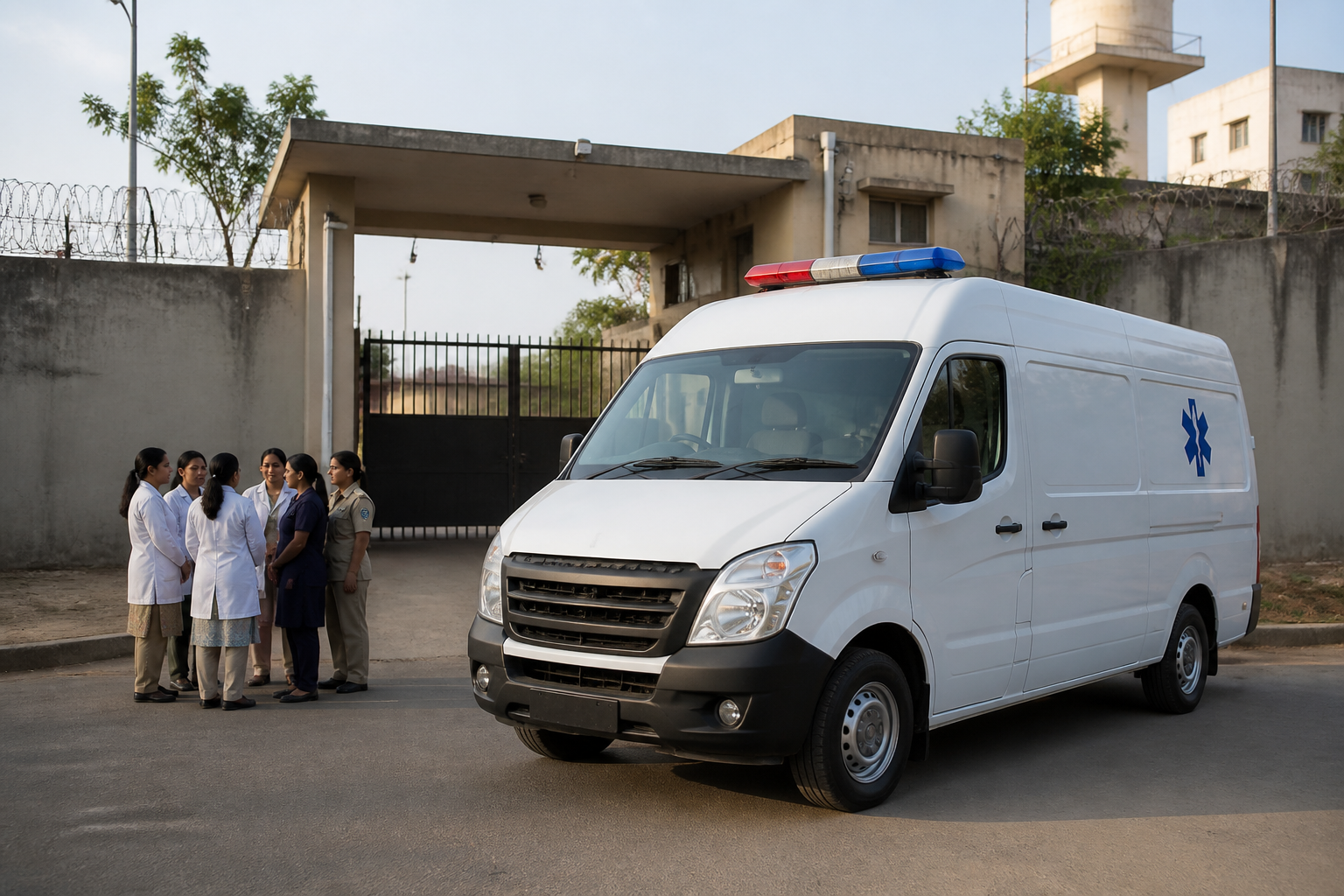
The programme also saw the commissioning of a new ambulance for the prison. Sponsored by the VVS Kendram Welfare Trust, the vehicle is intended to strengthen healthcare and emergency support for women inmates.
The ambulance adds emergency-response capacity within the prison, although the department did not specify its operating arrangements, staffing or the healthcare facilities to which inmates would be referred when required. The psychotherapy initiative and ambulance support together broaden the focus of the prison’s welfare measures from correctional supervision to mental-health care, de-addiction counselling and emergency medical assistance.
The Prisons Department’s next steps are the introduction of the psychotherapy sessions at the Special Prison for Women and the use of the newly commissioned ambulance to support healthcare and emergencies among inmates.
