


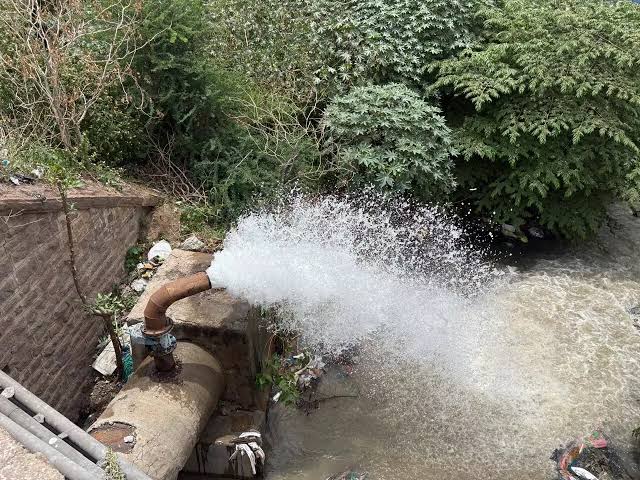
HYDERABAD: Telangana has cleared the execution of the first package of the Mallannasagar-Ghanpur water supply project, advancing a major component of the State’s long-term drinking water infrastructure plan. The package will create two large pumping mains between Mallannasagar and Ghanpur, along with treatment and pumping facilities designed to strengthen water supply capacity and support broader reservoir and river-rejuvenation objectives.
The approved package covers two 3,000-mm-diameter mild steel pumping mains connecting Mallannasagar with Ghanpur. Each main is designed to carry 10 TMCft of water. The works include manufacturing, laying, jointing, testing and commissioning of the pipelines. A pump house and supporting electrical infrastructure, including transformers and a substation, are also part of the package. The scale of the pipelines reflects the growing infrastructure requirements associated with Hyderabad’s expanding population and urban footprint. Reliable bulk water infrastructure is increasingly important as residential and commercial development spreads across the metropolitan region
The project includes a 1,170 million litres per day water treatment plant at Ghanpur. A 40-million-litre clear water reservoir and pump house are also planned at the location. Together, these facilities are intended to create additional capacity between the source and distribution network. Treatment capacity will be particularly important as the city seeks to maintain reliable drinking water supplies while accommodating future demand. For urban planners, expanding water infrastructure alongside population growth is essential. Delayed capacity additions can place pressure on existing systems and increase the cost of serving newly developed areas. The project is being implemented under the Hybrid Annuity Mode (HAM), a public infrastructure financing model in which project costs and payments are structured between the government and concessionaire. The project’s special purpose vehicle has been allowed to initially use internal funds from its parent infrastructure group while its bank loan approval is processed. This arrangement is intended to prevent financing delays from holding up the start of construction.
The government has also recognised December 12, 2025, as the Date of Appointment for the first package, subject to the terms of the concession agreement. The completed facilities will be operated and maintained for 10 years under the contract. This creates a longer-term responsibility beyond construction and places emphasis on the performance and upkeep of the water infrastructure. For large water projects, reliable operation is as important as initial construction. Pumping systems, treatment plants and reservoirs require regular maintenance to deliver consistent service over their operating life. The Mallannasagar-Ghanpur project forms part of the larger Godavari Drinking Water Supply Scheme. In January 2025, the Telangana government sanctioned ₹7,360 crore for Phase II and Phase III of the scheme. The wider programme also includes plans linked to filling Osman Sagar and Himayat Sagar reservoirs and supporting the rejuvenation of the Musi River. This connects drinking water planning with the broader management of Hyderabad’s water systems. As the city grows, future infrastructure will need to balance rising demand with reservoir health, water security and environmental resilience. The immediate priority for the Mallannasagar-Ghanpur package will be timely execution of the pipelines and associated facilities. Its long-term value will depend on whether the new capacity is integrated effectively into Hyderabad’s wider water network.
Read More: Hyderabad Kokapet Sees Rapid Residential Expansion
Hyderabad Water Supply Gets Major Pipeline Push

