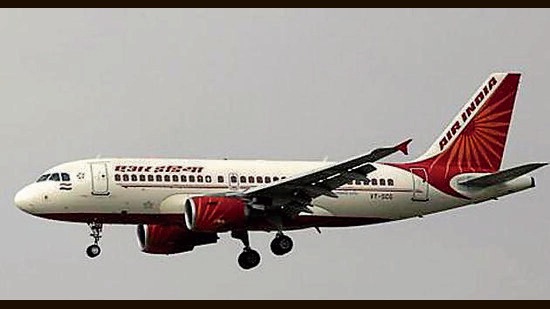
Hyderabad Receives Diverted Air India Flight Safely
An Air India flight travelling from Delhi to Vijayawada was diverted towards Hyderabad after the pilot detected an engine-related technical issue during the journey. The problem was subsequently resolved while the aircraft was airborne, allowing the flight to return to its original destination and land safely with all 180 passengers on board.
The aircraft was carrying 180 passengers, including an Andhra Pradesh minister and several legislators. The diversion was initiated as a precaution after the cockpit crew identified the technical problem, according to the available report. Hyderabad became the aircraft’s diversion route while the crew assessed the situation. Once the reported engine issue was resolved during the flight, the pilot changed course and continued towards Vijayawada instead of landing in Hyderabad. The aircraft subsequently reached Vijayawada safely. No injuries were reported among the passengers, and everyone on board was confirmed safe. The incident comes amid increased attention on airline safety and technical reliability across India’s aviation sector. Airlines routinely have procedures for responding to technical problems during flights, including diverting to an alternative airport when necessary.
For passengers, such diversions can be unsettling, particularly when they occur because of an aircraft system or engine issue. However, changing the flight path allows pilots and air traffic authorities to manage potential risks while keeping suitable airports available if a landing becomes necessary. The incident also highlights the importance of operational preparedness at airports across the region. Hyderabad is a major aviation hub in southern India and can serve as an important alternative destination when flights operating in the wider region encounter operational difficulties.
No further details about the exact nature of the engine problem or the aircraft’s subsequent technical assessment were available in the report reviewed. Any determination about the cause would depend on the airline’s maintenance inspection and regulatory processes. For now, the key outcome is that the flight completed its journey safely after the in-flight technical issue was addressed. The incident demonstrates the role of precautionary diversion procedures in protecting passengers when unexpected technical concerns emerge during air travel.