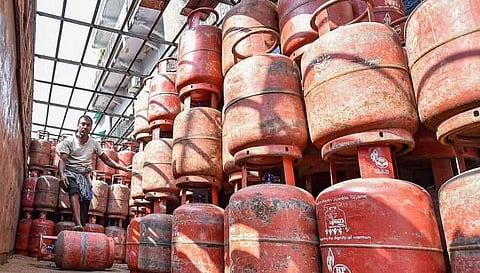
Rising geopolitical tensions in West Asia are beginning to reshape household spending patterns across Telangana and Andhra Pradesh, with sharp increases in LPG and edible oil prices adding fresh pressure on urban families already coping with inflation and high living costs. In Hyderabad, commercial cooking gas rates and essential food commodities have witnessed steep hikes over recent weeks, triggering concerns among consumers, restaurants and small businesses.
Retail traders and market analysts said the price rise is linked to disruptions in global fuel supply routes and escalating freight costs following instability around the Strait of Hormuz, a critical global energy corridor. India imports a significant share of its LPG and edible oil requirements, making domestic markets highly vulnerable to international supply shocks and shipping disruptions. According to traders in Hyderabad, the cost of a 19-kg commercial LPG cylinder has climbed above ₹3,300 after multiple revisions, while domestic LPG prices have also increased over the past two months. Edible oils such as sunflower, palm and soybean oil have recorded sharp retail price jumps, affecting households and food businesses across urban centres. The Telangana LPG price increase is particularly affecting lower and middle-income households where cooking fuel and food items account for a substantial share of monthly expenditure. Consumer groups say many families are already shifting to lower-cost edible oils and reducing discretionary food spending to manage rising expenses.Restaurant operators and cloud kitchens in Hyderabad have also reported operational strain as fuel, packaging and raw material costs continue to rise. Several smaller eateries are said to be reducing menu options, scaling down operations or delaying expansion plans because of mounting input costs. Industry estimates suggest the hospitality sector has already witnessed revenue pressure due to declining customer spending and higher operational expenditure.
Urban economists note that inflation linked to global energy disruptions often has a disproportionate impact on rapidly growing cities where transport, logistics and food supply systems depend heavily on imported fuel and commodity chains. Hyderabad’s expanding urban economy, driven by construction, hospitality and logistics activity, remains particularly sensitive to fuel-linked inflation.Public policy experts also warn that sustained LPG and edible oil inflation could intensify food insecurity among vulnerable urban communities. Informal workers, daily wage earners and migrant households typically face the greatest burden during prolonged price spikes because housing, transport and utility costs already consume a large share of earnings.The Telangana LPG price increase has additionally renewed discussion around long-term energy resilience and urban sustainability. Experts argue that cities must accelerate investments in piped natural gas networks, decentralised renewable energy systems and energy-efficient public infrastructure to reduce exposure to volatile global fuel markets. The Centre has already encouraged states to expand PNG adoption for commercial kitchens and institutional users to ease pressure on LPG demand. Food supply specialists also caution that edible oil dependence remains a structural challenge for India, particularly because domestic production continues to lag behind consumption demand. Southern India consumes a large share of imported sunflower oil, making states such as Telangana especially vulnerable during international disruptions.
While authorities maintain that supply chains remain operational, economists believe prolonged instability in West Asia could continue to influence household inflation, transport costs and urban consumption patterns over the coming months. For Hyderabad and other rapidly urbanising regions, the crisis highlights how global geopolitical events increasingly shape local affordability, food security and urban economic resilience.