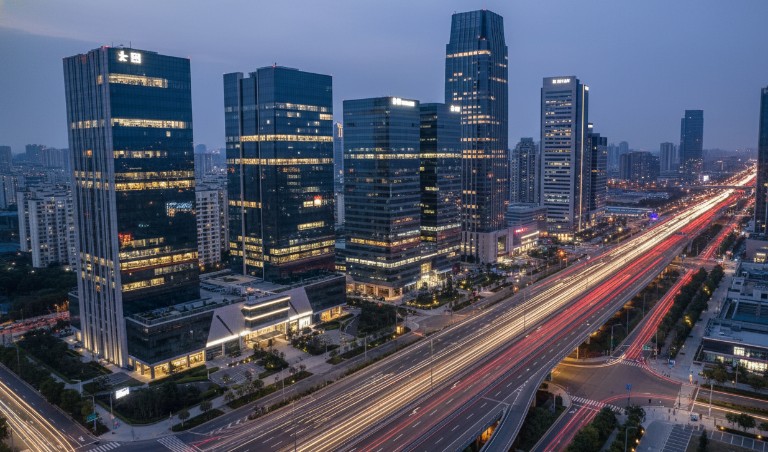
HYDERABAD: Housing costs are coming under renewed pressure across Hyderabad’s western technology corridor, where premium apartments in locations such as Madhapur, Gachibowli and HITEC City are commanding increasingly high rents. Reports of select homes seeking monthly rentals of up to ₹2 lakh point to a widening affordability challenge as employment growth, limited premium housing supply and strong demand reshape the city’s rental market.
The highest rents are concentrated in gated communities and larger apartments catering to senior professionals, expatriates and high-income households. Market reports indicate that three-bedroom homes in some established technology districts can command around ₹70,000 to ₹1 lakh a month, while two-bedroom properties in sought-after locations may attract rents of ₹45,000 to ₹50,000. The reported ₹2 lakh level represents the premium end of the market rather than the typical rent paid across Hyderabad. Nevertheless, the trend is significant because it shows how sharply housing costs can rise in neighbourhoods closest to major employment clusters. Hyderabad’s western corridor has experienced sustained commercial and residential development over the past decade. The expansion of technology companies, global capability centres and supporting businesses has brought a steady stream of employees into areas around HITEC City, Madhapur, Gachibowli and the newer growth zones beyond them.
That economic growth is translating into stronger housing demand, but supply does not always expand at the same pace or in the same price segments. New premium developments can add high-quality homes, yet they may remain unaffordable for employees whose salaries have not increased at a comparable rate. For middle-income households, rising rents can have consequences beyond monthly budgets. Tenants may move farther from workplaces to find cheaper homes, increasing commuting times and dependence on private vehicles. That can add pressure to already congested roads while increasing household spending on transport. The rental market also has implications for Hyderabad’s broader urban structure. When high-value housing becomes concentrated around employment centres, lower- and middle-income workers can gradually be pushed towards peripheral neighbourhoods. Without adequate public transport and affordable housing options, this can contribute to a less inclusive pattern of urban growth.
The challenge for policymakers and planners is therefore not simply to increase housing supply. Hyderabad needs a wider mix of rental and ownership options, supported by reliable public transport, social infrastructure and employment-linked housing development. Premium rents may continue as long as high-income demand remains strong. But the longer-term health of Hyderabad’s housing market will depend on whether the city can accommodate its expanding workforce without allowing proximity to jobs to become an increasingly expensive privilege.