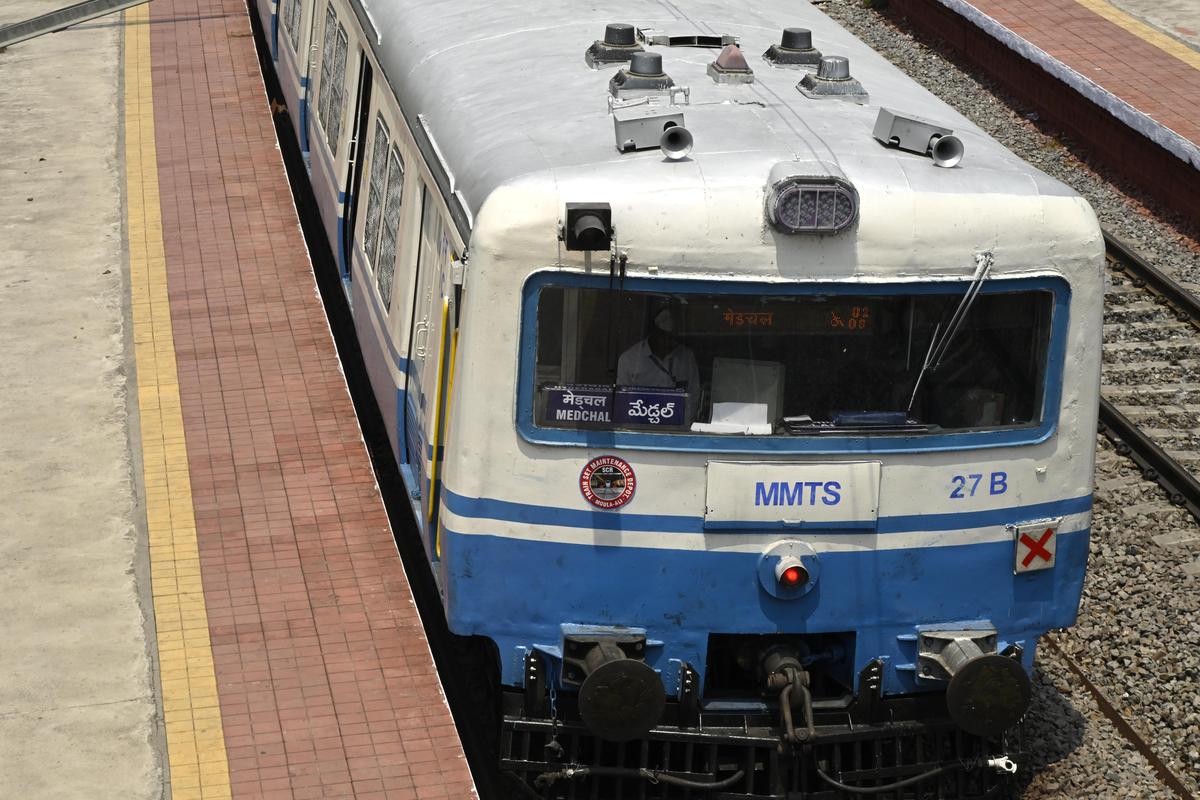
Eight new weekly trains will begin rolling out of the city from next month, connecting Telangana’s capital to pilgrim towns in Andhra Pradesh, as well as Bhubaneswar, Jaipur, and the Rajasthan border town of Sri Ganganagar. The Railway Ministry’s approval adds five services dedicated to Tirupati and Tiruchanur, reflecting the dominance of religious tourism in shaping India’s passenger rail priorities. The first service, the Kacheguda–Bhubaneswar weekly, starts 5 May 2026. Charlapalli–Tirupati follows on 14 May, and Kacheguda–Tiruchanur on 15 May. The longest route, Kacheguda–Sri Ganganagar, begins 14 July. A Hyderabad–Jaipur train has also been sanctioned, with dates pending from the zonal railway.
From an urban mobility perspective, the announcement raises a familiar question: Are new trains the same as better connectivity? Weekly services, by definition, serve niche demand — pilgrims planning festivals, families visiting hometowns, and travellers with flexible schedules. They do little for daily commuters or business travellers who need frequency, not just route expansion. A senior railway official noted that the five Tirupati-bound trains address a long-standing gap for Telangana’s large devotional traveller base. Tirupati’s temple economy generates significant footfall, and dedicated weekly services reduce pressure on general compartments. But urban analysts point out that the city’s three originating stations — Kacheguda, Charlapalli, and Nampally — remain underutilised for suburban commuting. Hyderabad’s suburban rail network, which could decongest road traffic, has seen limited investment compared to long-distance expansion.
The Sri Ganganagar connection is strategically interesting. The border district in northern Rajasthan is an agricultural hub with significant trade linkages. A direct weekly train from Hyderabad could benefit perishable goods movement, though freight capacity on passenger trains remains constrained. The Jaipur service, similarly, opens tourism and small-business corridors. Missing from the announcement is any mention of decarbonisation. Rail remains the most energy-efficient surface transport mode per passenger-kilometre, and each new train that replaces a bus or car journey reduces urban emissions. But weekly frequencies do not meaningfully shift mode share. What Hyderabad needs — like most Indian cities — is high-frequency, electrified suburban rail that makes car ownership optional.
The eight trains will launch between May and July. Pilgrims will benefit. Long-distance travellers will have more options. But the deeper test for Telangana’s rail infrastructure is whether weekly services are a step toward a commuter network or a convenient alternative to building one.
Hyderabad Gets Eight New Weekly Trains Across India