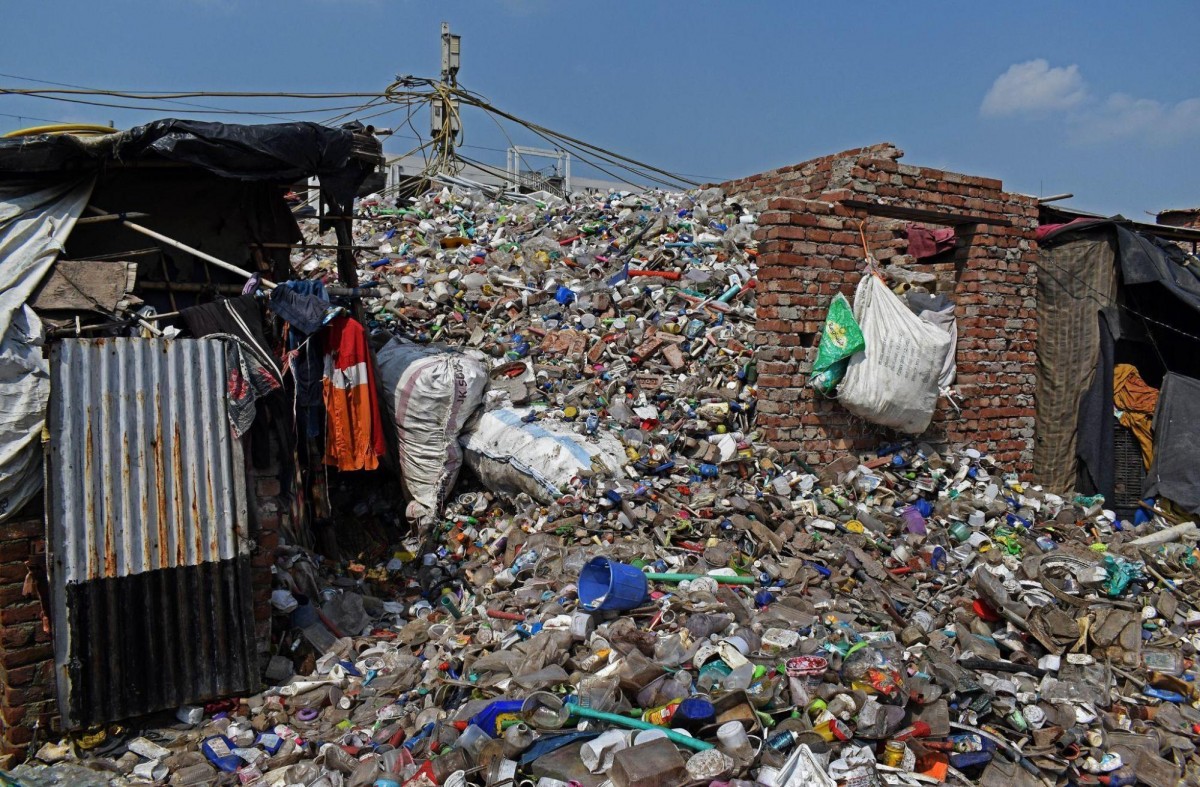
Hyderabad Garbage Burning Complaints Raise Health Concerns
Frequent incidents of open garbage burning across Hyderabad are triggering growing concern among residents, environmental groups and public health experts, with complaints emerging from several neighbourhoods over worsening air quality and weak waste management enforcement. Civic authorities are facing renewed pressure to curb the practice as smoke from burning waste continues to affect residential areas during early mornings and late evenings.
Residents from localities including Kukatpally, LB Nagar, Uppal and parts of the Old City have reported repeated instances of waste being set on fire in vacant plots, roadside dumping points and informal garbage collection areas. Citizens say the smoke often contains plastic waste, construction debris and mixed municipal refuse, creating foul odours and respiratory discomfort for nearby communities.Urban environmental experts warn that open waste burning remains one of the most underreported contributors to air pollution in rapidly growing Indian cities. Burning mixed garbage releases toxic pollutants including particulate matter, carbon monoxide and harmful chemicals linked to respiratory illnesses and long-term cardiovascular risks.The Hyderabad garbage burning issue comes at a time when the city is already experiencing increased summer heat stress and deteriorating air quality in several high-traffic corridors. Environmental researchers say heatwave conditions and dry weather can intensify the spread of smoke and airborne pollutants, particularly in densely built neighbourhoods with limited green cover.Residents allege that delayed waste collection, overflowing bins and illegal dumping practices are encouraging informal disposal methods in some areas. Civic activists say unsegregated garbage and weak monitoring of waste handling systems continue to undermine Hyderabad’s broader sustainability goals.Officials from the Greater Hyderabad Municipal Corporation have periodically warned against open burning and stated that enforcement drives are being conducted in vulnerable zones.
Penalties for illegal waste burning already exist under municipal regulations, but urban governance specialists argue that enforcement remains inconsistent across rapidly expanding suburban areas.Public health professionals note that the impact is often most severe for children, senior citizens and outdoor workers who face prolonged exposure to smoke pollution. Doctors in Hyderabad have repeatedly reported seasonal spikes in respiratory discomfort, allergies and asthma-related complaints during periods of intensified waste burning and dust pollution.The Hyderabad garbage burning problem also reflects broader structural challenges in urban waste management. Hyderabad generates thousands of tonnes of municipal solid waste every day, with increasing volumes linked to population growth, construction activity and commercial expansion. Experts argue that cities relying heavily on landfill dumping and informal disposal systems face greater risks of illegal burning and environmental degradation.Urban planners say improving decentralised waste segregation, expanding recycling systems and strengthening door-to-door collection networks could significantly reduce such incidents. Environmental groups have also called for stronger community awareness programmes and stricter monitoring of bulk waste generators including markets, construction sites and commercial establishments.Climate specialists further caution that open waste burning contributes to greenhouse gas emissions and undermines efforts to create cleaner, climate-resilient cities. As Hyderabad continues to expand outward through new residential and industrial zones, experts believe sustainable waste management will become increasingly central to public health and urban liveability.
For Hyderabad’s civic authorities, the growing complaints highlight a larger challenge confronting fast-growing cities — ensuring that infrastructure expansion is matched by reliable environmental governance and cleaner neighbourhood-level services.