


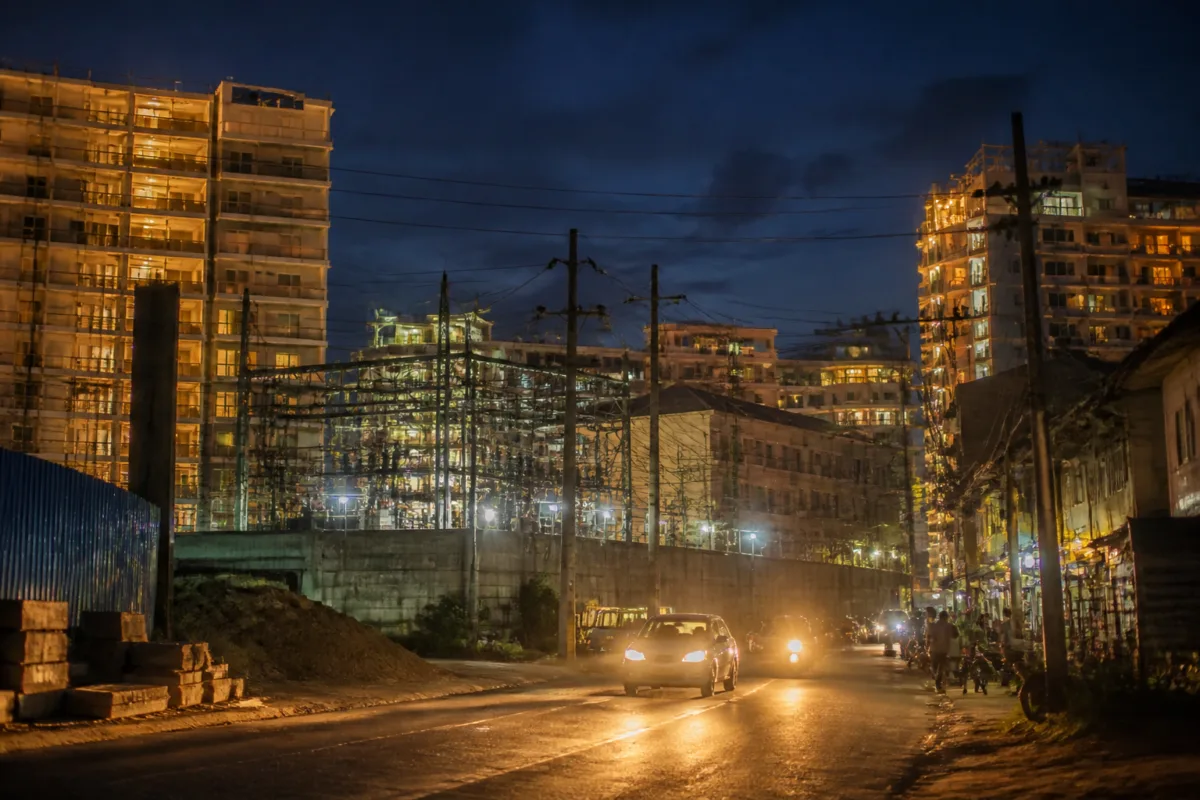
Goa power demand is now remaining elevated until 1am on hotter nights, marking a significant shift from the state’s earlier peak-consumption window of roughly 6pm to 10pm, the electricity department has said. Officials linked the change to prolonged hot weather, increased air-conditioner use, rapid urbanisation, tourism and longer operating hours for establishments.
The department first observed the extended peak during summer, and the pattern continued between July and October amid higher temperatures and a monsoon deficit. Superintending engineer Rajiv Samant said the department recorded a maximum peak-hour demand of 900MW in April and 860MW on October 22. Earlier, peak load would generally continue until around 10pm, but officials are now seeing it persist until 1am.
The revised demand pattern means Goa’s electricity system is facing pressure later into the night, rather than only during the conventional evening period. The department attributed the additional consumption to cooling requirements in homes and commercial premises, late operating hours, construction activity and migration from villages to urbanising areas.
“Every flat will have an AC without which people cannot sustain the heat,” Samant said, pointing to the relationship between rising temperatures, housing growth and electricity use. Goa has more than seven lakh electricity consumers, including 5.76 lakh domestic consumers, making household demand a major component of the state’s load profile.
Department data shows that Goa’s peak demand stood at 714MW in 2021-22. It increased by 2.9% in 2022-23, 6.5% in 2023-24, 5.1% in 2024-25 and 4.1% in 2025-26. The department’s projections put peak demand at 857MW in 2025-26, 900MW in 2026-27, 937MW in 2027-28, 983MW in 2028-29 and 1,033MW in 2029-30.
The projections place Goa’s peak requirement above 1,000MW by 2029-30, increasing the importance of managing when electricity is consumed as well as how much is required. The extended nighttime peak also reflects how housing, climate conditions, tourism and changing work and business patterns are reshaping the state’s electricity infrastructure needs.
To meet the projected demand while expanding renewable energy capacity, the government plans to install battery energy storage systems with a combined capacity of 1,000MWh at various substations by 2029-30. According to the electricity department, the batteries will be charged during the day and discharged during the evening peak period. The system is also intended to reduce the need for costly power purchases from electricity exchanges.
The department’s next steps are therefore centred on combining additional storage with the planned expansion of renewable energy capacity as Goa prepares for peak demand of 1,033MW by 2029-30.

