


The European Union’s 9.5% anti-dumping duty on Indian cold-rolled steel has triggered a sharp objection from the Indian Steel Association, which says the European Commission used an unfair method to assess production costs and calculate the margin on Indian imports.
The European Union imposed definitive anti-dumping duties on imports of cold-rolled flat steel from India and four other countries on Monday. The duties range from 3% to 27.9%, with India facing a 9.5% rate. The measure followed an investigation that concluded the products were being sold in the European market at dumped prices.
The Indian Steel Association said the European Commission’s treatment of Indian production costs was unfair. Alok Sahay, secretary general of the association, told the Economic Times that the Commission had cited distortions in raw material costs in India, but that the approach applied after that finding appeared unfair.
At the centre of the dispute is the European Union’s use of the “particular market situation” provision in its anti-dumping rules. Such a situation is considered to exist when conditions in an exporting country’s domestic market do not allow a proper comparison between domestic sales prices and export prices. When the provision is applied, the Commission can construct a normal value instead of relying on domestic sales prices.
Sahay said the Commission had set aside actual domestic prices and constructed a normal value that was not based on the companies’ actual costs. According to him, this approach inflated the dumping margin. The association described the use of the provision against India as effectively treating the country on par with a non-market economy.
The duty rates imposed on the five countries differ considerably. Japan faces the highest rate at 27.9%. Taiwan has been assigned rates ranging from 20.7% to 27%, while Vietnam faces a 16% duty. Duties on Turkish imports range from 3% to 7.8%. India’s 9.5% rate is lower than those imposed on Japan, Taiwan and Vietnam, but the Indian industry has challenged the basis on which its rate was calculated.
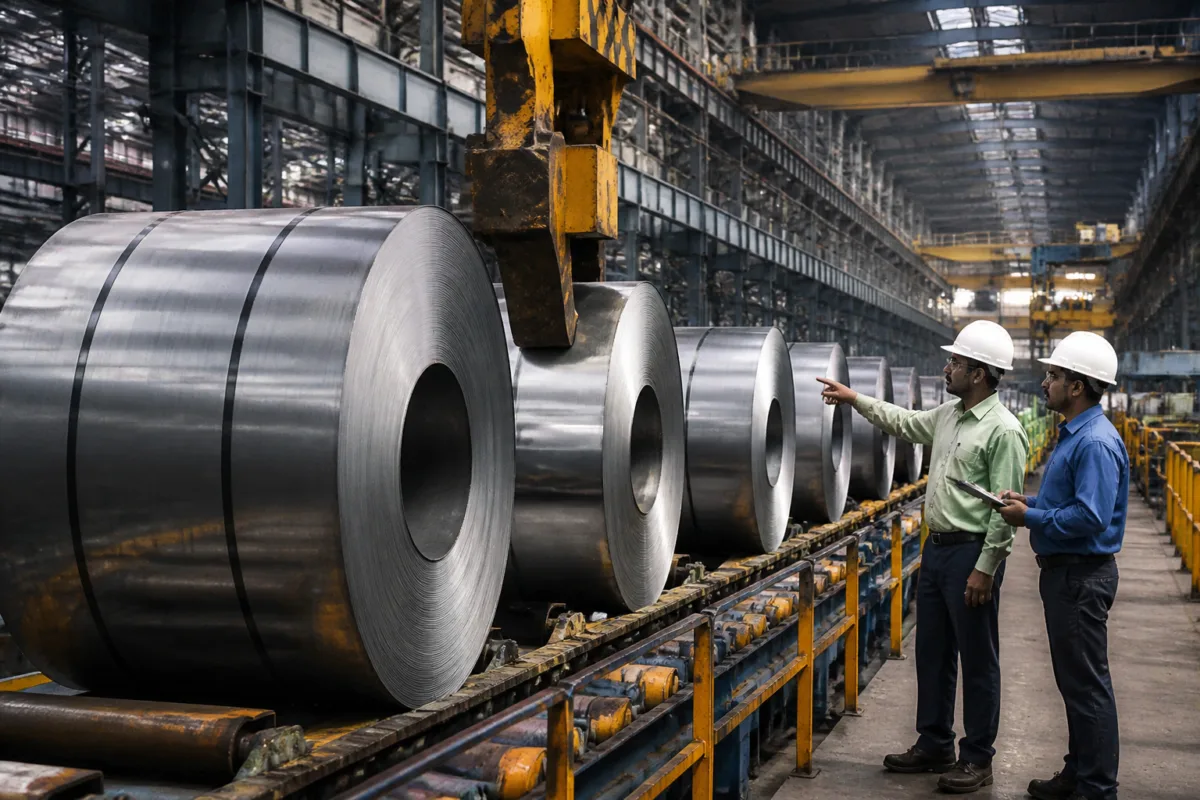
Cold-rolled steel is an industrial material used across manufacturing and construction-related supply chains. Changes in its trade treatment can affect exporters’ access to overseas markets and the commercial conditions faced by producers and buyers. The immediate impact of the European measure, however, will depend on how Indian companies respond to the duty and how the trade develops under the new rates.
The Indian Steel Association represents major public- and private-sector steel companies. Its executive members include integrated steel producers with annual capacities of at least five million tonnes each, including JSW Steel, Tata Steel, Steel Authority of India Ltd, ArcelorMittal Nippon Steel India and Jindal Steel. The association also has 11 affiliate members.
The European Commission’s definitive duties now form the operative trade measure for the covered cold-rolled flat steel imports. The association’s objection places the calculation of production costs and the use of the particular-market-situation provision at the centre of the Indian industry’s response.

