


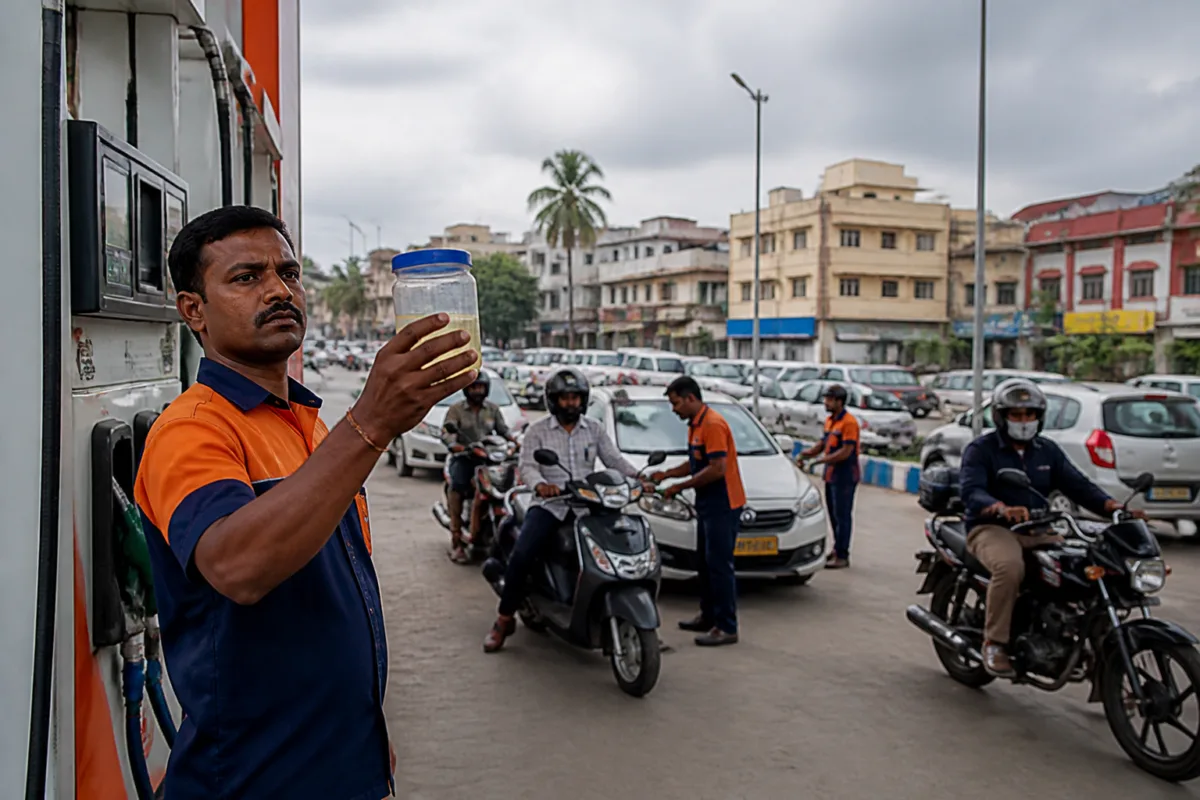
D K Shivakumar has challenged BJP leaders to respond to allegations that petrol supplied in Karnataka contained excessive ethanol before protesting against rising fuel prices, claiming that the alleged blending has affected vehicles across the state.
Reacting in Mysuru to a BJP protest in Bengaluru over price increases, Shivakumar said the opposition demonstration was political and questioned why the party had not protested when the Centre increased fuel prices. His remarks were reported by Prajavani on November 11.
Shivakumar alleged that ethanol had been mixed with petrol at 30% instead of the 20% level referred to in the report. He claimed that the alleged increase had caused problems for crores of vehicles in Karnataka, including engine damage and financial losses for vehicle owners.
The allegation places fuel quality and vehicle compatibility at the centre of a political dispute that could affect motorists, transport operators and other petrol users. The report did not include an independent technical assessment of the alleged ethanol concentration or confirm the extent of vehicle damage claimed by Shivakumar.
Shivakumar said the state’s food minister had arranged tests at 67 locations to examine the issue. According to his statement, the samples and related evidence had been brought to the Centre’s attention. He also questioned who would be responsible if adulterated or improperly blended fuel had been supplied to residents of Karnataka.
He said Union ministers had denied the allegations, but maintained that the state possessed samples as evidence. The report did not identify the ministers who allegedly rejected the claim, provide laboratory findings, or specify the fuel outlets and locations covered by the 67 tests.
The dispute comes as political parties exchange allegations over fuel prices and ethanol blending. Ethanol is used in petrol as part of India’s fuel-blending policy, but the impact of any blend depends on fuel specifications, vehicle compatibility and compliance with prescribed quality controls. The report did not provide details of the applicable supply batches, testing methodology or the vehicles allegedly affected.
Shivakumar also said the state government had prepared a first list of 500 nominees for boards and corporations. He stated that the appointments would take place in three stages and that the list would be released soon after receiving his signature. He added that senior Congress legislators should receive suitable opportunities on the boards and corporations.
The next steps in the ethanol dispute will depend on the release of the state’s test findings and any response from central authorities. No laboratory report or formal regulatory action was included in the report.

