


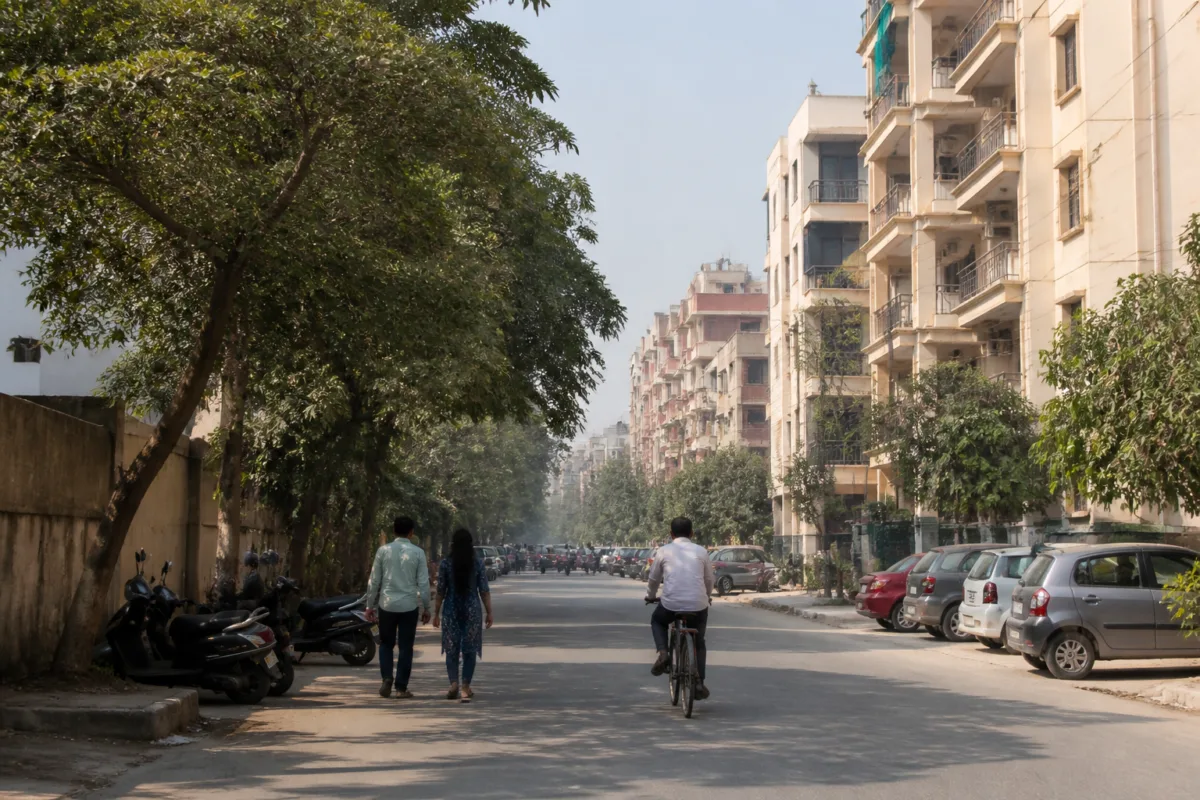
Delhi has not yet experienced the sharp winter chill usually associated with November, with night temperatures reported at about 15°C to 18°C during the month, compared with approximately 14.3°C at the same time last year, according to a Jagran report published on November 21, 2026.
The report said the current temperatures were around 4°C to 8°C above normal and that the India Meteorological Department (IMD) expected relatively warm conditions to continue over the next few days. It attributed the delayed onset of colder weather to weak western disturbances, climate change, the urban heat-island effect and the influence of El Nino.
The report further said that IMD forecasts and climate models indicated the possibility of a less cold and shorter 2026-27 winter, linking that outlook primarily to what it described as a strong El Nino in the Pacific Ocean.
For Delhi-NCR, warmer nights can have implications beyond seasonal comfort. The urban heat-island effect refers to the tendency of built-up areas, roads and other hard surfaces to retain and release heat, potentially making cities warmer than surrounding areas. The supplied report, however, does not provide a detailed comparison of temperatures across different parts of the capital or quantify the contribution of urbanisation to the current conditions.
The report also does not cite a specific IMD bulletin, model output or dataset supporting the projected duration and intensity of the winter. Those documents would be needed to independently assess the forecast, the role of El Nino and the relative contribution of local urban heat retention. Until that evidence is reviewed, the explanation for Delhi’s delayed winter remains an attributed account rather than a fully verified assessment.

