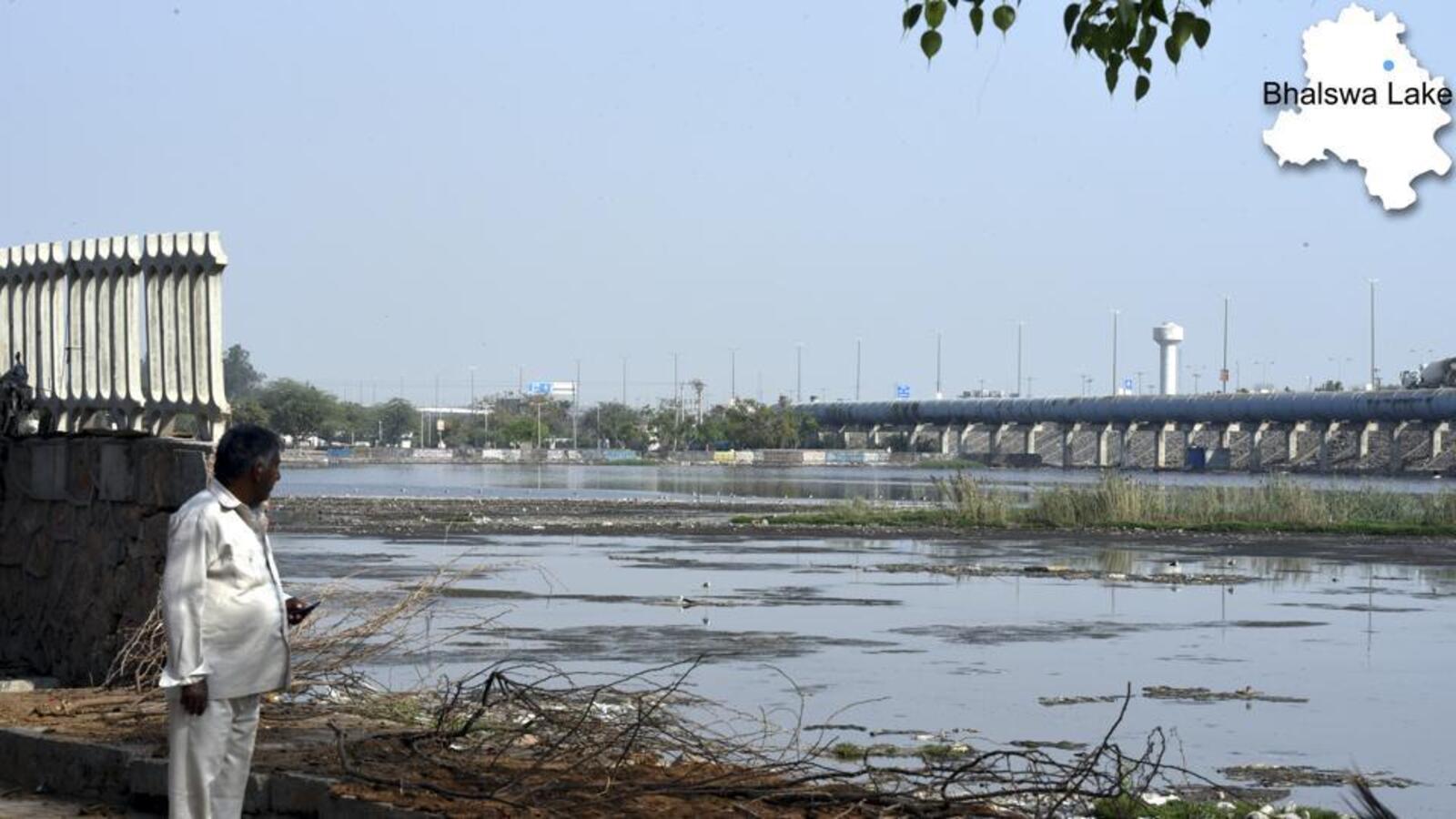
Delhi is preparing an ambitious urban water restoration exercise aimed at reviving 77 neglected lakes, ponds and reservoirs before the arrival of the monsoon, in what could become one of the capital’s largest decentralised water management interventions in recent years. The initiative comes at a time when the city continues to grapple with recurring summer water shortages, falling groundwater levels and severe monsoon flooding in densely populated neighbourhoods.
Urban planners say the revival of dormant water bodies could help Delhi improve rainwater retention while reducing pressure on overstretched drainage infrastructure. Officials associated with the project said the restoration programme will be implemented in phases over the next three months, with priority being given to severely degraded or completely dry reservoirs spread across outer and peripheral districts of the capital. The work includes desilting, excavation, strengthening embankments and improving catchment areas to increase rainwater absorption during peak monsoon weeks. The first phase is expected to focus on a handful of water bodies in north-western parts of Delhi, including rural and rapidly urbanising zones where natural drainage systems have weakened due to unplanned expansion and land-use changes. Subsequent stages will cover dozens of additional sites across the city. Experts in urban hydrology note that Delhi’s historic network of lakes and ponds once played a critical role in groundwater recharge and flood moderation.
However, decades of encroachment, sewage inflow and fragmented urban development have left many of these systems unusable. The renewed focus on Delhi waterbody revival reflects a broader shift in Indian cities toward climate-adaptive infrastructure rather than relying solely on concrete drainage projects. Environmental analysts believe the timing of the exercise is significant. Delhi has witnessed repeated incidents of waterlogging in recent monsoon seasons, disrupting transport corridors, residential areas and commercial districts. If restored effectively, decentralised water bodies can temporarily store excess rainwater and slow runoff entering stormwater drains. Authorities are also exploring ecological improvements around selected reservoirs, including green buffers, fencing and wastewater treatment support to prevent future contamination. Such interventions could improve urban biodiversity while creating accessible open spaces in heat-stressed neighbourhoods.
The restoration push coincides with changing weather patterns across the National Capital Region this summer. Intermittent rain spells and overcast conditions during early April helped moderate temperatures for brief periods, delaying extreme heat escalation. Meteorological records indicate the city experienced several rainy days at the beginning of the month before temperatures crossed 40 degrees Celsius in mid-April. Climate researchers say such fluctuations underline the growing need for cities to strengthen natural water retention systems capable of handling both heat stress and sudden rainfall events. Urban policy observers caution that long-term success will depend on sustained maintenance, sewage diversion and protection against future encroachments. While the current programme may offer immediate relief during the upcoming monsoon, Delhi’s larger challenge will be integrating restored lakes and ponds into a permanent climate resilience framework that supports water security, ecological balance and liveable urban growth.