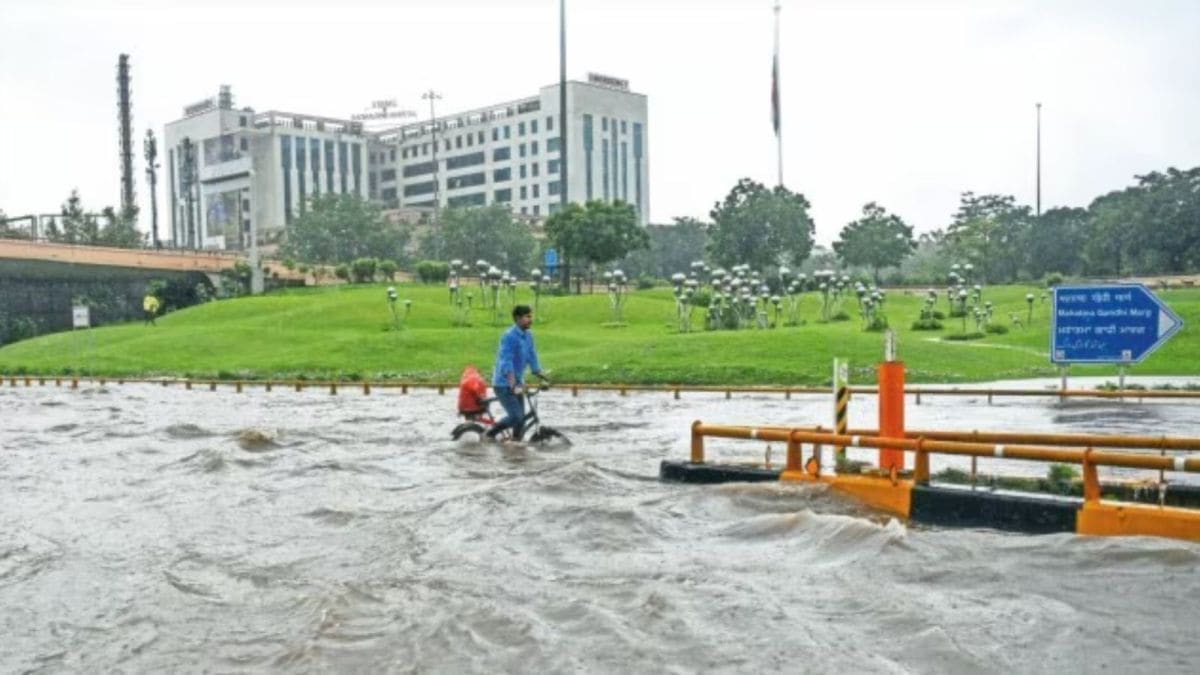
Delhi has launched the first implementation phase of its long-awaited drainage overhaul programme, committing more than ₹21,000 crore over the next three years to reduce chronic flooding, strengthen stormwater infrastructure, and prepare the capital for increasingly erratic monsoon conditions linked to climate change.
The initial phase of the Delhi drainage master plan, scheduled to run until 2028-29, will prioritise flood-prone corridors, ageing drains, and high-density urban stretches that routinely face severe waterlogging during heavy rainfall. The programme comes as the National Capital Region continues to witness sharper weather swings, including intense rain spells, hail activity, and fluctuating temperatures during pre-monsoon months. Senior government officials said nearly 60 drainage remodelling projects are expected to begin during the current financial year, with public agencies collectively allocating substantial capital expenditure towards rebuilding the city’s stormwater network. The largest investments have been assigned to the Public Works Department and the Municipal Corporation of Delhi, while other urban agencies including the irrigation department, civic utilities, and planning authorities are also participating in the rollout. The Delhi drainage master plan seeks to address long-standing structural weaknesses across nearly 19,000 kilometres of drains spread throughout the city. Urban planners have repeatedly warned that fragmented governance, unchecked concretisation, and shrinking natural water channels have intensified urban flooding across several neighbourhoods over the last two decades.
Key projects identified for early intervention include remodelling drainage systems in west and north Delhi, construction of trunk drains in rapidly urbanising outer districts, and upgrading stormwater corridors around transport and residential zones. Officials indicated that several contracts are expected to be awarded this month, with most projects targeted for completion before the 2027 monsoon cycle. The broader ₹57,000-crore framework divides Delhi into three hydrological zones Najafgarh, Barapullah, and Trans-Yamuna based on catchment behaviour and flood vulnerability. Infrastructure spending has been weighted heavily towards the Najafgarh basin due to its larger geographical spread and recurring water accumulation issues during peak rainfall periods. The initiative also marks a technical shift in how the city plans to build drains. Authorities have moved towards precast stormwater systems instead of conventional on-site construction methods, a transition expected to reduce construction timelines, minimise disruption on arterial roads, and improve durability.
The urgency behind the Delhi drainage master plan has increased after recent weather variations across NCR temporarily lowered temperatures but exposed the city’s fragile drainage response. Meteorological data showed multiple rainy days early in April delayed the onset of extreme heat, though temperatures later crossed 40 degrees Celsius as humidity levels rose. Residents and citizen groups, however, are demanding greater transparency around the execution roadmap. Several local welfare associations have raised concerns that flood-affected neighbourhoods remain uncertain about whether their areas are included in priority works. Urban governance experts say public disclosure of intervention maps, timelines, and monitoring mechanisms will be critical to ensuring accountability in a project of this scale. As Delhi expands and climate pressures intensify, the effectiveness of this infrastructure overhaul may shape not only mobility and public health outcomes, but also the capital’s long-term resilience against extreme weather events.