


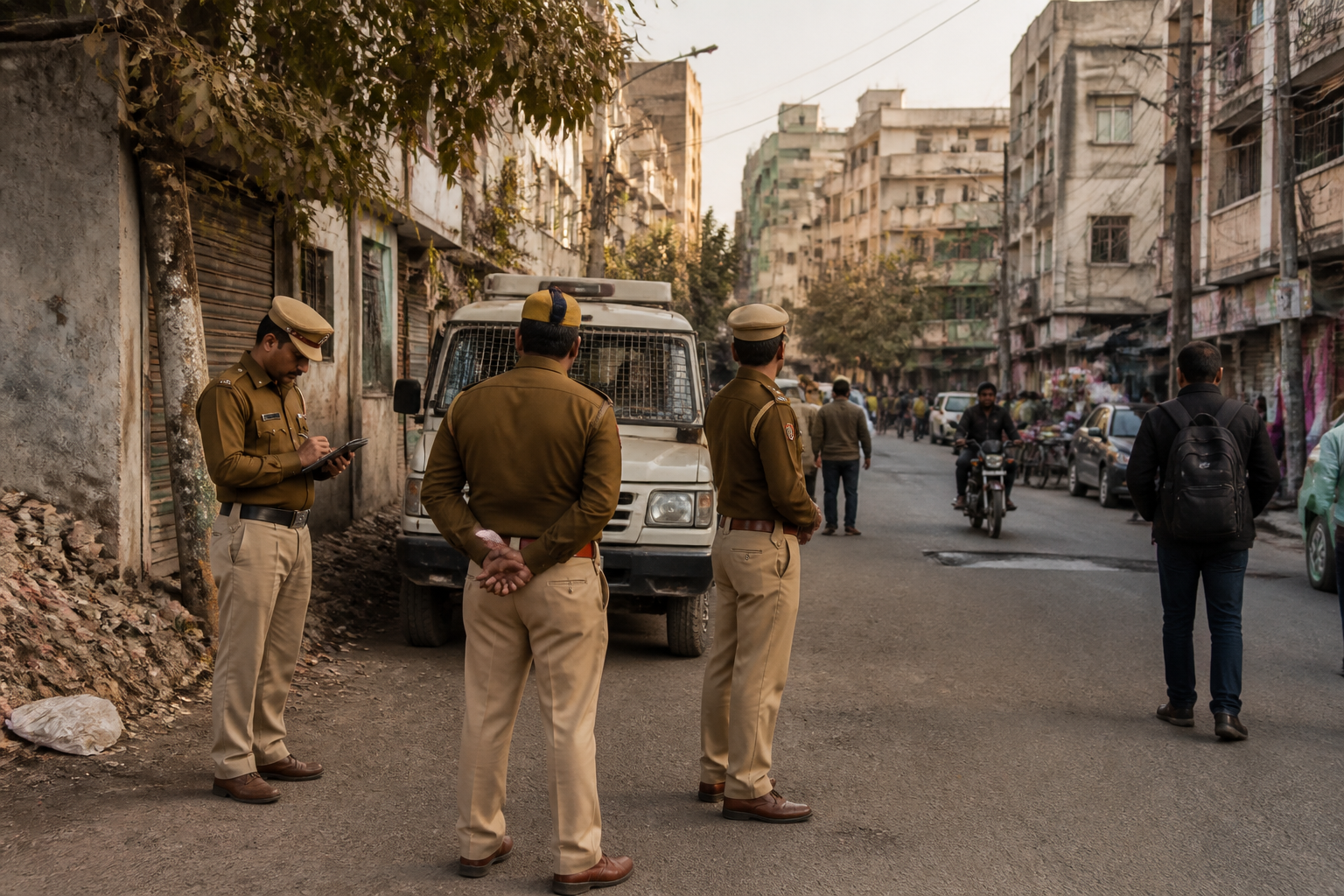
Delhi Police recorded a 16% rise in cases of organised and petty organised crime in the first five months of 2026, while arrests increased by 60% as officers used two new sections of the Bharatiya Nyaya Sanhita to target criminal networks rather than only individual offenders.
Cases registered under Sections 111 and 112 of the BNS rose from 634 between January and May 2025 to 736 during the corresponding period this year, according to Delhi Police data reported by the Times of India. Arrests increased from 769 to 1,232.
Section 111, which covers serious organised crime carried out by gangs or criminal networks for financial or material gain, was invoked in 166 cases until May this year, compared with 122 in the same period of 2025. Arrests in these cases rose sharply from 76 to 333.
Police also reported higher detection in organised crime cases. As many as 154 cases were solved until May this year, compared with 45 in the corresponding period last year.
Cases under Section 112, which deals with petty organised crime involving groups or gangs engaged in recurring offences, increased from 512 to 570. Arrests in these cases rose from 693 to 899, while the number of cases solved increased from 500 to 533.
A senior police officer described the provisions as a “mini-MCOCA”, referring to Maharashtra’s organised crime law, and said they were being used to dismantle criminal syndicates. The provisions cover networks involved in activities ranging from extortion and liquor trafficking to snatching and repeat cyber fraud.
According to the officers cited in the report, Section 112 can be used against different links in a snatching operation, including people who hire snatchers and those who dispose of stolen mobile phones. It can also apply to liquor traffickers and repeat cyber fraud operators who provide mule accounts or transfer illicit funds for overseas scammers.
The police said the provisions were being used against repeat offenders who allegedly continued criminal activity despite having been jailed several times. The focus on networks means investigators can pursue the wider structure behind recurring offences, rather than treating each incident as an isolated case.
Police officers also said that local residents were sometimes reluctant to file complaints against people involved in criminal activity. That reluctance, they said, made it difficult to disrupt networks operating within neighbourhoods. Officers further said that invoking the provisions could strengthen cases during bail proceedings, as courts take a serious view of offences registered under the sections.
The new provisions can also lead to prolonged jail terms, according to the officers cited. Delhi Police’s reported next step is to continue invoking Sections 111 and 112 against organised networks involved in repeat offences, with case detection and arrests remaining the immediate indicators of enforcement under the new law.
