


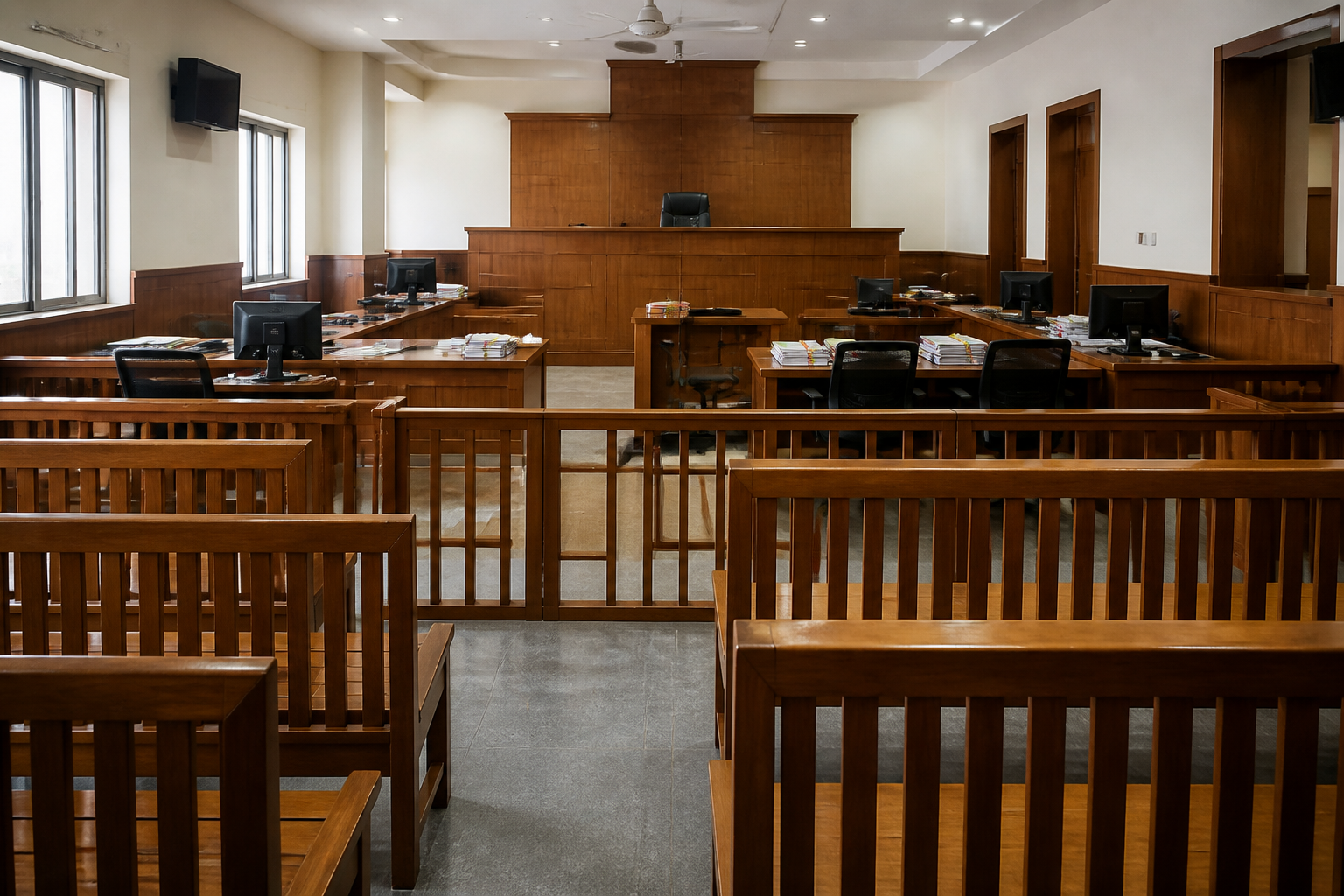
Delhi’s 53 newly constituted fast-track special courts have moved closer to full operation after Lieutenant Governor Taranjit Singh Sandhu approved the creation of 427 auxiliary posts, with a financial impact of Rs 37.37 crore.
The posts will support courts created under the Delhi Higher Judicial Service, according to officials cited in the report. The approval covers a range of administrative and operational roles required for the courts to function, including court readers, stenographers, ahlmads, assistant ahlmads, drivers and multi-tasking staff.
The approved positions include 58 readers, 58 senior judicial assistants, 58 senior private assistants or stenographers, 58 private assistants or stenographers, 58 ahlmads, 58 assistant ahlmads, 20 staff car drivers and 117 multi-tasking staff. A 10 per cent leave reserve has been included across the categories.
The courts were constituted for the establishment of fast-track special courts, and officials said the creation of supporting staff would ensure their full and effective operation. The 53 entry-level Delhi Higher Judicial Service judicial posts for these courts had already been created, according to the report.
The proposal was examined by the Administrative Reforms Department in consultation with the Law Department before being recommended for approval. The Finance Department subsequently assessed its financial implications and accepted the proposal at a cost of Rs 37.37 crore.
The financial approval also carries a condition concerning Delhi’s existing courts. The Finance Department directed that 243 vacant auxiliary posts for the city’s 415 existing courts should be filled on priority before the newly sanctioned posts are operationalised. This links the expansion of fast-track courts to the staffing gap already present in the wider court system.
The decision therefore involves two parallel administrative requirements: providing support staff for the 53 new courts and addressing vacancies in the existing network. Court functioning depends not only on the creation of judicial posts but also on the availability of staff responsible for records, courtroom assistance, stenography, movement of files and other routine operations.
The approval follows the creation of the judicial positions for the fast-track special courts and is intended to complete the staffing framework needed for their operation. The next administrative step is the creation and filling of the approved auxiliary posts, alongside the priority filling of the 243 vacancies in the existing courts.
