


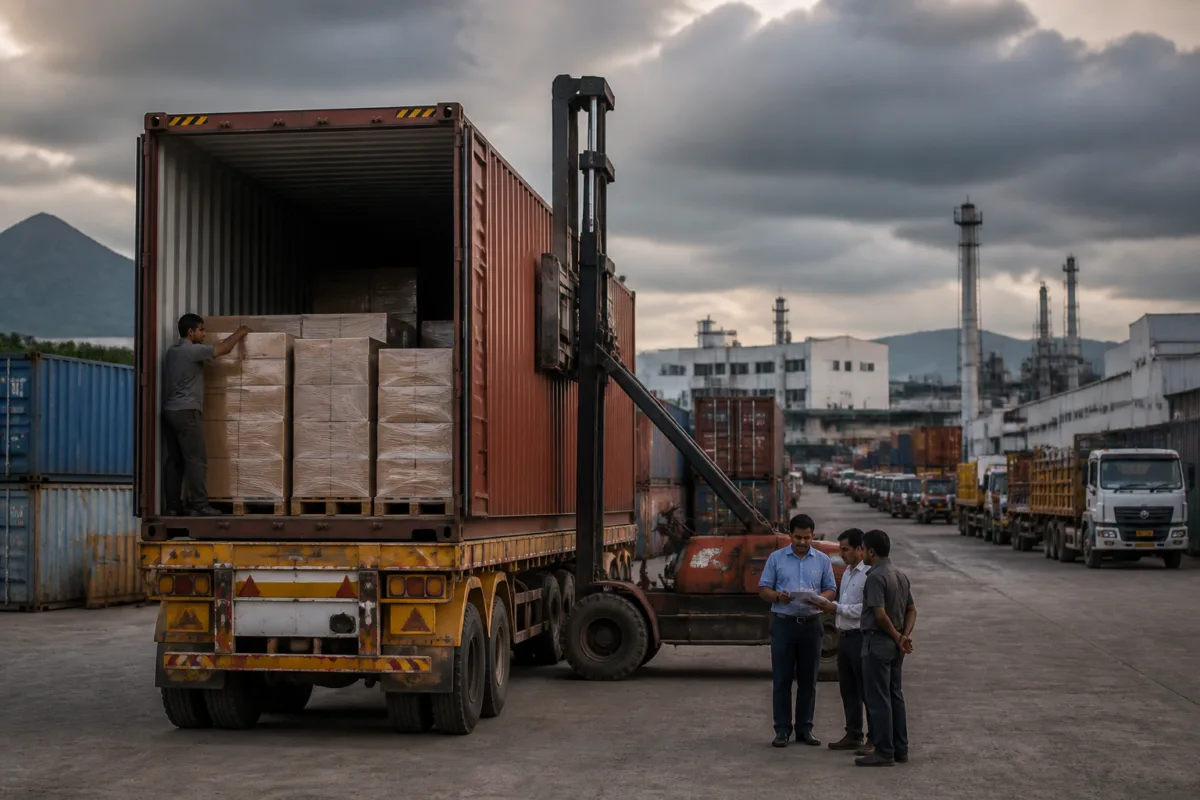
Coimbatore and other Kongu-region exporters are facing higher freight and raw material costs, container shortages and uncertain delivery schedules as the continuing West Asia crisis disrupts maritime logistics, industry representatives said. The disruption has increased working capital requirements for manufacturing units and raised concerns about cancelled orders and declining export competitiveness.
The Indian Chamber of Commerce and Industry (ICCI), Coimbatore chapter, has asked the Federation of Indian Chambers of Commerce and Industry (FICCI) to take up the concerns with the Centre and seek urgent relief for exporters dependent on uninterrupted shipping. ICCI Coimbatore chapter president C Dorairaj said the crisis had affected the availability and pricing of petroleum-linked raw materials, increasing input costs and reducing the operating capacity of manufacturing units.
The disruption has forced vessels to take longer routes and contributed to congestion at alternative ports and transhipment hubs. Industry representatives said marine insurance premiums, freight charges and conflict-related surcharges had also increased, while delivery schedules had become less predictable. The government has acknowledged the impact of longer sailing routes, congestion at transhipment hubs and additional charges linked to the conflict, they said.
Exporters have reported sharp increases on key routes to the United States. A 40-foot reefer container from Tuticorin to New York, which earlier cost about $5,500, is now reportedly costing nearly $10,000. Freight from Visakhapatnam to the US West Coast, including Los Angeles, has risen from around $6,000 to $11,000, according to industry representatives.
K V Karthik of the Indian Pump Manufacturers Association said container shortages, freight rates that were three times higher and uncertain transit times were making it difficult for exporters to meet delivery commitments. The affected businesses include manufacturing units in a region whose export trade depends on reliable maritime connections and predictable logistics costs.
Industry representatives said prolonged disruption could lead to order cancellations, loss of customer confidence, reduced export competitiveness and deferment of new orders. Exporters have also raised concerns over unexpected charges imposed by Non-Vessel-Operating Common Carrier operators, shipping agents and consolidation agents beyond agreed freight rates.
Disputes over such charges can result in delivery orders being withheld, leaving cargo stranded at destination ports. Exporters may then face demurrage, container freight station rent, port storage costs and reefer plug-in charges, adding to the financial pressure created by higher freight rates and longer transit times.
The ICCI has sought measures to improve container availability, rationalise freight rates and regulate additional charges imposed by logistics intermediaries. Its demands also include a pan-India grievance redressal mechanism, priority handling for reefer and perishable cargo, relief from disruption-related charges, extended repayment schedules for export loans and enhanced export support.
The industry body has urged FICCI to present these concerns to the Centre. The next steps will depend on the response from the Union government and on measures taken to address container availability, freight charges, cargo handling and exporter financing during the continuing disruption.

