


New Delhi | September 9, 2026
Indraprastha Gas Limited (IGL) will stop dispensing CNG to vehicles that do not carry a valid hydro-test certificate, as the gas distributor begins a special safety drive across its stations in Delhi-NCR. The checks follow directions from the Petroleum and Explosives Safety Organisation (PESO) after a recent cylinder blast at a retail outlet in the capital killed three people and injured two.
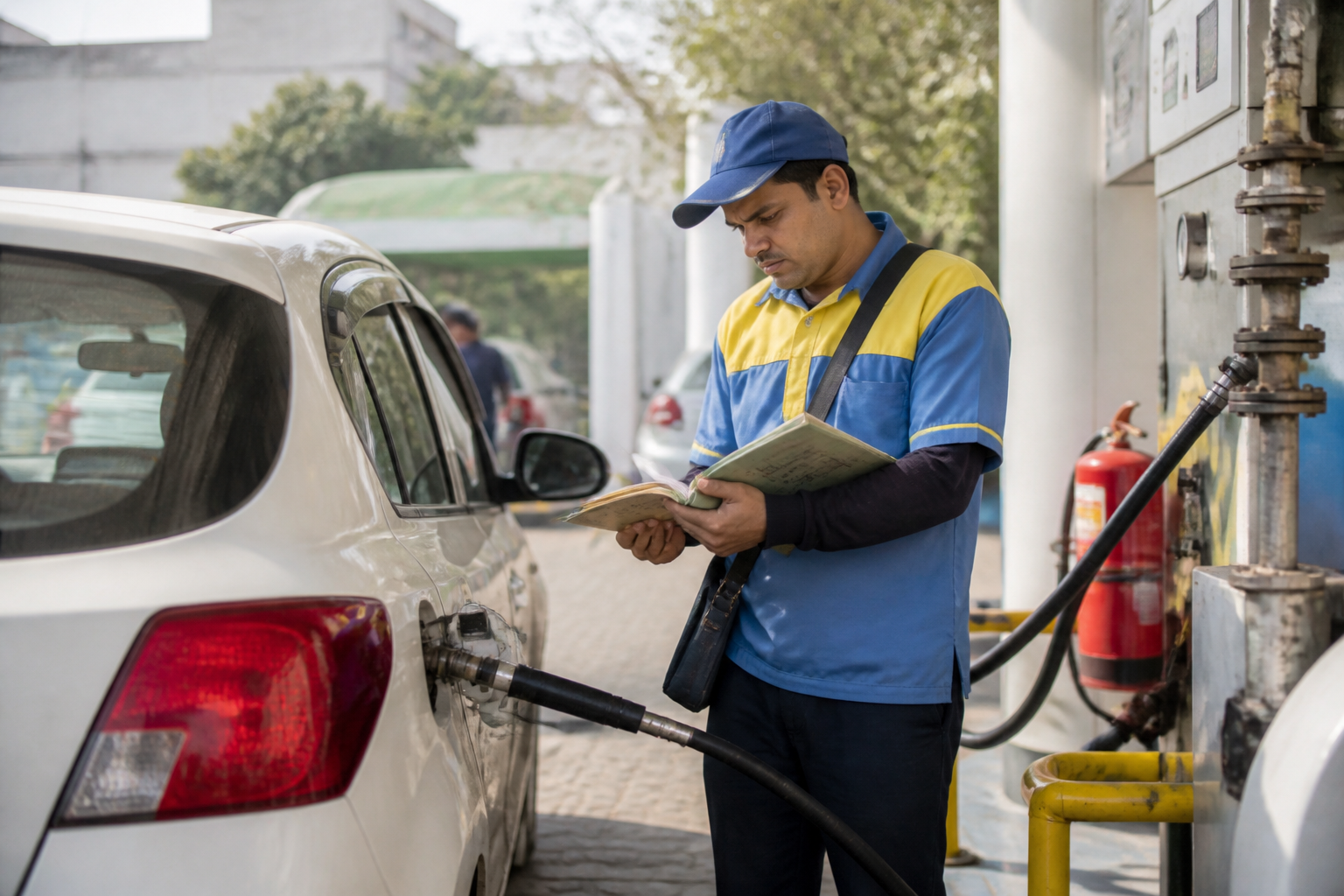
IGL said staff at its CNG stations would verify the validity of hydro-test certificates before dispensing fuel. Vehicles without the required certificate will not be refuelled under the enforcement drive.
“CNG will not be dispensed if a valid hydro-test certificate is not available in the vehicle. Customers are requested to get their CNG cylinders tested on time and always carry the valid certificate in the vehicle,” IGL said in a statement.
The requirement is linked to Rule 35(1) of the Gas Cylinder Rules, 2025. Under the rule, every CNG cylinder must undergo a hydrotest once every three years at a cylinder-testing centre approved by PESO. The test is intended to verify whether a cylinder continues to meet the required safety standards.
PESO directed city gas distribution companies to strengthen enforcement at CNG stations across Delhi-NCR following the cylinder blast last month. The directions require fuel stations to ensure that CNG is dispensed only to vehicles equipped with cylinders meeting approved standards and carrying valid hydro-test certificates.
The regulator has also instructed gas distribution companies to display prominent safety signage at CNG outlets. The signs are intended to inform vehicle owners about the testing requirement and the conditions for receiving CNG.
The enforcement will affect owners of CNG-powered cars, three-wheelers, buses and other vehicles that use compressed natural gas. Vehicle owners will need to ensure that their cylinders have been tested at a PESO-approved facility and that the valid certificate is available in the vehicle when they visit a station.
The directions place the verification responsibility at the point of fuel dispensing. IGL’s station staff will check the certificate as part of the refuelling process, meaning vehicles with expired or unavailable documentation may be denied access to CNG until the requirement is met.
PESO’s intervention follows the fatal incident at a CNG retail outlet and is aimed at preventing further incidents involving cylinders that may not meet approved safety requirements. The regulator’s directions apply to city gas distribution companies operating CNG stations across the Delhi-NCR region.
IGL has asked customers to complete the required hydrotest within the prescribed three-year interval and keep the certificate in their vehicle. The company’s special safety drive is now being conducted at its CNG stations.
