


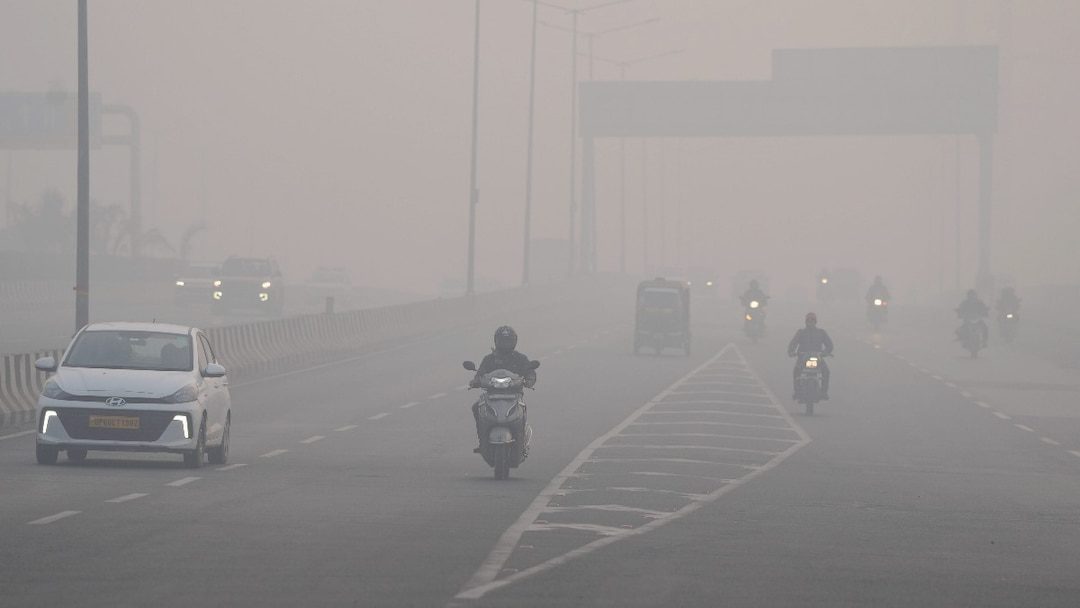
In Chennai, fluctuating weather patterns are beginning to influence urban emission levels, offering insights into how climate variability intersects with pollution trends.
Recent observations indicate that a mix of rainfall and sunshine has contributed to moderating emission concentrations, highlighting the complex relationship between meteorological conditions and air quality in dense urban environments.Environmental experts note that rainfall can temporarily reduce airborne pollutants by washing particulate matter out of the atmosphere, while clearer skies and sunlight can aid dispersion under certain conditions.However, these effects are often short-lived and do not address the underlying sources of emissions, such as vehicular traffic, industrial activity, and construction.The situation in Chennai reflects a broader pattern across Indian cities, where seasonal and daily weather changes can significantly alter pollution readings.Urban planners caution that relying on favourable weather to manage air quality is not a sustainable strategy.Instead, structural interventions—such as improving public transport, regulating emissions, and promoting cleaner energy—are essential for long-term impact.From a policy perspective, understanding the interaction between weather and emissions can help refine monitoring and response systems.
Data-driven approaches that integrate meteorological inputs with pollution tracking can enable more accurate forecasting and targeted interventions. This is particularly relevant for cities aiming to meet air quality standards while managing rapid urban growth.There are also implications for climate resilience. As climate change leads to more unpredictable weather patterns, cities may experience greater variability in air quality.This could complicate efforts to maintain consistent environmental standards, especially during extreme conditions such as heatwaves or heavy rainfall events.Experts emphasise that urban design plays a role in mitigating emissions. Increasing green cover, enhancing ventilation corridors, and reducing congestion can help improve air circulation and lower pollution levels. In Chennai, where coastal geography already influences wind patterns, integrating such strategies into planning could amplify natural advantages.The findings also highlight the importance of continuous monitoring and public awareness. Citizens often perceive improvements in air quality during rainy periods as a sign of progress, but experts stress that these are temporary fluctuations rather than indicators of sustained change.
As Chennai continues to expand, aligning urban development with environmental management will be critical. While weather patterns may offer short-term relief, long-term emission reduction will depend on systemic changes in mobility, energy use, and infrastructure planning—ensuring that cleaner air is not left to chance but built into the city’s growth trajectory.
Also Read:Bengaluru electricity bills set to rise from May
