


Chennai’s civic agencies are expanding inspections and public outreach on rainwater harvesting as the city’s reservoirs hold 41% of their total capacity and groundwater levels have fallen from last year, according to Greater Chennai Corporation Commissioner G S Sameeran.
More than 500 representatives of residents’ welfare associations, non-governmental organisations and civic groups attended an awareness programme at Ripon Building on Thursday. The programme was part of the ‘Thuli’ campaign, launched by chief minister C Joseph Vijay on Oct 21 and being implemented by the Greater Chennai Corporation and Chennai Metro Water Supply and Sewerage Board.
Chennai requires 1,246 million litres of water a day, with about 80% drawn from surface-water sources. These include the Poondi, Puzhal, Cholavaram, Thervoy Kandigai and Chembarambakkam reservoirs.
Sameeran said the groundwater level was at a depth of 5.6 metres, which he described as too low for November. The campaign aims to improve awareness and increase groundwater levels through functioning rainwater harvesting systems.
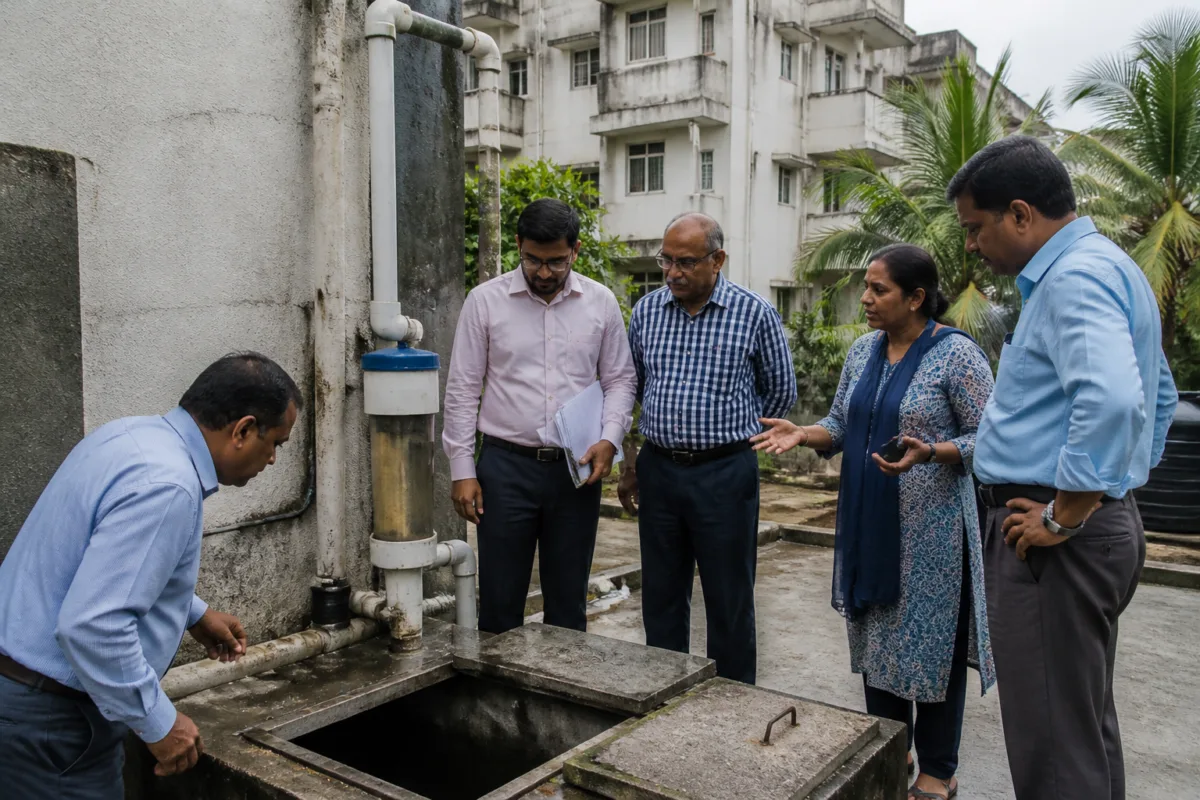
Over the previous month, Metro Water officials inspected more than 347 apartment complexes and found working rainwater harvesting systems in 307 of them. The inspections assessed whether the systems operated effectively, rather than merely checking whether structures had been installed, Sameeran said.
The city has 17 lakh assessments covering households and commercial complexes. The corporation’s stated aim is to have at least 80% of rainwater harvesting systems functioning across Chennai. Inspections of rainwater harvesting structures are expected to be completed by December, while civic agencies hope the remaining northeast monsoon rains will replenish the reservoirs by then.
The half-day programme included sessions on constructing and maintaining rainwater harvesting systems. Its stated purpose was to help residents’ welfare associations apply the measures in their neighbourhoods.
Participants also pointed to an implementation challenge: the meeting allowed limited time for discussion and questions. Civic activist Satish Galley said future meetings should provide more time for interaction, feedback and discussion among stakeholders.
The inspection figures indicate that the immediate challenge is not only installing rainwater harvesting infrastructure but keeping it functional. For apartment residents and commercial property managers, that places maintenance and regular monitoring alongside construction as central parts of Chennai’s water-conservation effort.

