


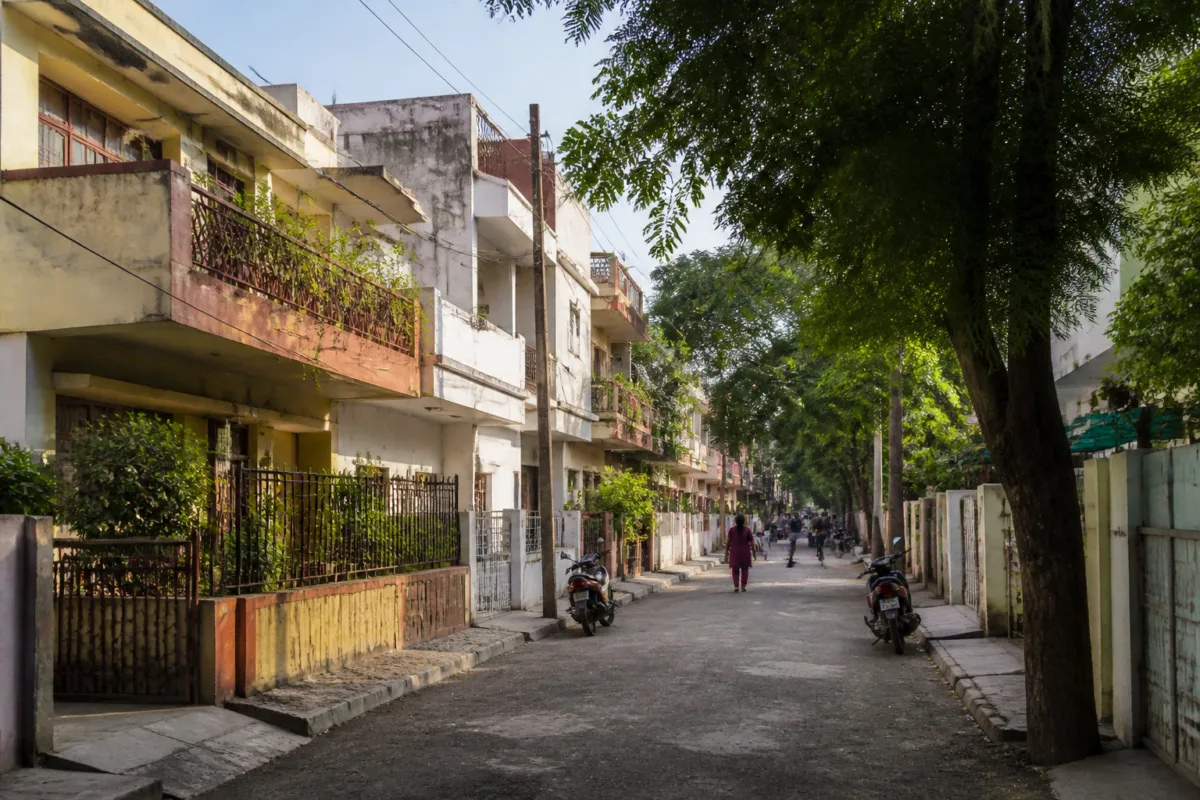
The Chandigarh Administration’s notification of the Chandigarh Rehabilitation Colonies Freehold Rights Rules, 2026 has opened a political dispute over who secured the decision and whether it will cover the people currently occupying homes in the city’s rehabilitation colonies.
The decision is expected to affect thousands of families living in relief and rehabilitation colonies. Chandigarh MP and former Union minister Manish Tewari said the notification represented the “conceptual recognition” of a campaign he had pursued for two years and five months to secure ownership rights for residents.
Tewari, however, questioned whether the rules would benefit current occupants who had acquired dwelling units through powers of attorney or other legally executable instruments used for property transfers over the past five decades. He said his demand had been to grant ownership rights to current occupants on an “as-is and where-is basis”.
The concern points to a wider tenure issue in the colonies: formal ownership under the new rules may not automatically settle claims arising from earlier transfers. Chandigarh Pradesh Congress Committee president HS Lucky said the ground reality was that more than 90 per cent of houses in the colonies had already changed hands. That figure was presented as a political claim in the report and was not accompanied by supporting administrative data.
BJP leader Sanjay Tandon rejected Tewari’s claim to credit for the decision. Tandon said the resolution followed sustained efforts by the BJP leadership in Chandigarh and referred to the approval of Union Home Minister Amit Shah, as well as the support of UT Administrator Gulab Chand Kataria. He said a first phase should be followed by the extension of ownership rights to other eligible beneficiaries, including power-of-attorney holders.
Other political leaders also responded to the notification. Shiromani Akali Dal Chandigarh president Charanjit Singh Villy welcomed the decision and sought the withdrawal of notices and cases related to minor violations. Chandigarh BJP general secretary Ramvir Bhatti described the move as a fulfilment of a public-welfare commitment.
For residents, the central issue is likely to be how the rules define eligibility, how previous transfers will be treated and what documentation will be accepted. The report does not provide the detailed provisions of the 2026 rules, the number of eligible households, or a schedule for processing applications. Those details will determine whether the notification resolves long-standing tenure insecurity or leaves a substantial group of current occupants outside the first phase.
The political dispute therefore coincides with an administrative test. Granting freehold rights can provide greater certainty to families in rehabilitation colonies, but the benefit will depend on whether the implementation framework addresses the ownership histories that have developed over decades. The Chandigarh Administration’s treatment of power-of-attorney holders and other transferees will be particularly important to the outcome.

