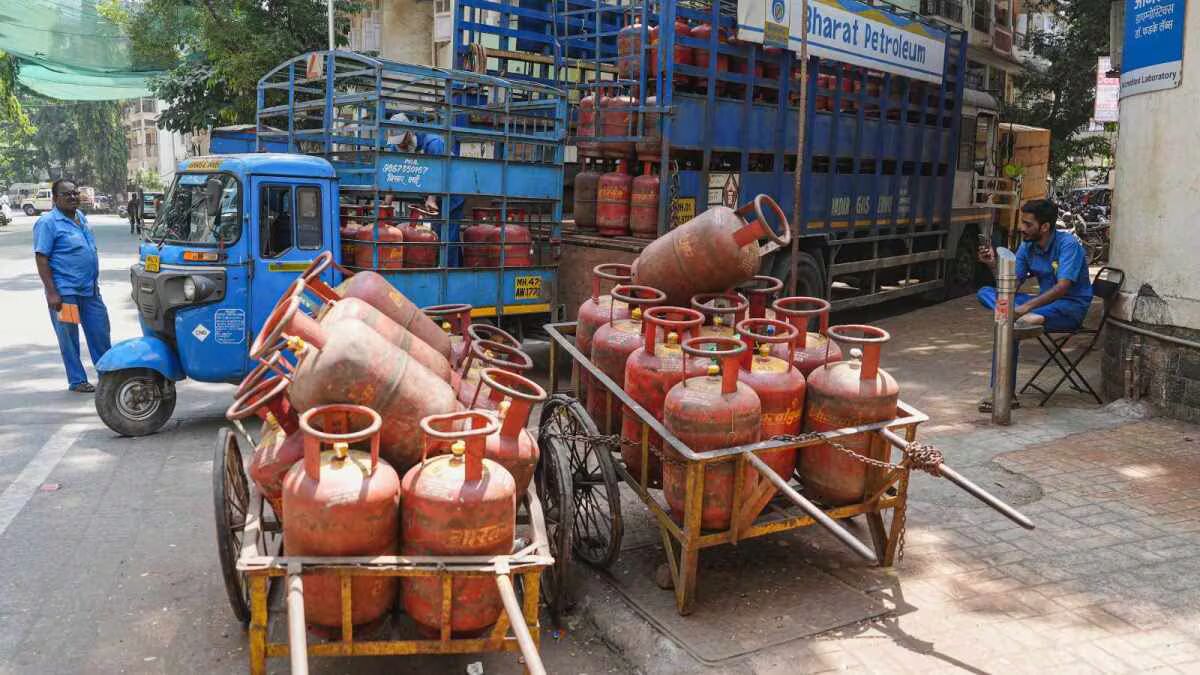
Chandigarh has initiated a time-bound transition from liquefied petroleum gas (LPG) to piped natural gas (PNG), with authorities mandating a three-month deadline for households in fully serviced areas to switch fuels. The move marks a significant shift in the city’s urban energy strategy, aimed at improving supply reliability while aligning with cleaner, pipeline-based fuel systems.
The directive applies to sectors where PNG infrastructure is already operational. Residents in these areas have been advised to migrate at the earliest, failing which LPG supply may be discontinued after the stipulated period. This transition is being driven under updated national gas distribution guidelines, which prioritise pipeline-based delivery in urban zones where infrastructure has reached maturity. The city’s PNG network has expanded significantly in recent months, with full coverage achieved across multiple sectors and partial availability in key residential and commercial zones. Authorities are also scaling outreach efforts through resident welfare associations and local service providers to accelerate adoption and reduce last-mile connection delays. From an infrastructure standpoint, the shift reflects a broader move towards decentralised and continuous energy systems. Unlike LPG, which relies on cylinder logistics and periodic refilling, PNG offers uninterrupted supply through underground pipelines, reducing distribution bottlenecks and urban freight movement.
Urban energy experts view the Chandigarh PNG expansion as part of a nationwide transition toward cleaner and more efficient fuel systems. With India seeking to reduce dependence on imported LPG and improve energy security, cities are being positioned as primary sites for pipeline-based networks. The Chandigarh model, with its defined timelines and sector-wise rollout, could serve as a template for other urban centres navigating similar transitions. The environmental implications are also significant. PNG is considered a lower-emission alternative to LPG, and its adoption supports broader climate goals by reducing carbon intensity in household energy consumption. Additionally, pipeline systems eliminate the need for cylinder storage and transport, improving safety and reducing risks associated with handling pressurised fuel. However, the transition is not without challenges. Adoption rates depend on affordability, connection accessibility and public awareness. In areas with partial coverage, residents must assess feasibility before switching, highlighting the need for coordinated infrastructure rollout and consumer support systems.
The Chandigarh PNG expansion also raises questions around equitable access. Ensuring that lower-income households and older residential areas are not left behind will be critical to achieving a uniform transition. Without inclusive planning, the benefits of cleaner energy systems may remain unevenly distributed. As the three-month countdown begins in serviced sectors, the coming quarter will test the city’s ability to execute a large-scale energy transition within tight timelines. The outcome could influence how Indian cities approach the shift toward integrated, low-emission urban utilities in the years ahead.