


The Central Consumer Protection Authority has fined ride-hailing platform Rapido ₹10 lakh for misleading advertisements, unfair trade practices, unfair contracts and dark patterns that encouraged riders to pay more while their bookings were still being processed. The authority is also examining similar practices involving Uber and Ola.
The action follows a sector-wide examination of cab and bike-taxi aggregator platforms, focused on pre-ride tipping and dynamic pricing. The CCPA said Rapido’s app displayed prompts including “Higher the price, higher the chance of getting a ride” and “Captains aren’t accepting at Rs 60. Try adding +10, +20, +30” before a ride had been confirmed.
According to the authority, Rapido first quoted a fare to a rider and then, after the booking was placed at that price, suggested that the rider pay more because drivers were allegedly not accepting the original amount. The CCPA held that the practice created a false impression that paying an additional amount would improve the likelihood of securing a ride quickly.
The authority classified the prompts as “Confirm Shaming”, one of the dark patterns identified under the Guidelines for Prevention and Regulation of Dark Patterns, 2023. Confirm shaming refers to interface design or messaging that pressures a consumer into taking an option by making the alternative appear less desirable or irresponsible.
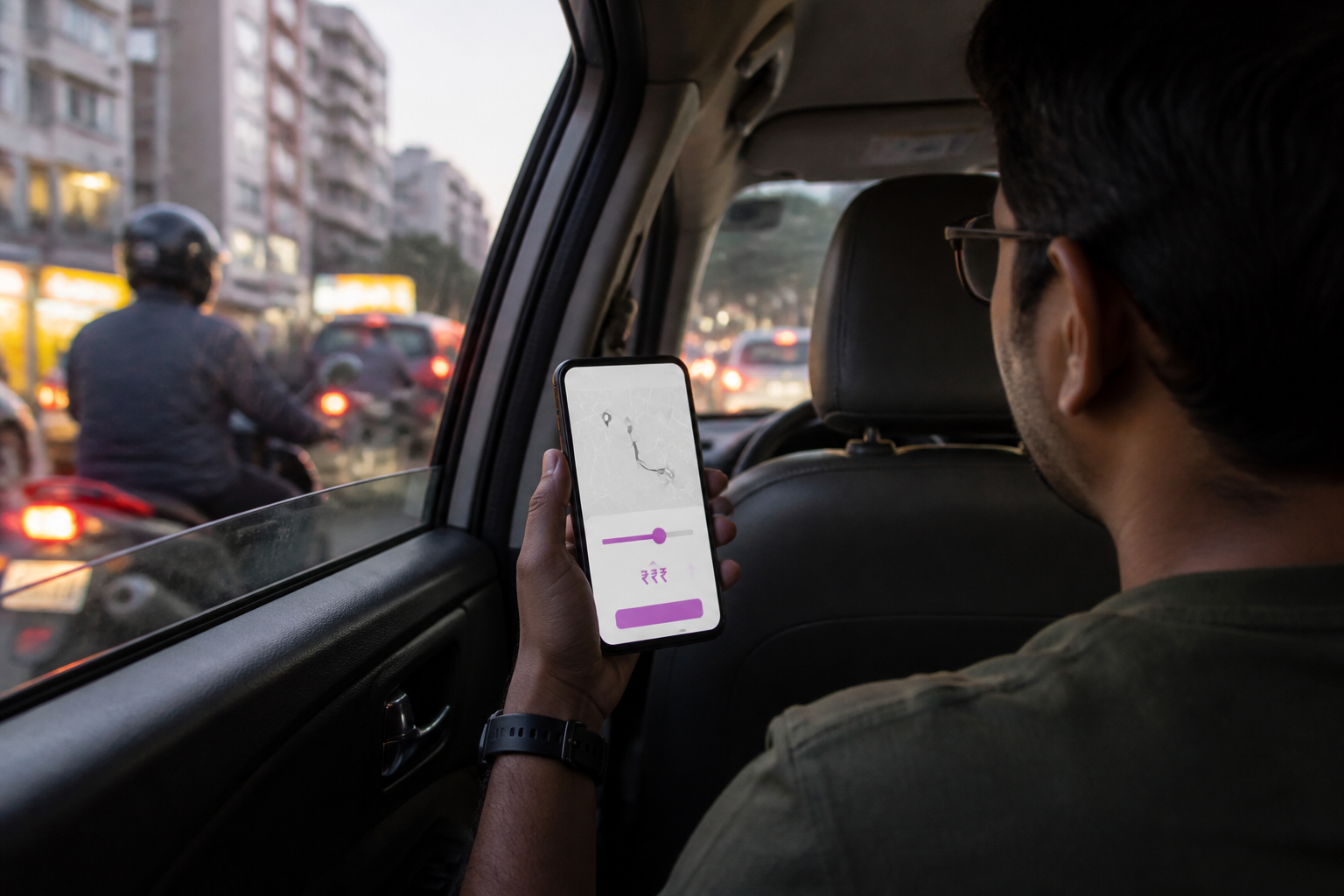
The CCPA also examined Rapido’s “Set your price” slider. It found that the interface used colour coding to influence the rider’s decision: increasing the price displayed a “higher chance of getting a ride” message in green, while lowering the price triggered a red or orange warning. The slider also gave users more room to increase the price than to reduce it.
The authority classified this design as “Interface Interference”, another dark pattern under the 2023 guidelines. It said the fare shown at the time of booking already considered factors such as distance, time, traffic, tolls and the amount payable to the captain. On that basis, it found no justification for subsequently suggesting an additional payment for the same ride before the journey had started.
The CCPA also referred to the Motor Vehicle Aggregator Guidelines, 2025, which require a tipping feature to be made available only after the ride has been completed. The authority noted that a tip is ordinarily a voluntary payment and held that presenting the additional payment request during the booking process placed pressure on riders at a point when they were dependent on the platform to secure transport.
Rapido argued that tipping was voluntary, that its matching algorithm continued to operate regardless of whether a rider paid more, and that the prompts reflected real-time negotiation similar to an offline conversation between a rider and a driver. The CCPA rejected those submissions. It also noted that Rapido had not placed data on record demonstrating that an additional payment actually increased the likelihood of a rider getting a booking.
The examination of Uber and Ola remains ongoing. The CCPA’s action against Rapido places the design of ride-booking interfaces, rather than only the final fare, under scrutiny as part of the consumer-protection framework for app-based urban transport.
