


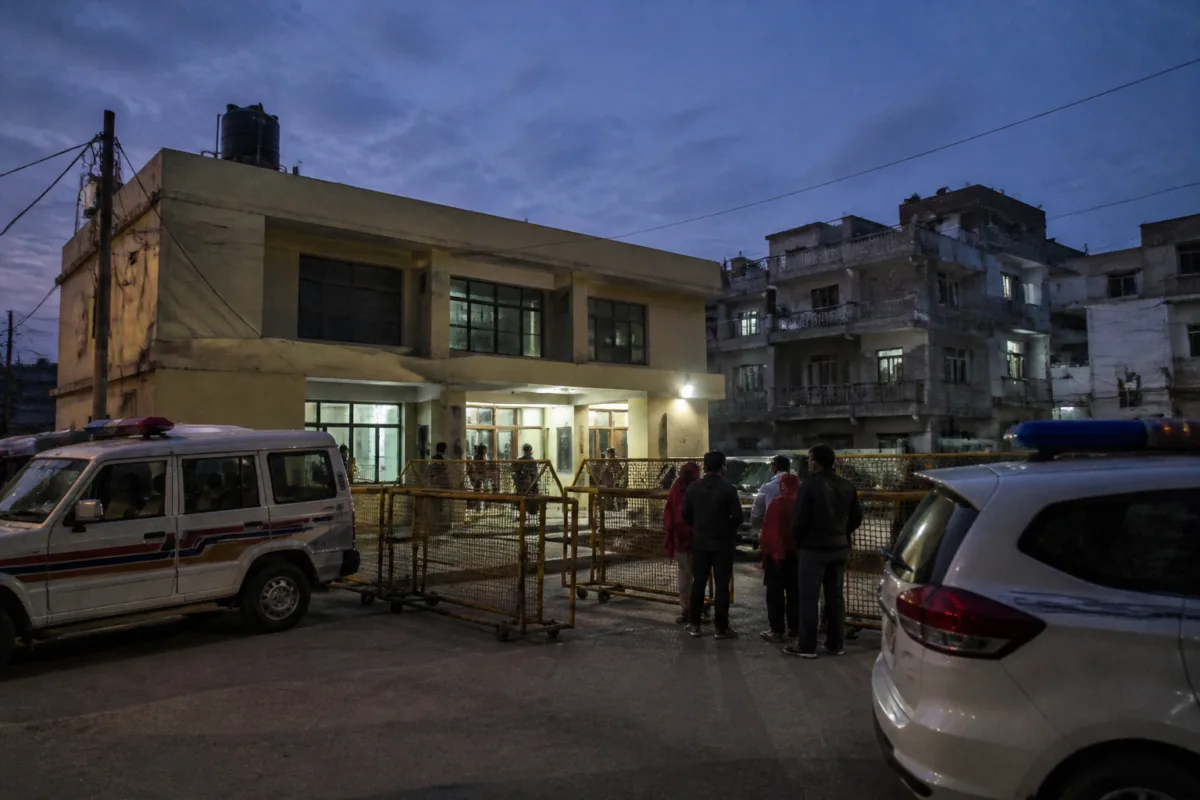
The Central Bureau of Investigation (CBI) has arrested Delhi Police assistant sub-inspector Ravinder Kumar for allegedly accepting Rs 70,000 from a complainant at Bhalswa Dairy police station, after allegedly demanding Rs 2 lakh to prevent the complainant and family members from being arrested in a criminal case.
According to the CBI, Kumar was posted at Bhalswa Dairy police station when the alleged transaction took place. The agency said the arrest followed verification of the complaint and a trap operation designed to catch the officer while accepting the alleged bribe.
The CBI said Kumar allegedly demanded Rs 2 lakh as consideration for ensuring that the complainant and his family members were not arrested. The Rs 70,000 allegedly accepted by the ASI was described as part payment of the larger amount.
The case places a police station at the centre of a wider governance question: how residents interact with public authorities when they face the possibility of arrest or criminal proceedings. In the reported case, the alleged demand was linked directly to the threat of arrest, making the interaction particularly significant for the complainant and the family members named in the agency’s account.
The CBI’s trap followed what the agency described as verification of the complaint. It then allegedly caught Kumar accepting the partial payment. The agency identified the arrested officer as an ASI posted at Bhalswa Dairy police station.
The reported allegations have not been established as a final finding of guilt. The arrest records the CBI’s action in the case and the allegations attributed to the agency. Further proceedings will determine the legal outcome and examine the circumstances surrounding the alleged demand and acceptance of money.
The incident also highlights the role of investigative agencies in cases involving alleged corruption within policing. The available account does not provide details of the complainant, the criminal case referred to in the alleged demand, or the next procedural steps after the arrest. It also does not state whether any other person has been accused in connection with the matter.
For residents, the immediate significance of the case lies in the alleged use of arrest-related authority as leverage for a payment. For the police system, the case brings attention to the need for allegations involving frontline personnel to be investigated through documented procedures. The CBI’s stated sequence—complaint, verification, trap and arrest—forms the basis of the action reported so far.
The next stages will depend on the investigation and subsequent legal proceedings. The CBI’s findings, along with any court record or official update, will establish how the case develops beyond the arrest.

