Casagrand has announced a large-scale villa development in Hyderabad’s Rajendra Nagar region, adding fresh momentum to the city’s expanding western and southern residential corridors where premium housing projects are rapidly transforming land use, mobility patterns and infrastructure demand. The 35-acre gated development forms part of the developer’s wider expansion strategy in Hyderabad, where its residential portfolio is projected to reach nearly 4 million square feet.
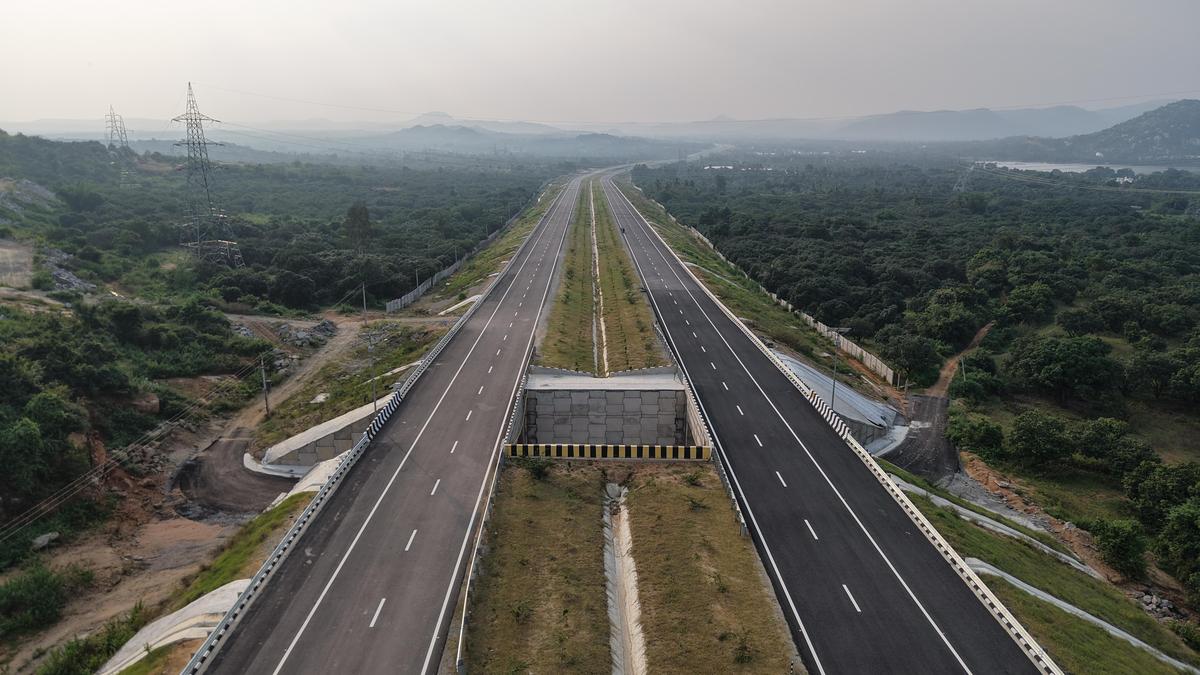
The Hyderabad villa project includes several hundred premium residences and reflects rising demand for larger homes in peripheral urban districts connected to major transport infrastructure. Real estate analysts say post-pandemic housing preferences have shifted significantly towards gated communities offering private open spaces, lower density layouts and integrated recreational facilities. Rajendra Nagar has emerged as one of Hyderabad’s fastest-growing residential belts due to its connectivity to the international airport, the Outer Ring Road and the PV Narasimha Rao Expressway. Urban development experts note that improved infrastructure access is steadily pushing real estate activity beyond traditional city centres into peri-urban zones where land availability remains comparatively higher. However, planners caution that rapid low-density housing expansion can intensify pressure on civic infrastructure if not aligned with long-term sustainability goals. Villa projects typically require larger land parcels, extensive road networks and higher water and energy consumption compared to compact urban housing formats. In Hyderabad, where groundwater depletion and heat stress are becoming recurring urban concerns, environmental specialists say future growth models will need stronger emphasis on resource efficiency and climate resilience. The Hyderabad villa project also underlines the increasing role of private developers in shaping the city’s evolving urban geography. Several developers have shifted focus towards large-format communities in airport-linked corridors, betting on rising demand from technology professionals, business owners and high-income migrants relocating to Hyderabad’s expanding commercial ecosystem. Casagrand stated that the project would include landscaped areas, clubhouse facilities and community infrastructure aimed at creating a self-contained residential environment. Industry observers say such developments are increasingly being marketed as lifestyle-oriented alternatives to dense apartment clusters in central urban districts. Urban researchers, however, argue that the city’s future liveability will depend on whether private residential growth is matched by investments in public infrastructure, water conservation and sustainable mobility systems.
Peripheral expansion without integrated transport planning can increase car dependency, commute times and environmental stress across metropolitan regions. The Rajendra Nagar corridor has already witnessed multiple township and villa proposals over the past few years, reshaping formerly semi-rural areas into high-value residential zones. Experts say Hyderabad’s next phase of urban growth will require a more balanced approach that combines economic expansion with inclusive planning, ecological protection and resilient civic infrastructure capable of supporting long-term population growth.