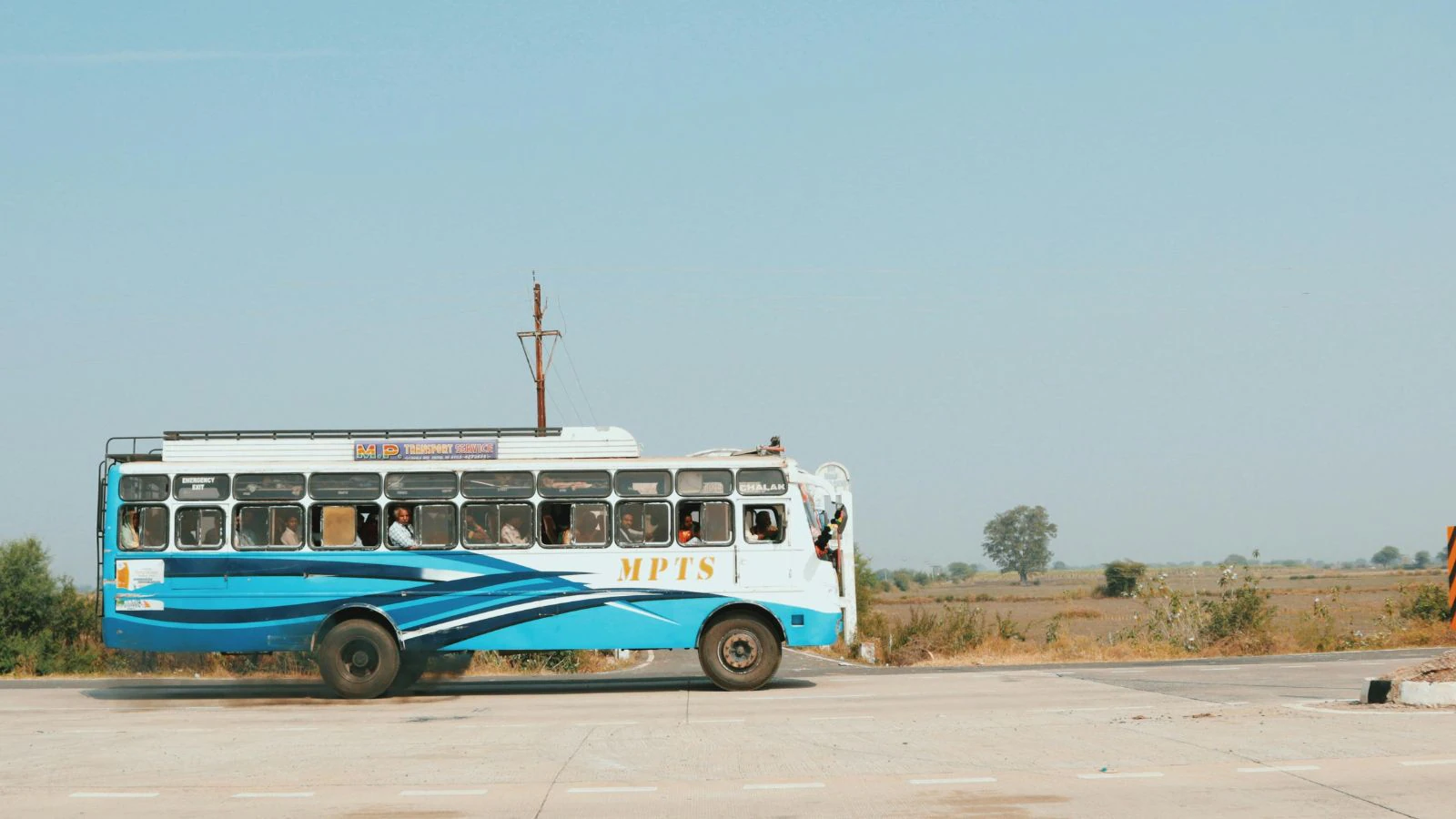
For the first time since October 2019, Hyderabad woke up to a city without buses. The visible relief — lighter traffic on some corridors — came at a brutal cost. Thousands of daily commuters, most of them women, students, and low-wage workers, were forced into autos, app cabs, and an already crowded metro. Fare surges followed immediately. Auto drivers charged double the usual rate. App-based cab prices climbed through the day. A passenger waiting at a broken bus shelter under 40-degree heat summed up the ordeal: no choice but to pay.
A student from Narayanaguda described waiting 40 minutes before realising no bus would come, then paying for an auto to the nearest metro station. Another commuter, travelling to a college on the outskirts, switched between metro and autos and still arrived late. The absence of buses exposed what urban planners call transport poverty — the inability to access reliable, affordable mobility. For Hyderabad’s IT corridor workers, carpooling was discussed but rarely executed. For everyone else, the day became a maths problem: double the fare or stay home. Women passengers faced a compounded crisis. The state’s Mahalaxmi scheme, which offers free bus travel to women, had become a lifeline. Without buses, those same women queued for shared autos and seven-seater vehicles — paying cash they hadn’t budgeted for. One auto driver reportedly told a woman passenger, “You’ve been travelling free for two years. Can’t you pay double just for today?” The remark, whether isolated or not, captured how quickly informal transport markets can turn public subsidy into private resentment.
The timing magnified the misery. Temperatures crossed 40 degrees Celsius. Broken bus shelters offered no shade. Commuters waited outdoors, sweating through cancelled plans and missed appointments. A senior transport analyst noted that strikes like this reveal the fragility of mono-modal systems. Hyderabad has expanded its metro, but last-mile connectivity remains auto-dependent. When buses stop, the entire network fractures. Some residents did enjoy clearer roads. But that cosmetic benefit masked a deeper truth: cities designed for cars feel peaceful only when the poor cannot move. The strike ended by nightfall, but the questions it raised — about fare regulation, contingency planning, and the dignity of public transport — will linger far longer.
Bus Strike Paralyzes Hyderabad As Fares Double Overnight