


Bhopal’s H1N1 tally has reached 82 after eight fresh cases were reported, while dengue infections in the city have crossed 150, prompting health officials and doctors to advise residents to take precautions during a period of changing temperatures, dust, pollen and smoke.
Chief medical and health officer Dr Manish Sharma said no patients were currently in critical condition. The health advisory is particularly relevant for people with asthma, other respiratory conditions and existing medical problems, who may be more vulnerable to seasonal changes and airborne irritants.
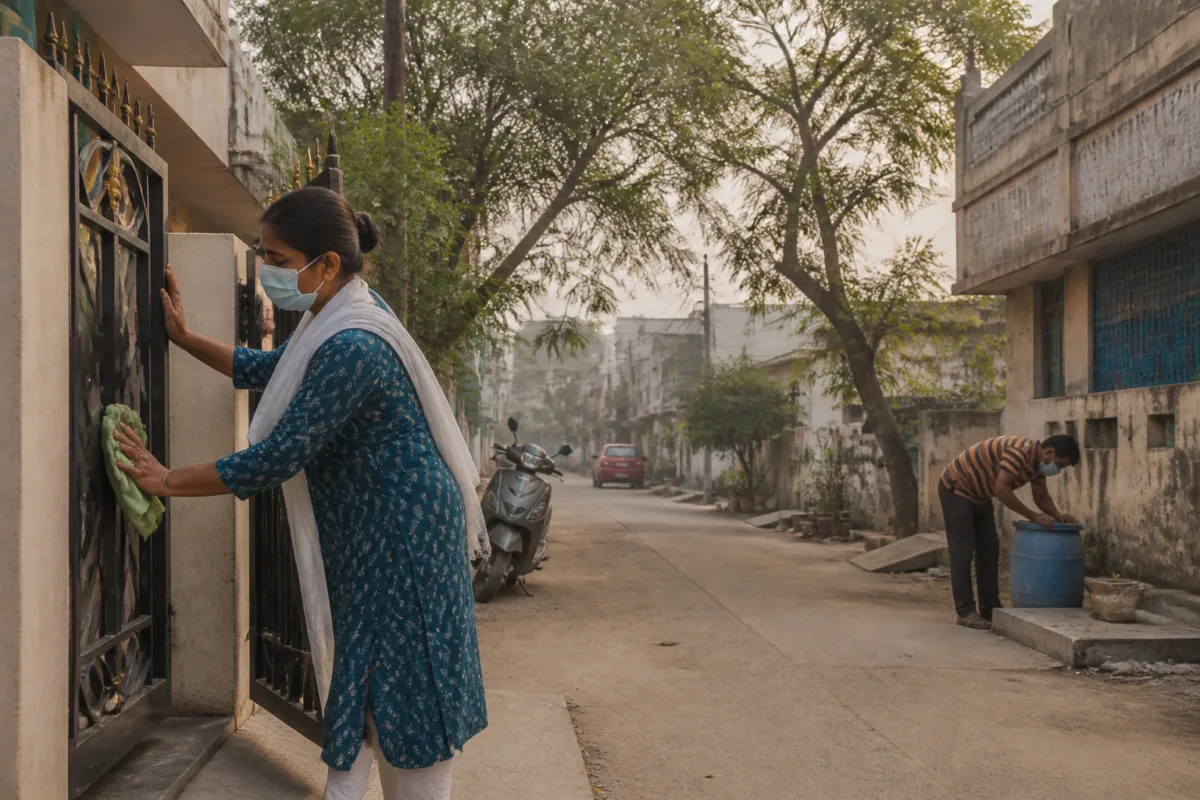
Doctors said dust released during Diwali-season cleaning can worsen respiratory symptoms. Cleaning cupboards, curtains, fans and furniture may stir up fine particles, which can trigger coughing, sneezing, a runny nose, chest tightness and breathlessness among sensitive people.
The pulmonary outpatient department at Gandhi Medical College is seeing around 150 to 170 patients daily, according to the report. Approximately 100 of these cases were reportedly linked to changing weather conditions. GMC pulmonologist Dr Lokendra Dave advised people with asthma and other respiratory ailments to remain cautious during seasonal transitions.
Dr Dave said exposure to dust can aggravate existing symptoms, while pollen, smoke and cold air may further irritate sensitive airways. Residents have also been advised to avoid firecracker fumes, cigarette smoke, incense and strong fragrances, and to limit outdoor exercise when dust and pollution levels are high.
Doctors recommended using a well-fitting N95 mask while cleaning and choosing a damp cloth or mop instead of dry sweeping to reduce airborne dust. People who use inhalers or other prescribed medicines were advised to continue treatment as directed and not discontinue it without medical advice.
The simultaneous rise in dengue cases has added a separate household-level prevention requirement. Residents have been advised to prevent water stagnation around their homes, where mosquitoes can breed. The guidance places responsibility on households to remove potential breeding sites while civic and health authorities continue monitoring infections.
Residents experiencing fever, body aches, coughing, wheezing, chest tightness or breathing difficulty have been advised to consult a doctor rather than self-medicate. Medical attention is especially important if symptoms worsen or prescribed rescue medication does not provide relief.
Health officials and doctors have urged residents to follow preventive measures and seek timely care as seasonal conditions continue to affect respiratory health in the city.

