


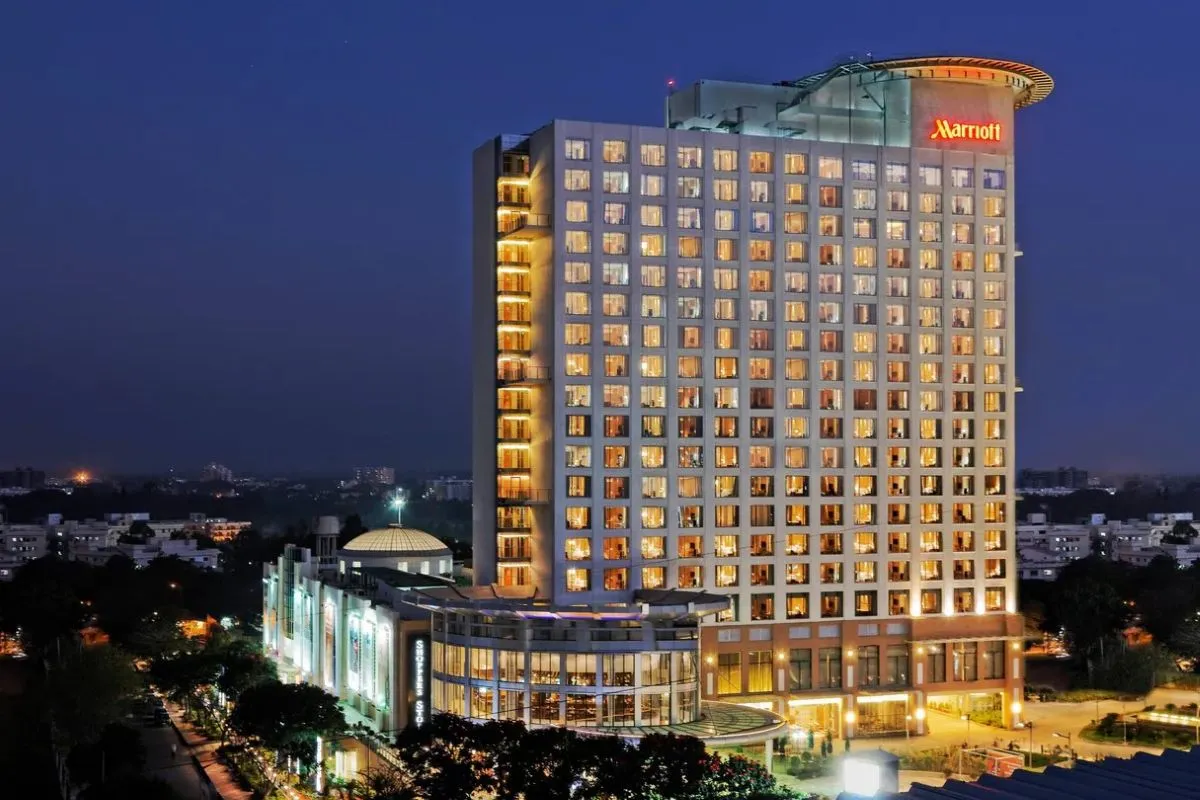
In Bengaluru’s eastern corridor, the launch of a new microbrewery in Whitefield is reflecting broader shifts in how urban neighbourhoods are evolving into mixed-use lifestyle hubs.
2 Pints Brewing Taproom Kitchen has opened its doors in an area traditionally known for its IT parks, underscoring the growing convergence of workspaces, residential clusters, and leisure destinations.Whitefield, once a peripheral suburb, has transformed into a major employment and residential zone, supported by expanding infrastructure such as the Namma Metro extension and improved road connectivity.This transformation has created demand not only for housing and office space but also for hospitality and entertainment venues that cater to a young, urban workforce.Industry experts observe that the rise of such establishments is closely linked to changing consumption patterns. As professionals seek shorter commutes and integrated lifestyles, neighbourhoods like Whitefield are witnessing increased investment in dining, retail, and social spaces. This trend aligns with the concept of the “15-minute city,” where essential services and leisure options are accessible within a limited radius, reducing travel dependency and enhancing quality of life.From a real estate perspective, the growth of hospitality infrastructure can act as a catalyst for property value appreciation.
Areas with vibrant social ecosystems tend to attract both residents and investors, reinforcing demand for premium housing and commercial developments. However, this also raises concerns about affordability and the potential exclusion of lower-income groups as neighbourhoods upscale.Urban planners highlight the importance of balancing such growth with sustainability considerations.Increased footfall and commercial activity can strain local resources, including water, waste management systems, and traffic networks. Integrating environmentally responsible practices—such as efficient waste disposal, energy use, and public transport access—becomes critical as hospitality clusters expand.The emergence of microbreweries and similar venues also signals Bengaluru’s evolving cultural economy, where experiential dining and local entrepreneurship contribute to urban vibrancy. At the same time, regulatory frameworks around zoning, noise, and environmental compliance will play a key role in ensuring that such developments coexist harmoniously with residential communities.
As Whitefield continues to mature, the interplay between infrastructure, real estate, and lifestyle offerings will shape its trajectory.The latest opening highlights how Bengaluru’s growth is no longer confined to business districts but is increasingly defined by integrated, people-centric urban spaces.Ensuring that this evolution remains inclusive and environmentally resilient will be central to sustaining the city’s long-term urban balance
Also Read:Bengaluru IT hub faces rising cost pressures
