


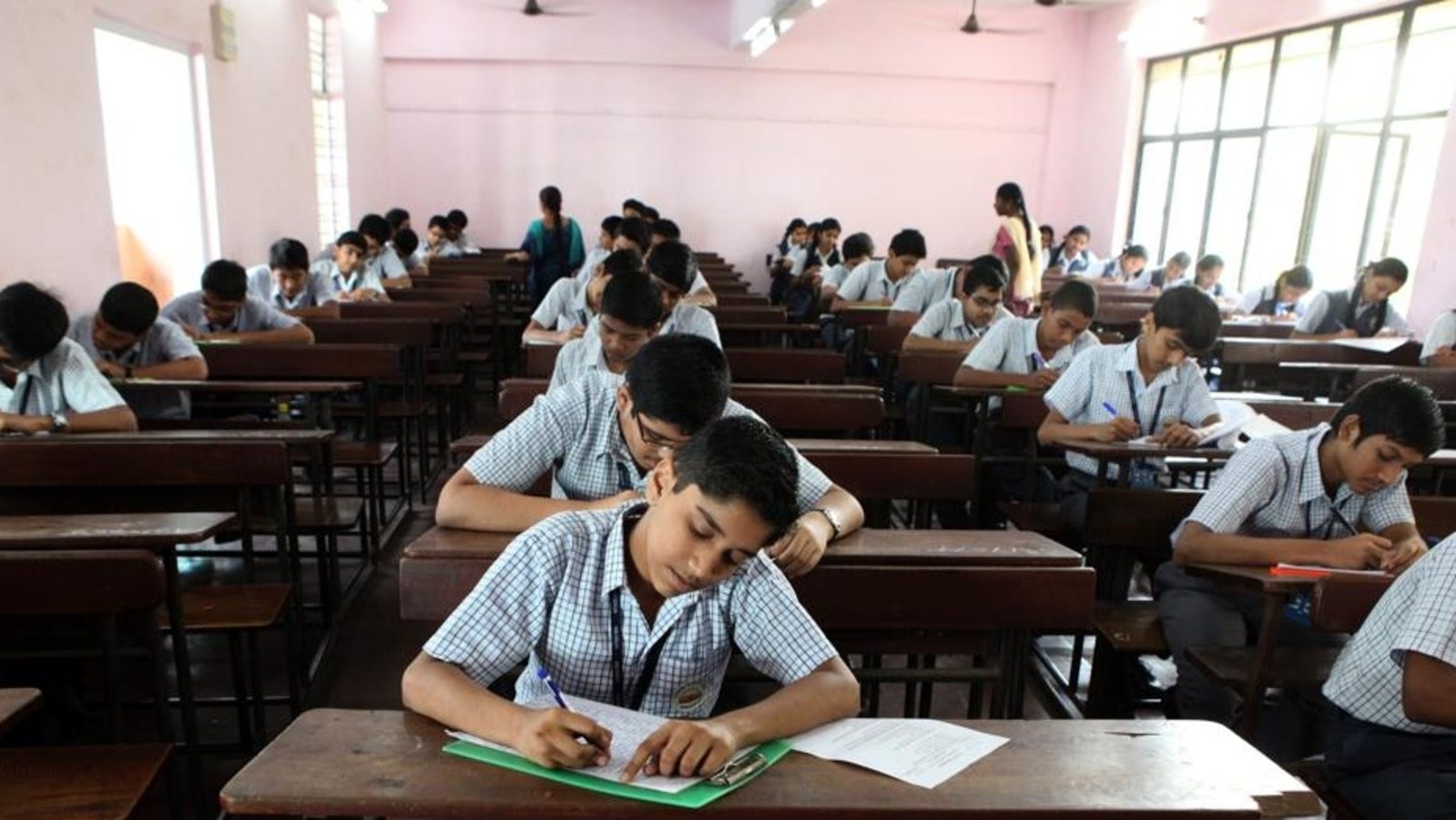
In Bengaluru, strong academic outcomes from a group of city schools in recent CBSE examinations have drawn attention to the evolving role of private education networks in shaping urban learning ecosystems.
While the results reflect high performance levels, they also underscore deeper structural questions around access, infrastructure, and equity in rapidly growing metropolitan regions.Several institutions associated with a national education initiative reported consistently high scores, reinforcing their reputation for academic rigour and student support systems. Education experts note that such outcomes are often linked to well-resourced campuses, trained faculty, and structured learning environments—advantages that are not uniformly available across the city’s schooling landscape.The trend highlights a widening gap between premium private institutions and under-resourced public schools. As Bengaluru expands, disparities in access to quality education are becoming more pronounced, particularly in peripheral areas where infrastructure development has not kept pace with population growth. Urban planners argue that education must be treated as core civic infrastructure, on par with transport and housing, to ensure balanced city development.
The growing reliance on private schooling also has economic implications for households.Rising fees and associated costs place pressure on middle-income families, influencing residential choices and contributing to demand for housing near reputed institutions. This, in turn, affects real estate patterns, with certain neighbourhoods witnessing price premiums due to proximity to established schools.From a sustainability perspective, the concentration of high-performing institutions in specific zones can lead to increased daily commuting, adding to traffic congestion and environmental stress.Experts suggest that decentralising quality education facilities and integrating them into emerging residential clusters could reduce travel demand and support more efficient urban planning.The role of digital learning and hybrid education models is also gaining prominence, particularly in addressing capacity constraints. However, access to technology remains uneven, further reinforcing existing inequalities. Policymakers are increasingly being urged to bridge this digital divide while strengthening public education systems.As Bengaluru positions itself as a knowledge-driven economy, the quality and accessibility of education will play a decisive role in shaping its long-term competitiveness.
The recent examination results highlight both the strengths of its private education sector and the urgent need for more inclusive, city-wide investment in schooling infrastructure.Ensuring that academic excellence is not limited to a few institutions but becomes a shared urban asset will be critical for building an equitable and resilient education ecosystem in the years ahead.
Also Read:Bengaluru Whitefield sees hospitality growth
