


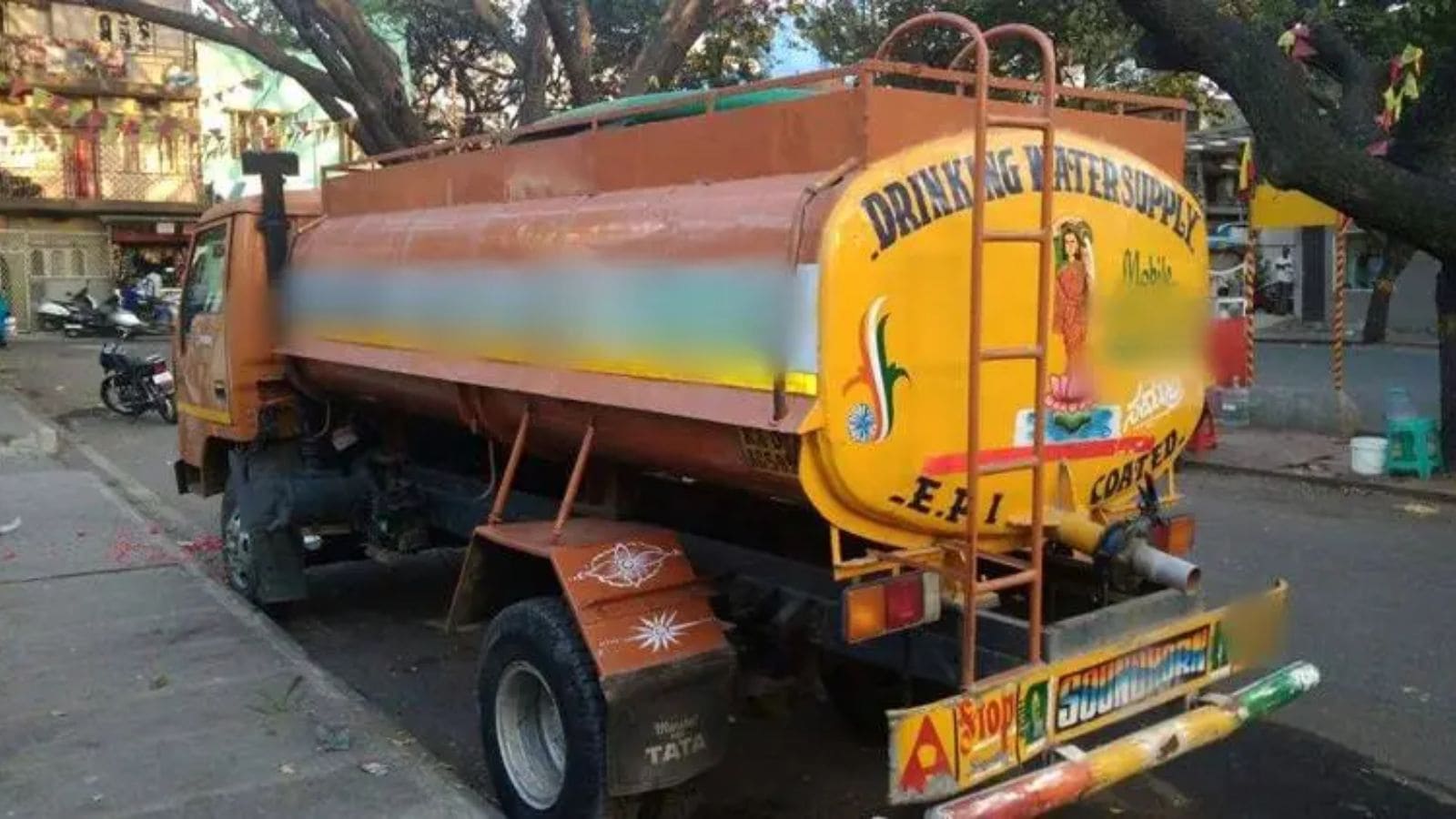
Bengaluru’s worsening water scarcity is triggering a sharp rise in dependence on private water tankers, reshaping the city’s urban water economy and exposing deep structural gaps in its supply systems. As groundwater levels dip and reservoirs face pressure, households and businesses across several neighbourhoods are increasingly turning to tanker deliveries to meet daily needs.
The surge in demand has led to longer waiting times and rising costs, particularly in areas located on the city’s periphery or at higher elevations where piped supply remains inconsistent. For many residents, tanker water has shifted from being a supplementary source to a primary lifeline, underscoring the fragility of existing infrastructure in a rapidly expanding metropolis.Urban planners highlight that Bengaluru water crisis is closely tied to unregulated urban growth, shrinking water bodies, and over-extraction of groundwater. The city’s historic network of lakes, once integral to its water management system, has been significantly reduced or disconnected due to development pressures. This has limited natural recharge capacity, intensifying dependence on external and privately managed sources.The growing prominence of the tanker economy also raises concerns around equity and sustainability. While higher-income households can absorb increased costs, lower-income communities often struggle to afford regular deliveries, widening disparities in access to a basic resource.
Additionally, the largely informal nature of tanker operations makes regulation and quality control challenging, posing potential health risks.From an environmental perspective, the reliance on tanker transport contributes to higher carbon emissions and traffic congestion, particularly as vehicles travel long distances to source water. Experts argue that this model is neither efficient nor sustainable in the long term, especially for a city already grappling with mobility and pollution challenges.Addressing the Bengaluru water crisis will require a multi-layered approach.Urban policy specialists point to the need for restoring and protecting water bodies, enforcing rainwater harvesting, and investing in decentralised water management systems. Strengthening wastewater recycling and reuse could also reduce pressure on freshwater sources, creating a more circular urban water system.There is also a growing call for better governance of the tanker sector, including transparent pricing, route optimisation, and quality monitoring. Integrating these services into a broader urban water framework could improve reliability while reducing inefficiencies.
As tanker demand continues to climb, the situation reflects a broader challenge facing Indian cities: aligning rapid urbanisation with sustainable resource management. For Bengaluru, the path forward will depend on whether short-term coping mechanisms evolve into long-term resilience strategies that ensure equitable and secure water access for all residents.
Also Read:Kolkata Kunming Flights Resume Boost Regional Connectivity
