


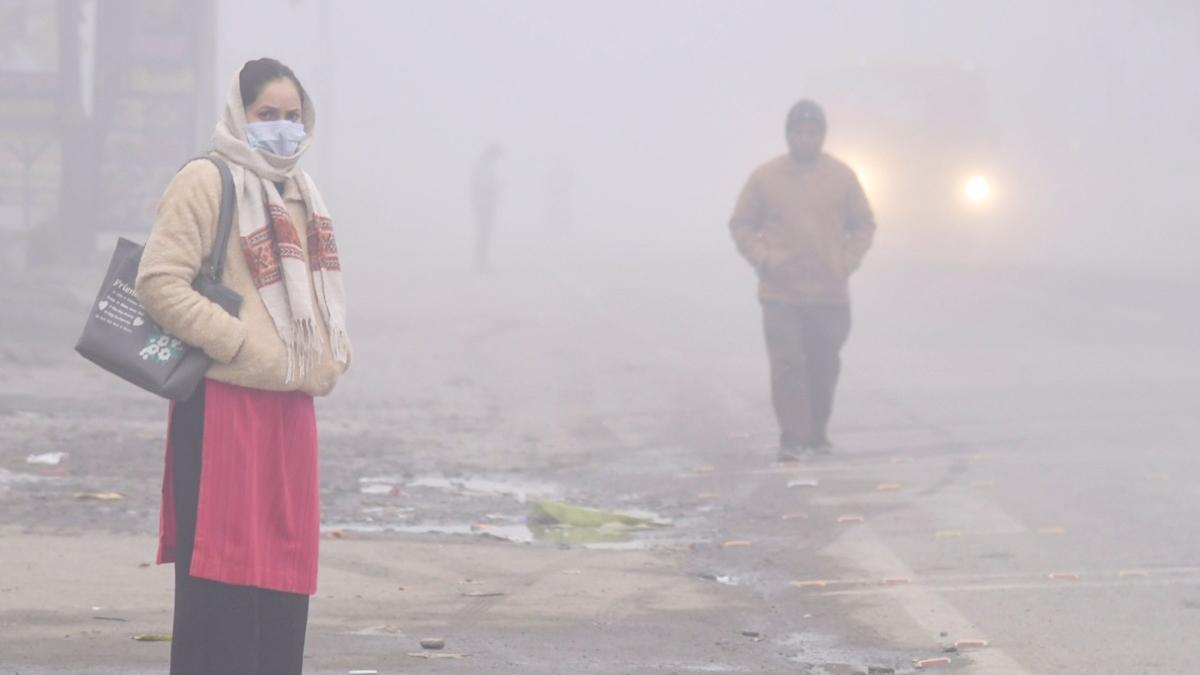
Bengaluru has recorded temperatures crossing the 36°C mark, signalling intensifying heat conditions in a city once known for its moderate climate.
The rise in Bengaluru temperature levels reflects a broader pattern of warming across urban India, raising concerns about climate resilience, infrastructure readiness, and the long-term liveability of rapidly expanding metropolitan regions.The increase in Bengaluru temperature is being attributed to a combination of seasonal heat, reduced green cover, and the urban heat island effect, where dense built environments trap heat and limit natural cooling. As the city continues to expand, the replacement of open spaces with concrete infrastructure has amplified temperature retention, making heatwaves more pronounced and prolonged.For residents, the impact is immediate and tangible. Higher daytime temperatures are affecting daily routines, increasing energy consumption for cooling, and placing additional stress on water and power supply systems. Vulnerable populations, including outdoor workers and those in informal housing, are particularly exposed to heat-related risks, highlighting the social dimensions of climate change in urban settings.Urban planners note that the rise in Bengaluru temperature underscores the need for integrating climate-responsive design into city development. Strategies such as increasing tree cover, preserving water bodies, and promoting reflective building materials can help mitigate heat absorption.
Additionally, enhancing ventilation through better urban design can reduce the intensity of heat islands.The economic implications are also significant. Increased cooling demand is driving up electricity consumption, which can strain power infrastructure and lead to higher costs for households and businesses. Sectors such as construction and outdoor services may face productivity challenges as extreme heat conditions limit working hours and increase health risks.Experts emphasise that addressing rising temperatures requires a coordinated approach that combines policy, planning, and community participation. Strengthening early warning systems, expanding shaded public spaces, and implementing heat action plans are increasingly seen as essential components of urban resilience strategies.The situation also highlights the importance of aligning urban growth with environmental sustainability. As cities like Bengaluru continue to attract population and investment, ensuring that development does not come at the cost of ecological balance will be critical. Integrating green infrastructure and climate-sensitive planning can help cities adapt to changing conditions while maintaining quality of life.
The crossing of the 36°C threshold in Bengaluru serves as a reminder that climate challenges are no longer distant concerns but immediate urban realities. The focus now shifts to how effectively the city can respond, adapting its infrastructure and policies to ensure resilience in the face of rising temperatures and evolving environmental pressures.
Also Read:Bengaluru CET Best Of Two Rule Changes Admissions
