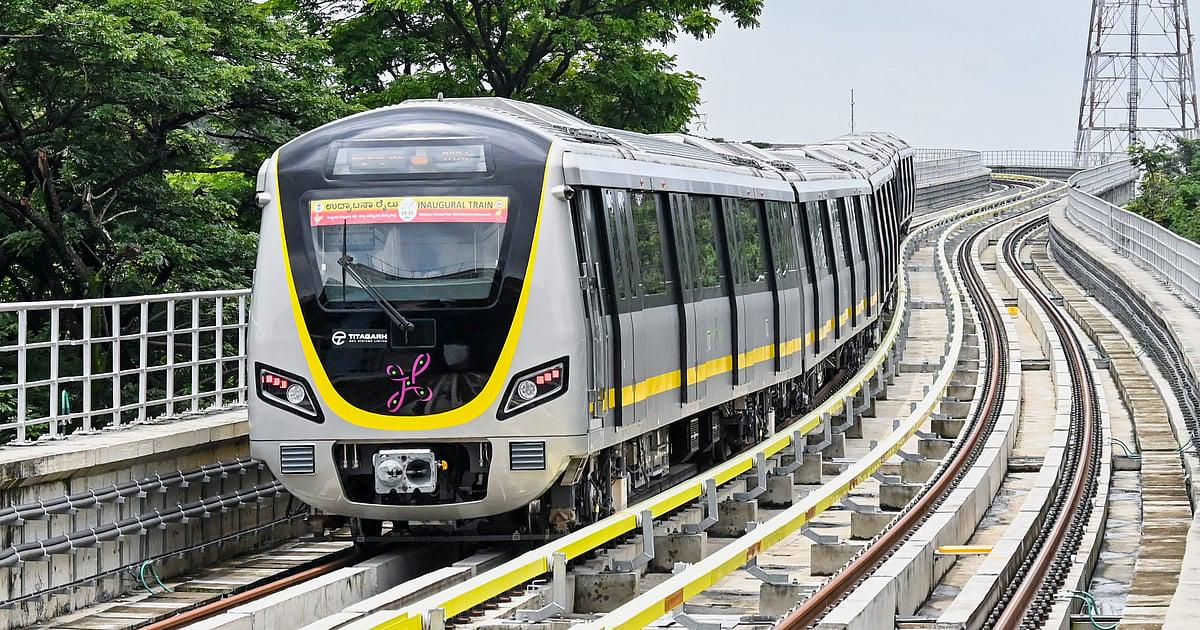
Bengaluru Metro Expansion Advances Towards Whitefield
Bengaluru’s Metro expansion towards Whitefield is moving ahead with a new construction contract, marking progress on a corridor intended to strengthen connectivity across the city’s rapidly developing eastern growth belt. The project is significant for a region where residential expansion, technology employment and rising commuter demand have placed sustained pressure on roads.
The Bengaluru Metro Whitefield extension is expected to improve mass-transit access for communities and employment clusters beyond the existing Metro network. Whitefield has emerged as one of Bengaluru’s major economic centres, but road congestion and long travel distances remain persistent challenges for people commuting between eastern suburbs and other parts of the metropolitan area. The latest contracting milestone indicates that the project is moving from planning towards execution.Construction contracts are an important stage in large transit projects because they establish the framework for civil works, timelines and delivery responsibilities. However, the eventual impact on commuters will depend on timely construction and integration with existing services. Urban transport planners say expanding rail capacity alone cannot resolve congestion unless stations are connected effectively to surrounding neighbourhoods. Safe footpaths, crossings, bus links, cycling access and organised feeder services can significantly increase the number of residents able to reach stations without relying on private vehicles. The Bengaluru Metro Whitefield extension also has implications for land use. Improved rail connectivity can increase development pressure around stations, particularly in areas already experiencing rapid residential and commercial growth. Without careful planning, new construction could add traffic and strain water, drainage and public-space infrastructure.
A transit-led development approach can instead concentrate suitable growth around well-connected stations while protecting environmentally sensitive areas and ensuring adequate civic infrastructure. This can help reduce the need for long car journeys and make the Metro more useful for everyday trips. The corridor could also support Bengaluru’s wider efforts to diversify its transport system. Metro services can handle large passenger volumes efficiently, but they work best as part of a network that includes buses and walking routes. Better integration between modes will be especially important for commuters travelling from areas beyond direct station catchments. For businesses and workers in the eastern corridor, more reliable public transport could reduce dependence on private vehicles and make commuting costs and travel times more predictable. For the city, shifting a larger share of trips to mass transit could help contain congestion and transport-related emissions as the region continues to grow. The next phase will require close attention to construction timelines, land access, utility shifting and station-area connectivity. Delivering the infrastructure on schedule will be important, but so will ensuring that surrounding streets are ready when trains eventually begin operating.
For Bengaluru, the Whitefield expansion is therefore more than another Metro extension. Its long-term value will depend on whether rail investment is matched by people-friendly streets and coordinated urban development, allowing the city’s eastern growth corridor to expand without deepening its dependence on congested roads.