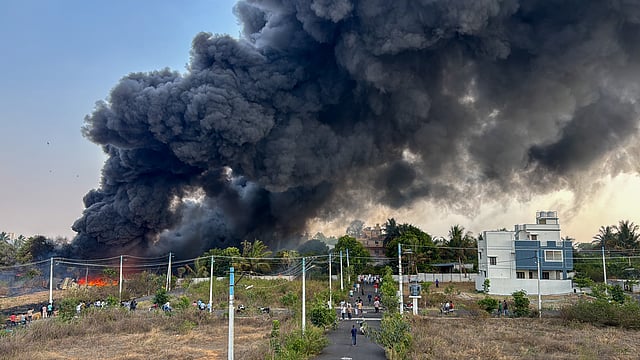
Bengaluru Garbage Burning Ban Targets Toxic Pollution
Bengaluru is stepping up action against the burning of garbage in public spaces, with authorities moving to enforce a stricter prohibition on the practice across the city. The measure targets a common source of localised air pollution, particularly from the open burning of mixed waste, and comes as the city seeks to improve waste management and reduce avoidable emissions from neighbourhoods, roadsides and vacant plots.
Open waste burning can release fine particulate matter and other pollutants, with the risk increasing when plastics, rubber, synthetic materials and mixed household waste are involved. Such burning can create concentrated pollution close to homes, pedestrian areas and workplaces, making enforcement an important part of Bengaluru’s wider air-quality strategy. The Bengaluru garbage burning ban is particularly relevant because open burning is often linked to gaps in waste collection and disposal. When residents, commercial establishments or informal waste handlers burn accumulated material, it can indicate that waste is not reaching an authorised collection or processing route. Enforcement can therefore address the immediate pollution source, but it cannot substitute for reliable waste services. The city already faces the challenge of managing large volumes of municipal solid waste every day. Bengaluru’s expanding population and consumption patterns generate substantial quantities of wet waste, dry recyclables, construction debris and other materials. Keeping these streams separated at source is essential if the city wants to reduce the amount of residual waste that is difficult to process. The ban also has a public-health dimension.
Smoke from burning waste can affect people living or working nearby, while repeated exposure to particulate pollution can worsen respiratory irritation and reduce local air quality. Children, older residents and people who spend considerable time outdoors can be particularly affected by pollution hotspots. However, enforcement needs to be accompanied by practical alternatives. Residents must have dependable door-to-door collection, accessible facilities for dry and bulky waste, and clear information about how different categories of waste should be disposed of. Without those services, punitive action alone could simply move waste-burning activity to less visible locations. The Bengaluru garbage burning ban could also support the city’s climate goals.Preventing uncontrolled combustion of plastics and other waste reduces avoidable emissions while encouraging greater recovery of recyclable materials. Better segregation can also improve the economics of recycling and reduce the volume sent to landfills or other disposal facilities. For Bengaluru, the immediate priority should be consistent enforcement across neighbourhoods, supported by quick-response complaint systems and transparent penalties. At the same time, civic agencies need to close gaps in collection and processing capacity.
A successful ban should ultimately mean less waste being generated, better material recovery and no need for residents or waste handlers to resort to burning. That would make the policy not just an enforcement measure, but part of a cleaner and more resilient urban waste system.