Bengaluru Footpaths Reclaimed As Civic Drive Expands
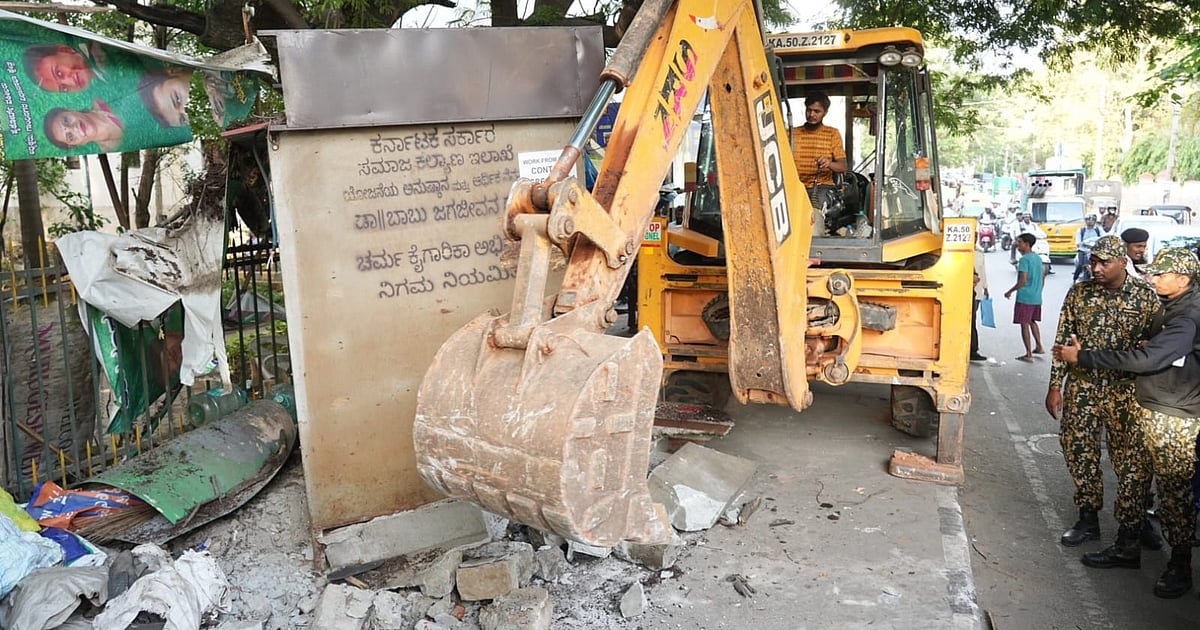
Bengaluru has reclaimed about 1,225 km of footpaths from encroachments over the past two months, according to the Greater Bengaluru Authority, marking one of the city’s largest recent efforts to restore pedestrian space. The exercise brings renewed attention to how Bengaluru allocates limited road space and whether the reclaimed areas can remain accessible, safe and usable for everyday walking.
The clearance drive covered roads and footpaths across the city, with civic teams targeting structures and activities occupying pedestrian areas. The action is part of a wider effort to restore public spaces and improve movement for people who depend on walking for short trips and access to public transport.The scale of the reported clearance is significant because footpaths are among Bengaluru’s most unevenly distributed transport assets. While some major corridors have relatively developed pedestrian infrastructure, many neighbourhood streets have broken surfaces, obstructions, missing links or inadequate crossings. Clearing an encroachment therefore does not automatically create a functional footpath; the underlying pedestrian infrastructure must also be repaired and connected. For residents, continuous walking routes can have a direct impact on daily mobility. People walking to bus stops, Metro stations, schools, workplaces and local markets often have little alternative when pedestrian space is blocked. Such conditions can push pedestrians onto carriageways, increasing exposure to moving traffic.
The economic dimension is also important. A city that makes short journeys easier on foot can reduce dependence on two-wheelers and cars while improving access to public transport. Better pedestrian infrastructure can also strengthen local commercial streets by making neighbourhood destinations easier to reach without a vehicle. The clearance programme will need sustained enforcement to prevent the reclaimed space from being occupied again. Urban planners have long pointed to the importance of designing footpaths as continuous networks rather than isolated stretches. Standardised widths, accessible ramps, drainage, street lighting and safe crossings can determine whether a reclaimed corridor genuinely works for pedestrians. The programme also raises questions about how public space is managed. Informal vendors and small businesses often depend on roadside locations for their livelihoods, meaning enforcement needs to distinguish between restoring pedestrian access and creating unnecessary disruption to legitimate economic activity. Designated vending areas and clearly defined pedestrian zones can help address both needs. The real test for Bengaluru footpaths will therefore come after the clearance teams leave.
Maintaining unobstructed routes, repairing damaged surfaces and connecting isolated stretches will determine whether the reported 1,225 km becomes lasting public infrastructure rather than a temporary improvement. For a city seeking more sustainable mobility, Bengaluru footpaths are not simply roadside amenities. They form the first and last link in public transport journeys and a basic part of equitable urban access.